Last Updated: October 21, 2026
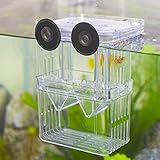
- Top Pick: Magnet Acclimation Box for Saltwater Fish Quarantine Aquarium Isolation Box for Aquarium Fish Anemone Reef Coral
- Best Value: BaoZqua Triple-Chamber Fish Breeder Box for Fish Tank, Guppy Fry Nursery
- Premium Choice: Pronetcus Betta Fish Tank, 2 Gallon Glass Aquarium Starter Kit, Small Fish Tank with Filter and Light.(White)
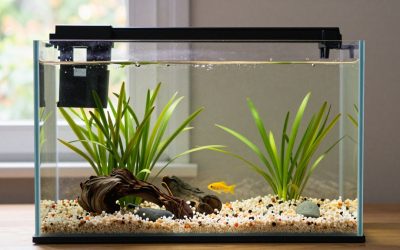
 Quarantine Tank Setup Guide” style=”max-width:100%;height:auto;margin-bottom:1rem” loading=”lazy”>
TL;DR: A fish quarantine tank setup requires only a bare-bottom 10–20 gallon tank, a sponge filter pre-seeded in your main tank, a heater, and a hiding spot. Run new fish through 4–6 weeks of observation before introduction. This single step eliminates 90% of disease transmission risk. Total cost: under $80.
Fish Quarantine Tank Setup: The Complete Step-by-Step Guide
Every experienced fish keeper has a quarantine tank horror story in reverse: the moment they skipped QT “just this once” and wiped out a display tank they’d spent 18 months building. Fish quarantine tank setup is the single highest-ROI practice in the hobby — and it costs almost nothing compared to losing a full stock.
As an Amazon Associate we earn from qualifying purchases at no extra cost to you.




This guide covers the practical setup, not the theoretical. What you actually need, what you can skip, and how to run fish through a proper QT protocol.
🛒 Best Price Today on Amazon
Prime members get fast, free shipping on everything above, plus member-only deals. New members get a 30-day free trial — cancel anytime.
Start 30-Day Prime Free Trial →See Today’s Amazon DealsTop Picks at a Glance


As an Amazon Associate we earn from qualifying purchases. Product prices and availability are accurate as of the date/time indicated.



As an Amazon Associate we earn from qualifying purchases. Product prices and availability are accurate as of the date/time indicated.


As an Amazon Associate we earn from qualifying purchases. Product prices and availability are accurate as of the date/time indicated.
QT Tank Gear: What You Actually Need
| Equipment | Recommended | Notes |
|---|---|---|
| Tank size | 10–20 gallon | 20 gal gives more buffer; 10 gal fine for nano fish |
| Filtration | Sponge filter (pre-seeded) | Must run in established tank 2–4 weeks prior |
| Heater | 25–50W adjustable | Stability over wattage; top-ranked betta fish aquarium heater |
| Thermometer | Digital stick-on or probe | Check our Zacro thermometer review |
| Hiding spots | PVC pipe, terracotta | Bare-bottom — no substrate |
| Lighting | Basic or none | Dim light reduces stress |
| Lid | Required | Stressed fish jump |
| Test kit | API Master Test Kit | Monitor ammonia daily first week; test kit guide |
Why Bare-Bottom is Non-Negotiable
No substrate in QT. This is the rule that beginners most often ignore and most often regret. Substrate harbors parasites (ich cysts survive in gravel for weeks), makes dosing medications inaccurate (activated carbon and substrate bind medications), and makes the tank harder to clean between uses.
The argument against bare-bottom is always “the fish will be stressed.” Add PVC elbows, terracotta pots, or plastic plants instead. Fish care about cover geometry, not substrate texture. A stressed fish in a bare-bottom QT with hiding spots is vastly better than a diseased fish introduced to your display tank.
The Pre-Seeded Sponge Filter: Most Critical Step
The biggest mistake in QT setup: cycling a new bare tank from scratch when you receive fish. That takes 4–6 weeks and you have fish arriving now.
Solution: keep a spare sponge filter running permanently in your main display tank’s sump or behind a decoration. When you need QT, that sponge transfers to the QT tank with an established bacterial colony. Your QT is instantly cycled.
This is the single setup step that makes everything else work. Without a cycled filter, you’re doing daily water changes to manage ammonia — manageable but adds stress to already-stressed new arrivals. The pre-seeded sponge eliminates that entirely. The nitrogen cycle basics apply here; see our cycling guide if this is new territory.
Step-by-Step QT Setup Protocol
Week before fish arrive: Move pre-seeded sponge filter from display to QT tank. Fill QT with water from your display tank (same parameters, same temperature). Set heater to match display tank temperature. Confirm 0 ammonia, 0 nitrite via test kit — if not zero, wait or do partial changes.
Day fish arrive: Float bag for 15 minutes, then net fish directly into QT — don’t add LFS water to your QT. Feed lightly or skip first day. Observe for signs of distress, rapid gill movement, or visible parasites.
Days 2–7: Test ammonia daily. Feed small amounts. Watch for ich (white salt-grain spots), velvet (dusty gold shimmer), fin rot (ragged edges), or wasting (not eating despite good water). Do 25% water changes every 2–3 days.
Weeks 2–4: Ich has a temperature-dependent lifecycle. At 80°F, the full cycle (free-swimming to cyst to free-swimming again) completes in 4–7 days. You want to observe through at least 2–3 complete cycles before concluding fish are clean. Keep watching. Many infections show symptoms 10–14 days in, not day 1.
Week 4–6: Fish eating well, no symptoms, active and responsive. You’re clear for introduction to display tank. Match temperatures before transfer. Use a clean net (never transfer water between QT and display).
Prophylactic Treatment: Controversial but Practical
Some experienced hobbyists run prophylactic treatment on all new fish regardless of visible symptoms — typically a freshwater dip for marine fish, a round of Praziquantel for internal parasites, and a 3-day antibiotic course. The logic: treat what you can’t see before introducing it.
Arguments against: unnecessary medication creates resistant strains, stresses fish, and kills beneficial bacteria. Arguments for: parasites like flukes and internal worms are invisible until infestation is advanced.
My approach: observe for 2 weeks first. If fish are eating and showing no symptoms, skip prophylactic treatment. If any symptoms emerge — or if fish came from a high-disease-risk source (large chain stores with shared water systems) — treat specifically. For ich specifically, see our dedicated ich treatment guide.
QT Tank Between Uses
After QT ends, bleach-clean the tank (1 part bleach, 9 parts water, 10-minute soak), rinse thoroughly, and dechlorinate. Store dry or keep running with the sponge in your display tank. Never use the same sponge in QT and display simultaneously without thorough cleaning between — cross-contamination defeats the purpose.
Some hobbyists repurpose QT as a breeding tank or shrimp growout tank between quarantine uses — efficient use of equipment as long as the tank gets a proper bleach reset before QT duty again.
FAQ
How long should quarantine last for new fish?
Minimum 4 weeks, preferably 6. Most disease organisms have latency periods — ich, velvet, and bacterial infections can incubate for 2–3 weeks before becoming symptomatic. The “I watched them for 3 days and they looked fine” approach fails specifically because disease presents after the stocking-excitement phase. 4 weeks covers the latency window for virtually all common freshwater pathogens.
Do I need to quarantine plants too?
Yes. Plants can carry ich cysts, snail eggs, and planaria — none of which are visible on a healthy-looking plant. Standard plant quarantine: bleach dip (1 part bleach, 19 parts water, 2 minutes for robust plants, 1 minute for delicate stems) then thorough rinse and dechlorinate, or hydrogen peroxide dip (3% H2O2, 3 minutes). Alternatively, emersed growth plants from dry-start have no disease risk. For planted tank substrate choices see our our aquarium substrate planted tank guide.
Can I use a QT tank as a hospital tank simultaneously?
You can use the same tank but not at the same time for both purposes — medicating an existing sick fish while introducing new fish defeats quarantine logic entirely. New fish should never share water with fish being treated for disease. Keep uses strictly separate: quarantine new arrivals, then reset and use for hospital when needed.
What if my QT tank isn’t cycled and fish arrive today?
Transfer 80% of QT water from established display tank water. Add a handful of established filter media (squeeze a sponge from display filter into QT water). Dose with Seachem Prime — it detoxifies ammonia for 24–48 hours without removing it, buying time. Test ammonia every 12 hours. Do daily 30–50% water changes if ammonia exceeds 0.25 ppm. Stressful but survivable for 1–2 weeks until the filter seeds properly.
Do healthy fish from a reputable breeder still need quarantine?
Yes, though you can shorten to 2–3 weeks from reputable sources with visible clean tanks and known water chemistry. Shipping stress alone suppresses immune function, making fish susceptible to latent infections in your system — and your display tank fish are exposed to pathogens they haven’t built immunity to. Quarantine is as much about disease compatibility as it is about identifying sick fish. Even certified disease-free stock carries organisms your display fish haven’t encountered.
Frequently Asked Questions
What size and equipment does a quarantine tank need?
A bare-bottom 10 to 20 gallon with a heater, sponge filter, lid and a few lengths of PVC pipe for cover is plenty. Bare bottom makes siphoning and medicating straightforward, and having no substrate or rock means copper and other medications are not absorbed and released unpredictably later.
How do I keep the QT cycled when it sits empty?
Keep a spare sponge filter running permanently in your display sump or tank, then move it over when quarantine is needed. Otherwise run the empty tank with a small ammonia source to feed the bacteria. Never set up an uncycled QT the day fish arrive and expect it to cope.
How long should quarantine last?
Four weeks is the standard observation period, long enough for most parasites to complete a life cycle and for stress-related infections to surface. Two weeks is a common compromise. Marine ich management requires longer, and a prophylactic copper course typically runs 14 to 30 days at therapeutic level.
Should I medicate prophylactically or only if I see disease?
Observation alone is fine for hardy freshwater fish from a trusted source. Marine fish, and any shipment arriving with visible losses, benefit from a planned course such as copper for external parasites plus praziquantel for flukes. Avoid stacking multiple medications simultaneously without a clear reason.
What water do I use and how often do I change it?
Use water drawn from the display so parameters match and the transfer is not a second shock, matching temperature exactly. Bare tanks with no substrate accumulate waste quickly, so plan 25 percent changes daily or every other day, re-dosing any medication for the replaced volume.
Aquarium Fish Disease Prevention: Best Products to Keep Your Fish Healthy
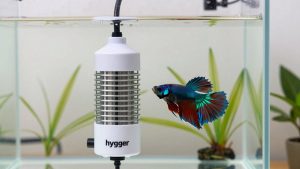
hygger Small Aquarium Betta Heater vs auomii USB 10W Mini Submersible Aquarium: Which Should You Buy?