Last Updated: October 9, 2026
- Top Picks at a Glance
- The Ich Lifecycle: Why Timing Matters
- Method 1: Heat Treatment (Recommended for Most Freshwater Fish)
- Method 2: Salt Treatment
- Method 3: Chemical Medication
- Treating the Whole System, Not Just Fish
- Post-Treatment: Prevention and Confirmation
- FAQ
- Related Guides
- Frequently Asked Questions
- Related Articles
- Related Guides
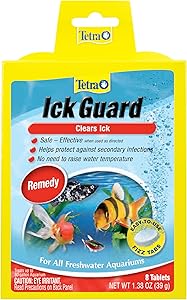
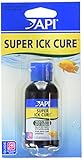
- Top Pick: API LIQUID SUPER ICK CURE Fish remedy, Freshwater and Saltwater Fish Medication 4 fl oz(Pack of 1), White
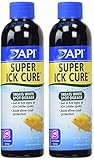
- Best Value: API Liquid Super ICK Cure Freshwater and Saltwater Fish Medication 16-Ounce Bottle
- Premium Choice: API LIQUID SUPER ICK CURE Freshwater and Saltwater Fish Medication Bottle, 1.7 oz (12A)
TL;DR: Ich (Ichthyophthirius multifiliis) is treatable in freshwater with heat + salt or copper-based medication. Raise temperature to 86°F for 10+ days and add 1–2 tbsp aquarium salt per 5 gallons to disrupt the parasite lifecycle. Only free-swimming theronts are vulnerable to treatment — cysts on fish and in substrate are not. Full treatment cycle: minimum 10–14 days at elevated temp. Remove carbon before medicating.
Ich Fish Disease Treatment Guide: How to Actually Clear an Infestation
Ich is the most common fish disease in the hobby and one of the most misunderstood. The white salt-grain spots aquarists see aren’t what you can treat — those are mature trophonts embedded in fish skin, protected by a cyst wall. The ich fish disease treatment window is narrow: you’re targeting free-swimming theronts in the water column between lifecycle stages. Understanding this biology is what separates successful treatment from the “I tried medications but the fish kept dying” experience.
As an Amazon Associate we earn from qualifying purchases at no extra cost to you.




🛒 Best Price Today on Amazon
Prime members get fast, free shipping on everything above, plus member-only deals. New members get a 30-day free trial — cancel anytime.
Start 30-Day Prime Free Trial →See Today’s Amazon DealsTop Picks at a Glance


As an Amazon Associate we earn from qualifying purchases. Product prices and availability are accurate as of the date/time indicated.


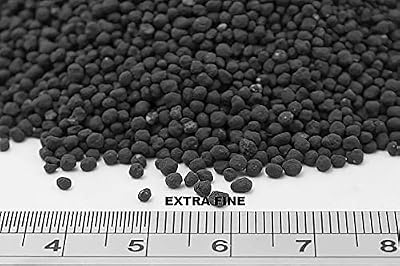

As an Amazon Associate we earn from qualifying purchases. Product prices and availability are accurate as of the date/time indicated.


As an Amazon Associate we earn from qualifying purchases. Product prices and availability are accurate as of the date/time indicated.
The Ich Lifecycle: Why Timing Matters
| Lifecycle Stage | Location | Duration (77°F) | Vulnerable to Treatment? |
|---|---|---|---|
| Trophont (feeding) | Embedded in fish skin | 5–7 days | No — protected by cyst |
| Protomont (exiting fish) | Fish surface, then substrate | Hours | Marginally (brief window) |
| Tomont (dividing cyst) | Substrate, decorations | 3–28 days (temp-dependent) | No — protected by cyst wall |
| Theront (free-swimming) | Water column | 24–48 hrs before finding host | YES — only vulnerable stage |
This lifecycle explains why treatments that work “kill the white spots” but the tank re-infects: the cysts in substrate are releasing new theronts for weeks. Effective treatment means maintaining treatment conditions long enough to intercept every generation of theronts as they hatch.
Method 1: Heat Treatment (Recommended for Most Freshwater Fish)
Temperature is the most reliable ich treatment for fish that tolerate heat. The parasite has a much narrower viable temperature range than most tropical fish.
Protocol: Raise temperature to 86°F (30°C) gradually — no faster than 2°F per hour to avoid osmotic stress on fish. Maintain 86°F for minimum 10 days. Increase surface agitation significantly as dissolved oxygen drops at high temperatures. Add an air pump or position powerheads at the surface.
How it works: Heat accelerates the parasite lifecycle dramatically. At 86°F, the tomont stage completes in 1–3 days instead of 7–14. This compresses all cysts into releasing theronts quickly, shortening the total exposure window. Simultaneously, theront survival drops sharply above 85°F — most die before finding a host.
Fish that cannot tolerate 86°F: Goldfish, white cloud mountain minnows, hillstream loaches, and other coldwater species. Don’t use heat treatment for these — use salt or medication instead.
Plants: Most aquarium plants tolerate 86°F for 10 days without significant damage. Some stem plants may melt at the tips. CO2 becomes more critical at elevated temp — see the Co2 Aquarium System Beginner Setup for managing CO2 during treatment.
Method 2: Salt Treatment
Aquarium salt (sodium chloride, non-iodized) disrupts theront osmotic balance. Effective concentration: 1–2 tablespoons per 5 gallons of tank water. Salt doesn’t evaporate — only add salt to replace water removed during water changes, not to top off evaporation.
Salt works synergistically with heat — combining 84°F with salt at 1 tbsp/5 gal is more effective than either alone. Duration: minimum 10–14 days at elevated salt levels.
Cautions: Salt kills or damages live plants, most invertebrates (shrimp, snails), and scaleless fish are sensitive (cory catfish, loaches, knife fish). For planted tanks or shrimp tanks, avoid salt — use heat alone or move affected fish to a bare quarantine tank for treatment. This is exactly the scenario described in our quarantine tank setup guide.
Method 3: Chemical Medication
Copper-based (Cupramine, CopperSafe): Most effective broad-spectrum parasite treatment. Toxic to invertebrates and plants — use only in bare hospital tanks. Maintain therapeutic copper level (0.15–0.20 ppm free copper) with a copper test kit; copper binds to organic material and drops below therapeutic levels if not monitored. Treatment: 14–21 days.
Formalin-based (Formalin 3, Quick Cure): Very effective against theronts; more fish-toxic than copper if overdosed. Follow dosing precisely. Good option when copper is contraindicated (scaleless fish tolerate formalin better than copper in many cases).
Methylene blue: Mild; appropriate for fry or very sensitive fish. Less effective than copper or formalin for established infestations.
Critical for all medications: remove activated carbon from filtration before treating. Carbon adsorbs medications within hours, rendering treatment ineffective. See the fluval 207 canister filter review for accessing and removing filter media without disturbing beneficial bacteria.
Treating the Whole System, Not Just Fish
The most common treatment failure: medicating the display tank while tomont cysts hide in substrate and decorations. Options:
Treat in place: Treat the full display tank with heat (plants tolerate it). Every surface — substrate, rocks, decorations — gets exposed. Duration must cover the temperature-accelerated full lifecycle plus margin: 10–14 days at 86°F.
Tank fallow: Remove all fish to a hospital tank. Treat hospital tank. Leave display tank fishless at 86°F for 4 weeks — parasites complete their lifecycle with no hosts and die. Returns the display to ich-free status. Recommended for reef tanks and planted tanks where chemical treatment is impossible. Integrate this with standard nitrogen cycle monitoring — a fishless tank can still have ammonia issues from decaying organics.
Vacuum the substrate thoroughly before starting treatment and during treatment — physically removing tomont cysts from substrate accelerates clearance. The gravel siphon guide covers technique for thorough substrate extraction.
Post-Treatment: Prevention and Confirmation
Treatment ends when: 10–14 days at therapeutic conditions have elapsed AND no visible spots for at least 5 days. Spots disappearing in 2 days does not mean treatment is complete — cysts are still releasing theronts. Premature temperature reduction allows surviving parasites to repopulate.
Prevention long-term: quarantine all new fish (see quarantine setup guide), quarantine new plants, and maintain stable water quality — ich outbreaks in established tanks usually follow temperature spikes or stress events. Monitor tank temperature with a reliable thermometer; temperature instability is the #1 trigger for ich in otherwise healthy systems. Our Zacro thermometer review covers the low-cost options that alert to temperature swings before they become disease events.
FAQ
Why do my fish still have spots after 3 days of treatment?
Because the spots are trophonts embedded in skin — no treatment reaches them while they’re in that stage. The spots on fish will complete their lifecycle, exit the fish, encyst in the substrate, and eventually release theronts. Your treatment kills theronts during that free-swimming window. You won’t see immediate spot reduction — spots resolve as mature trophonts exit the fish naturally (over 5–7 days at 77°F, 2–4 days at 86°F). Continue treatment; premature stoppage is the primary cause of re-infestation.
Can ich survive in a tank without fish?
Yes, but briefly. Theronts that fail to find a host die within 24–48 hours. Tomont cysts complete their lifecycle and release theronts regardless of whether fish are present. Without a host, those theronts die. A fishless tank at 86°F accelerates all cyst hatching and theront death — 4 weeks fishless at 86°F practically guarantees parasite clearance. The tank is not “sterilized” of ich permanently; re-introduction comes from new fish or plants, not from surviving parasites.
Does ich affect marine (saltwater) fish differently?
Marine ich is a different organism — Cryptocaryon irritans — with a similar lifecycle but different treatment parameters. Freshwater dips stress the parasite osmotically; copper medication is standard in marine. Heat treatment to 82°F helps accelerate the lifecycle but doesn’t achieve the parasite mortality that 86°F does in freshwater ich. Marine ich is generally harder to clear from a reef system because copper, the most effective treatment, cannot be used with invertebrates and corals — tank fallow (6–8 weeks for marine) is often the only option for display tanks.
Is ich contagious to humans or other pets?
No. Ichthyophthirius multifiliis is a fish-specific parasite with no zoonotic transmission — it cannot infect humans, mammals, or birds. Standard hygiene after handling tank water is sufficient (wash hands to avoid introducing bacteria to your own mucous membranes), but ich specifically poses no cross-species health risk. The parasite requires cold-blooded aquatic hosts to complete its lifecycle.
Can ich develop resistance to medications?
Resistance to copper and formalin is not documented in ich — unlike bacterial pathogens where antibiotic resistance is well-established. Treatment failures are almost always due to insufficient treatment duration, reinfection from substrate cysts, or inadequate medication concentration rather than parasite resistance. Follow dosing protocols precisely, test copper levels if using copper-based medications, and complete the full treatment window. Incomplete treatment cycles that expose parasites to sub-lethal doses are bad practice but don’t produce resistance in this organism.
Related Guides
- Aquarium Glass vs Acrylic
- Why Trust Our Picks
- Aquarium Maintenance Schedule: Daily, Weekly, and Monthly Checklist
- Freshwater Shrimp Tank Setup: Best Products 2026
Frequently Asked Questions
How do I recognise ich?
Look for white spots the size of a salt grain on fins and body, plus flashing against decor, clamped fins and rapid gill movement. Gill-only infections show as laboured breathing before any spots appear. Do not confuse it with velvet, which is a finer gold dust, or with breeding tubercles on male goldfish.
Can I cure it by raising the temperature?
Heating to about 86 F speeds the parasite life cycle so it reaches the vulnerable free-swimming stage faster, but heat alone rarely cures it and stresses fish while reducing dissolved oxygen. Combine gradual heating with a medication or salt, add an airstone, and never heat a tank holding sensitive species.
Does aquarium salt work?
Salt at one to three teaspoons per gallon, raised gradually, is effective against freshwater ich and very cheap. However scaleless fish such as corydoras, loaches and many catfish, along with plants and shrimp, tolerate it poorly. Treat in a bare hospital tank if your display holds sensitive livestock.
Why must I keep treating after the spots disappear?
The visible cyst stage leaves the fish and drops to the substrate to reproduce, and medications only kill the free-swimming stage. Spots vanishing means the parasite has moved, not died. Continue treatment for at least a week after the last spot, and longer at lower temperatures.
Is marine ich the same disease?
No. Cryptocaryon irritans in saltwater is a different organism with a longer life cycle, and freshwater treatments do not transfer. Marine ich needs therapeutic copper, tank transfer or hyposalinity carried out in quarantine, plus leaving the display completely fishless for around eleven weeks to break the cycle.
Ready to decide? Our #1 pick for 2026 is the Trophont (feeding).
Live price & availability on Amazon.
Related Reviews & Guides


Why Trust Our Picks
Aquarium Maintenance Schedule: Daily, Weekly, and Monthly Checklist