Last Updated: October 4, 2026
A well-chosen fish tank rewards you with years of peaceful daily moments, biological education, and a striking living centerpiece. A poorly chosen one becomes an algae-choked maintenance nightmare that gets emptied within months. The difference comes down to matching tank size, filtration, lighting, and stocking to your space, budget, and the species you want to keep. This guide walks you through every decision involved in setting up a fish tank that actually thrives in 2026.
As an Amazon Associate we earn from qualifying purchases at no extra cost to you.


🛒 Best Price Today on Amazon
Prime members get fast, free shipping on everything above, plus member-only deals. New members get a 30-day free trial — cancel anytime.
Choosing the Right Tank Size
Bigger tanks are easier to keep stable than small ones — counterintuitive but true. More water volume means slower temperature swings, less concentrated waste, and more forgiveness when you make mistakes. The “1 inch of fish per gallon” rule oversimplifies but provides a starting point.
Common Tank Sizes and Their Best Uses
- 5-10 gallons: Suitable only for a single betta or a tiny shrimp colony. Avoid for community fish.
- 20-29 gallons: Entry community tank size. Small schooling fish (neon tetras, harlequin rasboras) and a centerpiece species like a honey gourami.
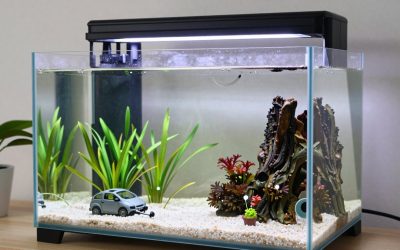
- 40-55 gallons: The sweet spot for most beginners. Stable, accommodates schooling fish in larger numbers, supports a fuller aquascape.
- 75-125 gallons: Allows larger species (angelfish, larger tetras, discus) and elaborate aquascapes. Plumbing and equipment costs scale up.
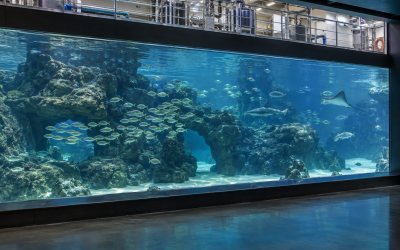
- 150+ gallons: Custom builds, large cichlids, freshwater stingrays, full reef setups. Significant commitment in space, weight (a 150g tank weighs 1,400+ pounds when full), and electrical infrastructure.



As an Amazon Associate we earn from qualifying purchases. Product prices and availability are accurate as of the date/time indicated.
Filtration: The Heart of Tank Stability
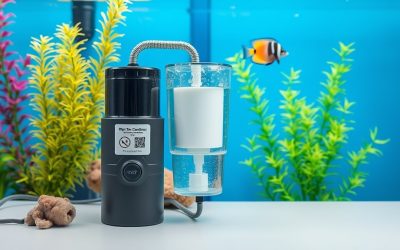
Filtration isn’t optional — it’s the single most important equipment decision. Your filter performs three functions: mechanical (trapping particles), biological (housing beneficial bacteria that convert ammonia to nitrite to nitrate), and chemical (removing dissolved compounds via activated carbon).
Filter Types Compared
Hang-on-back (HOB) filters are the standard for tanks up to 75 gallons. They’re easy to maintain, affordable, and provide good aeration. Sizing rule: choose a filter rated for at least 1.5x your actual tank volume.
Canister filters are powerful, customizable, and almost silent. They sit below the tank in the cabinet, push water through multiple media stages, and excel for larger tanks (40+ gallons) and planted setups. Initial cost is higher but media customization and longevity justify the price.
Sponge filters use air pumps to drive simple biological filtration. They’re the safest choice for fry tanks, shrimp tanks, and quarantine setups where you don’t want to risk sucking up small inhabitants.
Sump filters use a separate aquarium below the display to house filtration, heaters, and equipment. Standard in saltwater reef setups, increasingly popular for high-end freshwater builds.
Heaters and Temperature Control
Most tropical species need water temperatures between 75-80°F. Submersible heaters with adjustable thermostats are standard. Rule of thumb: 3-5 watts per gallon, with redundancy for larger tanks (two smaller heaters instead of one big one — if one fails, you don’t lose the entire tank).
Don’t skip the thermometer. Digital thermometers with external probes provide accurate readings independent of the heater’s internal thermostat, which can drift over time. For tanks over 75 gallons or in cold rooms, consider a separate temperature controller that overrides the heater if temperature exceeds setpoints.




As an Amazon Associate we earn from qualifying purchases. Product prices and availability are accurate as of the date/time indicated.
Lighting for Fish and Plants
Lighting requirements differ dramatically between fish-only tanks and planted tanks. Fish need a basic day-night cycle (8-10 hours of moderate light). Plants need specific spectrum and intensity to photosynthesize.
LED lighting has replaced fluorescent for most aquariums — lower power consumption, no bulb replacement, and programmable schedules. For fish-only tanks, basic LED strips cost $30-80 and work fine. For planted tanks, look for full-spectrum LEDs in the 6,500K-7,500K Kelvin range with adjustable intensity.
Categorizing Planted Tanks
- Low-tech (low light): 0.25-0.5 watts of quality LED per gallon. Hardy plants like java fern, anubias, cryptocorynes. No CO2 supplementation needed.
- Medium-tech: 0.5-1 watt per gallon. More demanding plants (swords, vallisneria, dwarf hairgrass). Liquid CO2 or low-pressure CO2 system.
- High-tech: 1+ watts per gallon, pressurized CO2 injection, dosed liquid fertilizers. Carpet plants, vibrant colored plants, complex aquascapes. Requires more maintenance.
Substrate Choices
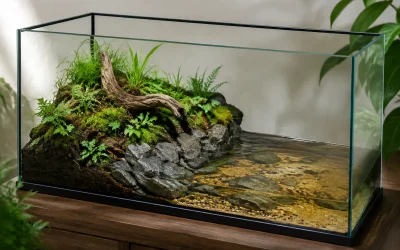
The bottom layer affects plant growth, fish behavior, and aesthetics. Plain inert gravel costs the least and works for fish-only tanks. Active substrates like ADA Amazonia or UNS Controsoil release nutrients and lower pH — ideal for planted tanks and acidic-water species. Sand provides natural look and is essential for cory catfish and other substrate-sifting species.



As an Amazon Associate we earn from qualifying purchases. Product prices and availability are accurate as of the date/time indicated.
Cycling Your New Tank
“Cycling” establishes the beneficial bacteria colony that converts toxic ammonia (from fish waste) to nitrite (also toxic) to nitrate (mostly harmless at low levels). Skipping cycling kills fish — and many beginners make this exact mistake.
Fishless Cycling (Recommended)
- Set up tank with all equipment running
- Add ammonia source (pure ammonia or dose with bacterial starter)
- Test water daily with a liquid test kit (API Master Test Kit is standard)
- Wait 3-6 weeks until ammonia and nitrite both drop to zero within 24 hours of dosing ammonia
- Perform large water change and add fish gradually
Speeding Up Cycling
Bottled bacterial supplements (Seachem Stability, API Quick Start, Tetra SafeStart) reduce cycling time. Adding established media from a cycled tank speeds the process even more. Never add a full stocking of fish to a fresh tank — even with bacterial supplements, the colony needs time to build.
Stocking Your Tank Thoughtfully
Beautiful tanks come from compatible communities, not from buying every interesting fish at the pet store. Before purchasing, research:
- Adult size: That 1.5-inch goldfish grows to 12+ inches
- Temperament: Peaceful, semi-aggressive, aggressive — don’t mix
- Water parameters: Hard alkaline vs. soft acidic — most species are flexible but extremes matter
- Schooling needs: Tetras, rasboras, danios need groups of 6+ to display natural behavior
- Layer preferences: Mix surface-dwelling (hatchets), mid-water (tetras), and bottom-dwelling (corydoras) species for visual interest
Maintenance Routine
A consistent maintenance schedule prevents 90% of fish-keeping problems:
- Daily: Feed sparingly, observe fish behavior, check temperature
- Weekly: Test water parameters, top off evaporation, light glass cleaning
- Bi-weekly: 25-30% water change with gravel vacuum, wipe glass thoroughly
- Monthly: Clean filter media in old tank water (never tap water — chlorine kills beneficial bacteria), prune plants
- Quarterly: Replace activated carbon, check all equipment, inspect heater seals
Frequently Asked Questions
What’s the easiest fish for beginners?
Hardy schooling species like cherry barbs, neon tetras, harlequin rasporas, and platies tolerate beginner mistakes. Avoid common goldfish (too much waste for small tanks), bettas in tiny bowls (need 5+ gallons heated), and any cichlid until you have experience.
How often should I feed my fish?
Once or twice daily, only what fish consume in 2-3 minutes. Overfeeding is the leading cause of poor water quality. Most fish thrive on alternating between quality flakes/pellets, frozen foods, and occasional treats. Fast adult fish one day per week.
Can I use tap water?
Yes, after treating with a dechlorinator like Seachem Prime or API Tap Water Conditioner. These products neutralize chlorine, chloramine, and bind heavy metals instantly. Test source water hardness and pH before adding fish.
Why is my tank cloudy?
White cloudy water in new tanks is a bacterial bloom — harmless and resolves in days. Green water is algae bloom from excess light or nutrients. Persistent cloudiness suggests overstocking, overfeeding, or filter problems.
What’s the best way to add new fish?
Float the sealed bag in the tank for 15 minutes to equalize temperature. Then drip-acclimate by transferring fish to a separate container and slowly adding tank water over 30-60 minutes. Net the fish into the tank — never pour bag water into your display.
Final Thoughts
Fish keeping rewards patience and consistency more than spending. Beginners who start with a 40-gallon tank, robust filtration, hardy species, and a strict maintenance schedule succeed far more often than those who buy the biggest, most expensive setup possible. Master a basic community tank first, then expand into planted aquariums, specialty species, or larger systems as your skills and confidence grow. With proper setup and routine care, your tank becomes a meditative ecosystem that brings daily joy for years to come.
Related Reviews & Guides


Quick Picks: Best Aquarium Sump Equipment at a Glance

Fish Tank Cycling Beginner Guide