Last Updated: October 9, 2026
- Identifying Your Type of Cloudiness
- White/Gray Cloudiness — Bacterial Bloom
- Green Water — Algae Bloom
- Brown/Yellow Tint — Tannins
- Hazy Water With Surface Film
- Prevention: Stable Tanks Don’t Cloud
- What NOT to Do
- When Cloudiness Becomes Dangerous
- Frequently Asked Questions
- Final Thoughts
- Related Articles
- Related Guides
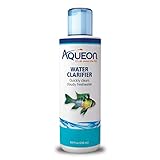
- Top Pick: Aqueon Aquarium Fish Tank Water Clarifier, 16 Fluid Ounces
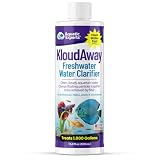
- Best Value: KloudAway Freshwater Aquarium Water Clarifier – Clears Cloudy Water, Water Clarifier for Fish Tank, Made in USA, Aquatic Experts, (500 ml)
- Premium Choice: API ACCU-CLEAR Freshwater Aquarium Water Clarifier 8-Ounce Bottle
Cloudy aquarium water rarely indicates a serious problem — but it does signal that something in your tank’s biological balance needs attention. The color and behavior of the cloudiness tells you exactly what’s happening and what to do about it. This guide walks through every type of aquarium cloudiness, the underlying cause, and the proven fix for each scenario, so you can diagnose and resolve issues without panic.
As an Amazon Associate we earn from qualifying purchases at no extra cost to you.





🛒 Best Price Today on Amazon
Prime members get fast, free shipping on everything above, plus member-only deals. New members get a 30-day free trial — cancel anytime.
Identifying Your Type of Cloudiness
Aquarium cloudiness falls into four distinct categories. Each has different causes and solutions:
- White/gray cloudiness — usually bacterial bloom, harmless and temporary
- Green water — algae bloom, indicates excess light/nutrients
- Brown/yellow tint — tannins from driftwood or substrate, mostly aesthetic
- Hazy with film on surface — protein buildup or biofilm, affects gas exchange
Look at your tank in natural light. Identify which type you’re dealing with before applying any solution — wrong treatment can make problems worse.
White/Gray Cloudiness — Bacterial Bloom
The most common type, especially in new tanks. White or milky-gray cloudiness usually indicates a bacterial bloom — free-floating heterotrophic bacteria multiplying rapidly to process organic matter.
Common Causes
- New tank cycling (week 1-3 of setup)
- Major water changes that disrupted bacterial balance
- Overfeeding (excess food breaks down, feeds bacteria)
- Dead fish, plant material, or other waste decomposing
- Substrate disturbance releasing stored organics
Fix
For new tanks: this is normal and resolves in 3-7 days. Don’t change water excessively (which extends the cycle). Let your biological filter establish properly.
For established tanks: identify the trigger. Reduce feeding by 50%. Check for hidden dead fish or rotting plants. Perform a 25% water change with proper temperature-matched, dechlorinated water. Don’t replace filter media during this time (you’d remove beneficial bacteria).




As an Amazon Associate we earn from qualifying purchases. Product prices and availability are accurate as of the date/time indicated.
Green Water — Algae Bloom
Suspended single-celled algae multiply rapidly when light and nutrients exceed what your plants can use. Green water can range from mild tint to opaque pea soup.
Common Causes
- Too much light (over 8-10 hours/day or direct sunlight)
- Excess nitrates and phosphates from overfeeding or undermaintained tanks
- Insufficient live plants to compete with algae
- New aquarium without established plant biomass
Fix
Reduce light: Limit photoperiod to 6-8 hours. Move tank away from windows. Use timer-controlled LEDs to enforce limits.
Address nutrients: Test water for nitrates (should be under 20 ppm) and phosphates (under 0.5 ppm). Perform 30% water change with conditioned tap water. Reduce feeding to once daily, only what fish consume in 2 minutes.
Add fast-growing plants: Hornwort, water sprite, frogbit absorb nutrients and outcompete algae. They thrive in nutrient-rich water that triggers algae blooms.
UV sterilizer: For persistent green water, a UV sterilizer rated for your tank size kills suspended algae as water flows through. Within 3-7 days the bloom clears. UV is the only reliable fast fix for established green water.





As an Amazon Associate we earn from qualifying purchases. Product prices and availability are accurate as of the date/time indicated.
Brown/Yellow Tint — Tannins
Tea-colored water signals tannins leaching from driftwood, almond leaves, peat substrate, or natural substrates. Many fish species (tetras, bettas, gouramis, killifish) thrive in tannin-stained “blackwater” conditions.
Common Causes
- New driftwood not pre-soaked or boiled
- Indian almond leaves or rooibos extracts added intentionally
- Peat substrate or filter media
- Decomposing botanicals (catappa leaves, alder cones)
Fix (if you want clear water)
Activated carbon: Adding fresh activated carbon to your filter removes tannins within 24-48 hours. Replace carbon every 2-4 weeks if you want continuous tannin removal.
Pre-treat driftwood: Soak new pieces in clean water for 2-3 weeks, changing water daily, or boil for several hours before adding to the tank.
Or embrace it
Tannins lower pH naturally (helpful for soft-water species), release beneficial humic acids, and create more natural conditions for many fish. Cardinal tetras, discus, and bettas often look and behave better in tannin-stained water. If you keep these species, brown water is a feature, not a bug.
Hazy Water With Surface Film
Persistent haze combined with an oily-looking surface film indicates protein buildup or biofilm. This affects gas exchange (oxygen entering, CO2 leaving) and can stress fish if severe.
Common Causes
- Insufficient surface agitation
- Overfeeding (excess protein from food)
- Crowded tank (too much waste production)
- Inadequate filtration for bioload
Fix
Increase surface agitation by adjusting filter output toward the surface or adding an air stone. Surface skimmers (built into many filters or as add-ons) remove protein film mechanically. Reduce feeding and verify your filter is rated appropriately (1.5x tank volume minimum). Increase water change frequency to weekly 25% if needed.



As an Amazon Associate we earn from qualifying purchases. Product prices and availability are accurate as of the date/time indicated.
Prevention: Stable Tanks Don’t Cloud
A properly cycled, well-maintained tank rarely experiences sustained cloudiness. Build these habits to prevent issues:
Daily
- Observe fish for stress signs
- Feed sparingly (what they finish in 2 minutes)
- Check filter is running properly
Weekly
- Test water parameters (ammonia, nitrite, nitrate, pH)
- Light glass cleaning
- Top off evaporation with conditioned water
Bi-weekly
- 25-30% water change with gravel vacuum
- Wipe inside glass thoroughly
- Inspect plants for decay
Monthly
- Clean filter media in old tank water (never tap water — chlorine kills beneficial bacteria)
- Trim plants
- Check all equipment
What NOT to Do
Common reactions to cloudy water often make things worse:
- Don’t do a 100% water change. This destroys beneficial bacteria and restarts the cycling process, often making cloudiness worse and stressing fish severely.
- Don’t add chemical clarifiers without diagnosing the cause. Flocculants temporarily clear water but don’t fix the underlying issue. They also clog filters.
- Don’t replace all filter media simultaneously. Your biological bacteria live in the media. Replace components staggered across weeks, not all at once.
- Don’t increase feeding to “make fish stronger.” Overfeeding is the leading cause of cloudy water and poor water quality generally.
- Don’t use multiple treatments simultaneously. Algaecides, clarifiers, and additives interact unpredictably. Identify the specific issue and apply ONE targeted solution.
When Cloudiness Becomes Dangerous
Most cloudiness is harmless if temporary. Watch for these warning signs that indicate water quality problems requiring immediate action:
- Fish gasping at surface: Low oxygen, often from bacterial bloom or surface film blocking gas exchange. Increase aeration immediately.
- Fish lethargic or refusing food: Test parameters immediately. Ammonia or nitrite spike likely.
- Persistent green water with dying plants: Imbalanced nutrients. Address light and feeding before adding more equipment.
- Cloudy water with sudden fish deaths: Likely toxic spike (ammonia from rotting waste or chemicals introduced accidentally). 50% water change immediately, test parameters, remove any dead organisms.
Frequently Asked Questions
How long does cloudy water last?
Bacterial bloom: 3-7 days. Algae bloom: 1-2 weeks with treatment. Tannin staining: indefinite without carbon. Hazy/film: clears within days once cause is addressed.
Will cloudy water hurt my fish?
Bacterial bloom and tannins are harmless. Green water reduces visibility but is generally safe. Severe surface film can reduce oxygen and become dangerous. When in doubt, increase aeration and check parameters.
Should I do a big water change to clear cloudiness?
No. Large water changes destroy biological balance and often worsen cloudiness. Stick to 25-30% changes with temperature-matched, dechlorinated water.
Why does my water cloud after every water change?
Either you’re disturbing substrate significantly (try a slow drip method or use a python siphon), or your dechlorinator/water source has issues. Test pH and parameters of new water before adding.
Can I use bottled water to fix cloudy water?
Bottled water lacks the minerals fish need and isn’t a substitute for properly conditioned tap water. RO/DI water needs remineralization. Tap water with proper dechlorinator is best for most freshwater tanks.
Final Thoughts
Cloudy aquarium water is a symptom, not a disease — identifying which type tells you exactly what’s happening biologically. Most cloudiness resolves itself in days once you address the underlying cause (overfeeding, excess light, surface stagnation). Resist the urge to panic-respond with major water changes or chemical treatments. Consistent maintenance and observation prevent 95% of cloudiness issues before they develop. When problems do occur, work through the diagnostic process systematically, apply the appropriate fix, and your tank returns to crystal clear within days to weeks. The aquariums that stay consistently clear belong to owners who built sustainable maintenance habits, not those with expensive equipment or magic additives.
Related Reviews & Guides


11 Best Fish Food Pellets

Quick Picks: Best Aquarium Canister Filters — 2026