Last Updated: October 4, 2026
🛒 Best Price Today on Amazon
Prime members get fast, free shipping on everything above, plus member-only deals. New members get a 30-day free trial — cancel anytime.
Introduction
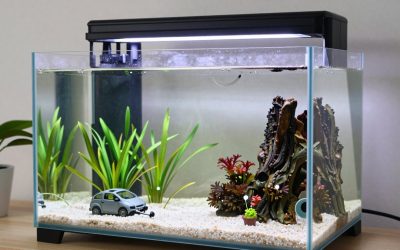
Nano aquariums — typically defined as tanks under 30 gallons, with the most popular sizes ranging from 5 to 20 gallons — have exploded in popularity as advances in lighting, filtration, and aquascaping techniques have made small tanks more stunning and manageable than ever before. Whether you want a desktop planted tank, a shrimp bowl, or a pico reef, this guide covers the key considerations and best equipment for a successful nano aquarium setup.
As an Amazon Associate we earn from qualifying purchases at no extra cost to you.




What to Look For
- Water stability challenges: Small water volumes are highly susceptible to parameter swings — temperature, pH, and salinity (in saltwater nanos) can shift dramatically with evaporation or a single equipment failure. Auto-top-off units and quality heaters with accurate thermostats are more critical in nanos than in large tanks.
- Appropriate stocking: Nano tanks demand nano-appropriate livestock — small, peaceful species like ember tetras, chili rasboras, pygmy corydoras, and dwarf shrimp in freshwater, or small gobies and clownfish with a single coral focus in saltwater. Overcrowding a nano tank is the most common beginner mistake.
- All-in-one design: The best nano tanks feature integrated back-chamber filtration that hides equipment, keeps cables organized, and provides a sleek, professional appearance. All-in-one designs like the Fluval Spec or Innovative Marine AIO eliminate the need to source separate equipment and are ideal for beginners.
Top Picks
Fluval Spec III 2.6-Gallon Aquarium Kit
The Fluval Spec III is the definitive nano freshwater tank for desktop use. Its integrated back chamber accommodates a small powerhead filter with adjustable flow, and the included 7500K LED light is powerful enough for low-to-medium light live plants. The sleek, aluminum-trimmed design looks professional in any setting, and the kit comes fully equipped with filter media, making setup straightforward for beginners.
Innovative Marine Nuvo Fusion 10 AIO
For nano reef enthusiasts, the Innovative Marine Nuvo Fusion 10 is a premium all-in-one saltwater system with an oversized back-chamber filtration area, crystal-clear Starphire low-iron glass, and a thoughtfully designed media basket that accommodates the full suite of reef filtration media. Its compact 10-gallon footprint and elegant aesthetics make it one of the most popular nano reef platforms in the hobby.
Inkbird IBS-TH2 Aquarium Thermometer with Alerts
Temperature monitoring is especially critical in nano tanks where even a malfunctioning heater can swing water temperature dangerously within hours. The Inkbird IBS-TH2 is a Bluetooth-enabled thermometer that sends smartphone alerts when temperature exceeds your set thresholds. This early warning system can save a nano tank's entire population from a heater malfunction — particularly valuable for reef tanks where corals are sensitive to even 1°F swings.
Choosing and Cycling a Nano Tank
Nano aquariums, generally those under about ten gallons, are popular for their compact footprint and aquascaping appeal, but their small water volume makes them less forgiving than larger tanks. With less water to dilute waste, parameters can swing quickly, so careful stocking and diligent maintenance are essential. As with any tank, the most important first step is cycling: establish the beneficial bacteria that process ammonia and nitrite before adding any livestock, and never rush this process in a small tank where toxins concentrate fast.
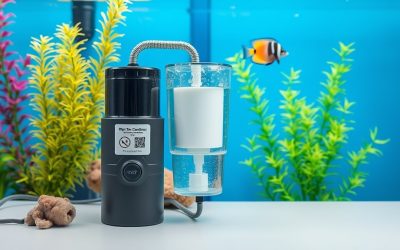
Equipment for a nano tank should be appropriately scaled. A small, gentle filter such as a sponge filter or a low-flow internal filter keeps the water clean without overwhelming a small space. A reliable mini heater holds tropical temperatures steady, and an accurate thermometer lets you confirm it. Because nano tanks heat up and cool down faster than large ones, keeping them out of direct sunlight and away from drafts helps maintain stability.
Stocking a Nano Tank Responsibly
The cardinal rule of nano keeping is to stock lightly and choose small species suited to the volume. Overstocking is the most common mistake and quickly leads to poor water quality. Excellent nano inhabitants include small schooling fish like ember tetras and chili rasboras, a single betta, dwarf shrimp such as cherry shrimp, and snails, all of which suit the limited space.
- Stock conservatively: Fewer, smaller fish keep water quality manageable in a low-volume tank.
- Pick nano-appropriate species: Tiny schooling fish, shrimp, and snails thrive where larger fish would not.
- Stay on top of maintenance: Frequent small water changes counter the faster parameter swings of a small tank.
Aquascaping a Nano Tank
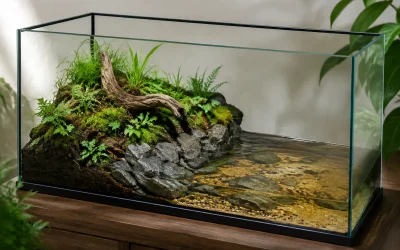
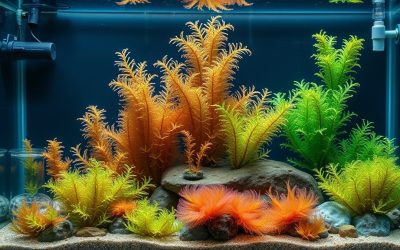
The compact size of a nano tank makes it a wonderful canvas for aquascaping, where every detail is on display. Because the space is small, restraint pays off: a few well-chosen pieces of hardscape and a handful of plant species look far better than a crowded jumble. Hardy plants like anubias, java fern, mosses, and small carpeting species suit the limited room, and attaching plants to driftwood or stone keeps the layout tidy. Creating a sense of depth with sloped substrate and careful plant placement makes a nano tank feel larger than it is. With thoughtful design, a small tank becomes a striking, jewel-like centerpiece for any room.
Related Guides
- Koi Pond Setup Guide: Building the Perfect Home for Your Koi Fish
- Cichlid Aquarium Setup Guide: Build the Perfect Cichlid Tank
- Fish Quarantine Tank Setup: Complete Beginner Guide
- Why Trust Our Picks
Frequently Asked Questions
What counts as a nano aquarium?
Nano aquariums are generally tanks under about ten gallons, prized for their small footprint and aquascaping potential. Their limited water volume makes stable maintenance more important than in larger tanks.
What fish can live in a nano tank?
Small species suit nano tanks best, such as ember tetras, chili rasboras, a single betta, dwarf shrimp, and snails. Avoid large or active fish that need more swimming room and produce more waste.
Are nano tanks harder to maintain?
In some ways, yes, because the small water volume allows parameters to swing quickly. Light stocking, regular testing, and frequent small water changes keep a nano tank stable and healthy.
Do nano tanks need a filter and heater?
Yes, a gentle filter and, for tropical species, a small heater are both important. Scaled-down equipment keeps the water clean and the temperature stable without overpowering the small space.
How many fish can I keep in a nano tank?
Far fewer than many beginners expect, since overstocking quickly degrades water quality in a small volume. Research the adult size and needs of each species and err on the side of understocking.
Final Thoughts
Nano aquariums offer an accessible, affordable entry point into aquascaping and reef keeping without the space requirements or expense of a large tank. Choose an all-in-one design with integrated filtration, stock conservatively, and monitor parameters closely given the reduced water volume. With the right approach, a well-designed nano tank can be among the most visually impactful displays in the hobby — delivering remarkable beauty in a remarkably small footprint.
Related Reviews & Guides


Aquarium Water Conditioners: Comparison and Buying Guide (2026)
Koi Pond Setup Guide: Building the Perfect Home for Your Koi Fish