Last Updated: October 4, 2026
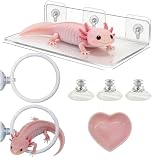
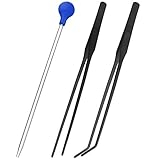
- Top Pick: CidiiistarGo 4 Pcs Axolotl Tank Accessories, Hammock with 3 Suction Cup Feeder Bowl 2 Exercise Training Ring Toys, Aquarium Accessories for Tank, Tank Starter Enrichment Kit for Axolotls Aquarium
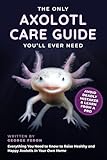
- Best Value: The Only Axolotl Care Guide You'll Ever Need: Avoid Deadly Mistakes & Learn from a Pro – Everything You Need to Know to Raise Healthy and Happy Axolotls in Your Own Home
- Premium Choice: Fejapa Size S 10-Piece Axolotl Habitat Enrichment Set with Hammock, Hideout, Floating Ball, Float Net, Entertain Rings, Nylon Mesh with Suction Cup for Fish Tank Axolotl Hide for Aquarium
🛒 Best Price Today on Amazon
Prime members get fast, free shipping on everything above, plus member-only deals. New members get a 30-day free trial — cancel anytime.
Introduction
Axolotls are captivating, fully aquatic salamanders that have become increasingly popular as exotic pets thanks to their feathery external gills, permanently juvenile appearance, and remarkable regenerative abilities. Setting up the right tank environment is critical — axolotls are cold-water animals with specific needs that differ significantly from tropical fish. This guide covers the essential equipment and supplies for a proper axolotl setup.
As an Amazon Associate we earn from qualifying purchases at no extra cost to you.



What to Look For
- Temperature control: Axolotls require cool water between 60–68°F (16–20°C) and will become stressed and susceptible to disease above 72°F. In warm climates, an aquarium chiller is essential rather than optional.
- Tank size: A single adult axolotl needs a minimum 20-gallon long tank — the extra horizontal space supports their ground-dwelling behavior. For pairs, a 40-gallon breeder is recommended.
- Substrate safety: Axolotls will ingest gravel and suffer impaction; use large river rocks (too big to swallow), fine sand, or a bare bottom tank to eliminate this risk entirely.
Top Picks
Aqua Euro USA Aquarium Chiller
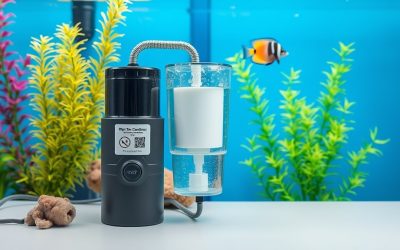
The Aqua Euro inline aquarium chiller is a highly rated solution for maintaining the cold temperatures axolotls require. It connects in-line with your canister filter return line and precisely regulates water temperature. Available in multiple sizes to suit tank volumes from 20 to over 100 gallons, it is a worthwhile long-term investment for serious axolotl keepers.
Fluval 307 Performance Canister Filter
Axolotls are messy eaters and produce considerable waste, demanding a powerful filtration system. The Fluval 307 canister filter handles tanks up to 70 gallons with quiet, efficient multi-stage filtration. Its adjustable flow rate is important — axolotls dislike strong currents, so positioning the output to create gentle surface agitation rather than a direct flow is key.
Hikari Sinking Carnivore Pellets
Hikari Sinking Carnivore Pellets are an excellent staple diet for axolotls. These protein-rich pellets sink immediately, allowing axolotls to feed naturally from the substrate as they would in the wild. Their firm texture holds up well underwater and can be supplemented with earthworms and bloodworms for a balanced, varied diet.
Axolotl Water Temperature and Tank Size
Axolotls are cold-water amphibians, and this single fact shapes their entire setup. Unlike tropical fish, they should never be kept with a heater; they thrive in cool water, generally between about 60 and 68°F (16–20°C), and temperatures above the low 70s°F cause serious stress and can be fatal. In warm climates or rooms, an aquarium chiller or fans may be needed to keep the water cool enough. Keeping axolotls cold and stable is the most important rule of their care and the most common point new keepers get wrong.
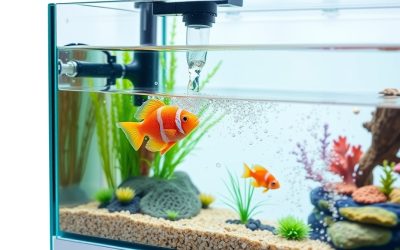
Tank size matters because axolotls grow large, often reaching 9 to 12 inches, and produce a substantial bioload. A single adult axolotl needs at least a 20-gallon long tank, with more space for additional animals, and the long footprint is preferred over height since axolotls are bottom-dwellers that need floor area rather than depth. Strong, well-established filtration is essential to handle their waste, but the flow should be gentle, since axolotls dislike strong currents. Spray bars or baffled outflows help diffuse filter flow to a level they tolerate comfortably.
Substrate, Tank Mates, and Axolotl Care
Substrate choice is a genuine safety issue for axolotls because they feed by suction and readily swallow whatever is near their food. Gravel is dangerous, as swallowed pieces can cause life-threatening impaction. The safest options are a bare bottom, which is easy to clean, or fine sand, which passes through them safely if ingested. This makes substrate one of the few non-negotiable decisions in axolotl keeping, and choosing wrong is a frequent cause of avoidable illness.
Axolotls are best kept alone or only with other similarly sized axolotls, since they are not compatible with most fish. Fish may nip their delicate external gills, and small fish or invertebrates are simply eaten, while the warm water many fish need is harmful to axolotls. Even housing axolotls together carries risk, as they may bite each other’s limbs and gills, though their remarkable regenerative ability lets them regrow lost parts. Provide caves and hides to reduce stress, feed a diet of suitable items like earthworms and pellets, and maintain pristine, cool water with regular changes. With cold, clean water, safe substrate, and minimal tank mates, axolotls are hardy, long-lived, and endlessly charming pets.
Frequently Asked Questions
What temperature do axolotls need?
Axolotls are cold-water animals that thrive between about 60 and 68°F (16–20°C). They should never have a heater, and warm water above the low 70s°F is dangerous to them.
What size tank does an axolotl need?
A single adult axolotl needs at least a 20-gallon long tank, with more space for additional animals. The long footprint suits these bottom-dwellers better than a tall tank.
What substrate is safe for axolotls?
A bare bottom or fine sand is safest, because axolotls swallow substrate while feeding. Gravel is dangerous since swallowed pieces can cause life-threatening impaction.
Can axolotls live with fish?
Generally no. Fish may nip an axolotl’s delicate gills, small fish get eaten, and the warm water many fish need harms axolotls. They are best kept alone or with similarly sized axolotls.
Do axolotls need a filter?
Yes. Axolotls produce a heavy bioload and need strong, well-cycled filtration, but the flow must be gentle. Spray bars or baffled outflows help keep the current low enough for them.
Do axolotls need a light?
Axolotls do not require bright lighting and actually prefer dim conditions, since they have no eyelids and dislike strong light. A low light on a timer is fine, and plenty of hides let them retreat from it.
What do axolotls eat?
Axolotls are carnivores that do well on earthworms, along with suitable pellets and occasional frozen foods. Earthworms are a nutritious staple, while gravel-free feeding keeps them from swallowing substrate.
How long do axolotls live?
With cool, clean water and proper care, axolotls commonly live well over a decade. Stable cold temperatures and pristine water quality are the keys to a long, healthy life.
Final Thoughts
A well-configured axolotl tank — with appropriate cooling, powerful filtration, and safe substrate — creates a stress-free environment where these remarkable animals can thrive for 10 to 15 years. Invest in quality equipment from the start, cycle your tank fully before adding your axolotl, and perform consistent 20% weekly water changes to maintain pristine conditions.
Related Reviews & Guides

55 Gallon Aquarium Setup Guide: Best Equipment for a Large Fish Tank
Aquaponics System for Beginners: How to Grow Fish and Plants Together