Last Updated: October 9, 2026
- Top Pick: Generic Shrimp Up Aquatics™ 20+ Mixed Color Neocaridina Shrimp Live Freshwater Aquarium Inverts Live Arrival! Mixed
- Best Value: Las Vegas Exotic Fish™ 20 High Grade Fire Red Cherry Shrimps Neocaridina Live Freshwater Shrimp Aquarium Inverts (Live Guarantee or Replacemnt is free) FREE PLANT!
- Premium Choice: Generic Shrimp Up Aquatics™ 10+ Mixed Color Neocaridina Shrimp Live Freshwater Aquarium Inverts Live Arrival! Mixed
🛒 Best Price Today on Amazon
Prime members get fast, free shipping on everything above, plus member-only deals. New members get a 30-day free trial — cancel anytime.
Freshwater Shrimp Tank: Everything You Need to Get Started
Freshwater shrimp have exploded in popularity among aquarium hobbyists, and it’s easy to see why. Crystal Red Shrimp, Neocaridina (cherry shrimp), and Amano shrimp are fascinating to watch, effective algae cleaners, and surprisingly easy to breed in the right conditions. However, shrimp are sensitive to water chemistry, copper, and ammonia—so the right equipment is crucial. This guide covers the best products for setting up a thriving freshwater shrimp tank.
As an Amazon Associate we earn from qualifying purchases at no extra cost to you.




1. Fluval Plant and Shrimp Stratum Substrate
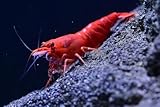
Shrimp-specific substrate is one of the most impactful purchases you can make. Fluval’s Plant and Shrimp Stratum is a mineral-rich volcanic soil that naturally buffers pH to the slightly acidic range preferred by Caridina shrimp species (pH 6.0–6.8). It also promotes beneficial bacterial colonies and encourages plant root growth. The dark color shows off shrimp coloration beautifully, and it doesn’t cloud the water when first added if poured carefully.
2. Matten Filter (Hamburg Mattenfilter Style)
Shrimp can be sucked into standard filter intakes, and chemical filter media like activated carbon can strip beneficial trace minerals from the water. A sponge or mattenfilter-style filter is the gold standard for shrimp tanks. It provides excellent biological filtration with no suction risk for baby shrimp (shrimplets). Brands like Aquarium Co-Op and Hikari offer quality sponge filters that also double as feeding stations since shrimp graze on the biofilm that develops on the foam.
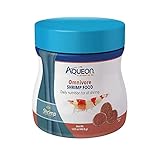
3. SL-Aqua Vitality Shrimp Food
Shrimp need a varied diet rich in minerals, plant matter, and protein for healthy molting and breeding. SL-Aqua Vitality is a premium shrimp food formulated with spinach, chlorella, and mineral supplements. The pellets sink quickly, allowing shrimp to find them easily. Feed in small amounts every 1–2 days, removing uneaten food after 2 hours to prevent ammonia spikes. Supplement with blanched vegetables like zucchini and spinach for variety.
Freshwater Shrimp Tank Buying Guide
- Tank size: 5–10 gallons is ideal for most Neocaridina species; stability is more important than volume.
- Copper warning: Even trace copper from pipe fittings or fertilizers kills shrimp; use copper-free conditioners and fertilizers.
- Cycling: Fully cycle the tank (4–6 weeks) before adding shrimp; they are extremely sensitive to ammonia and nitrite.
- Plants: Java moss, Christmas moss, and floating plants provide hiding spots and breeding habitat.
- Temperature: Neocaridina prefer 65–75°F; Caridina prefer 68–72°F; avoid temperature swings.
- Water changes: Small, frequent changes (10% twice weekly) are gentler than large infrequent ones.
Water Parameters for a Thriving Shrimp Tank
Freshwater shrimp like neocaridina (cherry shrimp) and caridina (crystal and bee shrimp) are sensitive to water chemistry, so stable parameters are the foundation of success. Neocaridina shrimp are the hardier beginner choice, tolerating a wide pH range of roughly 6.5 to 8.0 and temperatures around 68 to 78F. Caridina shrimp are more demanding, preferring soft, acidic water often achieved with an active aquasoil. In all cases, shrimp are extremely sensitive to copper, so always check that medications and fertilizers are shrimp-safe.
A shrimp tank must be fully cycled before adding livestock, because shrimp cannot tolerate any ammonia or nitrite. Mature tanks rich in biofilm and algae are ideal, which is why many keepers let a shrimp tank age for several weeks before stocking. Gentle filtration is essential: a sponge filter is the classic choice because it provides biological filtration without the risk of sucking up baby shrimp. Keep nitrates low through regular small water changes, and acclimate new shrimp slowly by drip-acclimating over an hour or more, since sudden parameter shifts can be fatal. Keeping a small bottle of shrimp-safe water conditioner and a reliable test kit on hand makes routine maintenance and acclimation far safer.
Feeding, Plants, and Breeding
Shrimp are constant grazers that feed on biofilm, algae, and detritus naturally present in a planted tank, which is why a heavily planted, established setup supports them so well. Supplement with small amounts of specialized shrimp food, blanched vegetables, and the occasional protein source, but feed sparingly; overfeeding fouls the water and is a common cause of shrimp loss. Live plants such as java moss, anubias, and floating plants give shrimp grazing surfaces and shelter for vulnerable molting individuals.
Given clean, stable water, neocaridina shrimp breed readily, and a colony will grow on its own without intervention. Females carry eggs under their tails until tiny, fully formed shrimplets hatch, so a sponge filter and dense plant cover greatly improve survival rates. Provide plenty of hiding places, since shrimp are vulnerable just after molting when their new shells are soft. If you want a self-sustaining colony, keep the shrimp tank species-only or pair them only with peaceful, non-predatory tank mates like small snails, as most fish will eat baby shrimp.
Related Guides
- Koi Pond Setup Guide: Building the Perfect Home for Your Koi Fish
- Best Fish Food Pellet
- Aquarium Quarantine Tank Setup Review
Frequently Asked Questions
What size tank do freshwater shrimp need?
Shrimp can thrive in tanks as small as five gallons, though ten gallons or more offers greater water stability and room for a growing colony. Stable parameters matter far more to shrimp than sheer tank size.
Are cherry shrimp good for beginners?
Yes, neocaridina cherry shrimp are the best starter shrimp because they tolerate a wide range of water conditions. They breed readily in clean, stable water, quickly forming a self-sustaining colony.
What kind of filter is best for a shrimp tank?
A sponge filter is ideal because it provides gentle biological filtration without sucking up baby shrimp. It also cultivates the biofilm that shrimp love to graze on.
Why are my shrimp dying?
Sudden shrimp losses usually trace to copper exposure, ammonia or nitrite from an uncycled tank, or rapid parameter swings. Always use shrimp-safe products, fully cycle the tank, and drip-acclimate new arrivals slowly.
Can shrimp live with fish?
Shrimp can share a tank with small, peaceful fish, but most fish will eat baby shrimp. For a thriving, breeding colony, keep the tank species-only or pair shrimp with non-predatory companions like nerite snails. A tightly fitting lid is also helpful, as shrimp occasionally climb airline tubing or explore the waterline, and stable conditions keep the colony breeding steadily over time.
Final Thoughts
A freshwater shrimp tank is one of the most rewarding micro-ecosystems you can create. With the right substrate, safe filtration, and quality food, your shrimp colony will grow, breed, and provide endless entertainment. Start with hardy Neocaridina cherry shrimp if you’re new to the hobby, then work your way up to more demanding Caridina species as your skills develop.
Related Reviews & Guides

Aquarium Water Hardness Explained: GH, KH, and How to Adjust Them

Air Pump in Aquarium: The Complete Buyer’s Guide (2026)