Last Updated: October 4, 2026
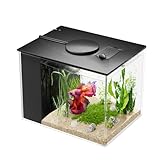
- Top Pick: AQUANEAT Fish Tank, 1 Gallon Betta Fish Tank, Small Aquarium Kit with LED Light and Water Filter Pump
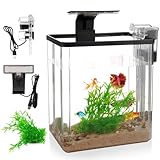
- Best Value: 3.5 Gallon Betta Fish Tank, All in One Aquarium Starter Kits with Back Filter, Adjustable Pump, 25W Heater, LED Thermometer, LED Light with Timer & Water Changer Kit, Gifts for Mom Wife
- Premium Choice: Desktop Small Aquarium Set Glass Fish Tank 1.25 Gallon, with Water Pump Filter Bright LED Light Gravel Cleaning Tool, Starter Kit Small Space Easy Setup Space-Saving Design Betta Shrimp
🛒 Best Price Today on Amazon
Prime members get fast, free shipping on everything above, plus member-only deals. New members get a 30-day free trial — cancel anytime.
Start 30-Day Prime Free Trial →See Today’s Amazon DealsIntroduction
Betta fish are among the most beautiful and personable freshwater fish available, but they deserve far better than the tiny bowls they are often sold in. A proper betta tank setup with filtration, heating, and enrichment not only extends your betta's lifespan significantly but also reveals their true, vibrant behavior. This guide walks you through exactly what you need for an ideal betta tank.
As an Amazon Associate we earn from qualifying purchases at no extra cost to you.





What to Look For
- Tank size: A 5-gallon tank is the absolute minimum for a single betta; 10 gallons gives them room to establish territories, explore, and display their fins without stress. Larger tanks are easier to keep stable and clean.
- Gentle filtration: Bettas have long, flowing fins that are easily damaged by strong currents. Choose a filter with adjustable flow, use a baffle, or opt for a sponge filter to keep water movement gentle.
- Hiding spots and enrichment: Bettas are intelligent and curious — silk or live plants, caves, and leaf hammocks reduce stress, protect fins from tearing on sharp decor, and promote natural resting and hunting behaviors.
Top Picks
Fluval Spec V 5-Gallon Aquarium Kit
The Fluval Spec V is widely regarded as one of the best betta tanks on the market. Its sleek, modern design includes an integrated back-chamber filter, a 37-LED light strong enough for live plants, and a compact footprint perfect for desks or shelves. The filter output can be baffled easily to create the gentle flow bettas prefer.
Aqueon Submersible Aquarium Heater 50W
Bettas are tropical fish requiring a stable water temperature between 76–82°F. The Aqueon submersible heater is compact, reliable, and features an indicator light that confirms it is actively heating. Its shatterproof design adds safety in smaller tanks, and its preset temperature range is well-suited to betta care requirements.
Betta Leaf Hammock by Zoo Med
The Zoo Med Betta Leaf Hammock is a beloved aquarium accessory that attaches near the surface via suction cup, giving your betta a comfortable resting spot close to the waterline where they naturally prefer to relax. Bettas regularly sleep and lounge on these hammocks, and observing this behavior is a good indicator your fish is comfortable and unstressed in its environment.
Cycling Your New Betta Tank
The most important step in setting up a betta home happens before your fish arrives: cycling the tank. The nitrogen cycle establishes beneficial bacteria that convert toxic ammonia into nitrite and then into far less harmful nitrate. Skipping this process and adding a betta to an uncycled tank exposes it to ammonia burns and is the leading cause of avoidable betta deaths. A fishless cycle, in which you add an ammonia source and wait for the bacteria to build, typically takes four to six weeks until ammonia and nitrite both read zero.
Once cycled, maintaining good water quality is straightforward. Keep the tank heated to a stable 76 to 82 degrees Fahrenheit and perform a weekly partial water change of around 25 percent, always treating tap water with a dechlorinator first. Test the water regularly, especially in the early weeks, to confirm ammonia and nitrite stay at zero and nitrate remains low. A gentle filter keeps the cycle running and the water clean without creating a current that stresses your betta.
Arranging Plants, Decor, and Lighting
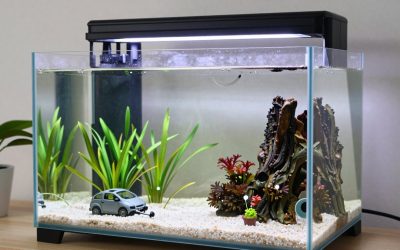
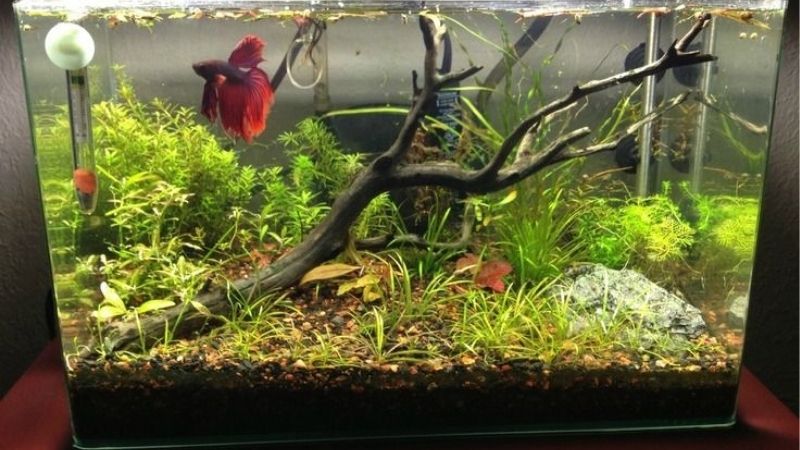
A well-aquascaped betta tank is both beautiful and functional. Bettas love resting spots, so include broad-leaved plants and a floating leaf hammock near the surface where they can lounge between trips up for air. Caves and smooth ornaments provide security and reduce stress, while live or silk plants are far safer than stiff plastic that can snag and tear a betta’s delicate fins.
- Test decor for sharpness: Run a stocking over ornaments; if it catches, the surface is too rough for fins.
- Leave surface access: Bettas breathe air through a labyrinth organ, so never fill the tank to the very top.
- Keep lighting moderate: Gentle lighting with floating plants creates a calm, natural environment bettas prefer.
Common Betta Setup Mistakes to Avoid
A few avoidable mistakes derail many new betta setups. Using a tank that is too small or unheated leaves a betta cold and stressed, while a filter with strong flow exhausts a fish built for calm waters. Adding the betta before the tank has cycled exposes it to toxic ammonia, and decorating with sharp plastic plants tears delicate fins. Overfeeding is another frequent error that fouls the water quickly. Take the time to set up a heated, gently filtered, cycled tank with soft decor and surface access, introduce your betta slowly, and feed small portions, and you will avoid the problems that trouble so many first-time keepers.
Related Guides
- New Tank Syndrome: Why New Aquariums Lose Fish and How to Prevent It
- Quick Picks: Best Aquarium Sump Equipment at a Glance
- Aquarium Gravel Cleaner Buyer's Guide
Frequently Asked Questions
Do I need to cycle a betta tank before adding my fish?
Yes, cycling is essential. Adding a betta to an uncycled tank exposes it to toxic ammonia, which is a leading cause of illness and death. A fishless cycle takes about four to six weeks until ammonia and nitrite read zero.
What is the ideal temperature for a betta tank?
Bettas are tropical and need stable water between 76 and 82 degrees Fahrenheit, which usually requires a heater. Cold water weakens their immune system and makes them lethargic and prone to disease.
What size tank does a betta need?
A single betta should have at least 5 gallons, with 10 gallons being even better. Larger tanks hold more stable water parameters and give you room for plants and decor that enrich your betta’s environment.
What plants are best for a betta tank?
Bettas appreciate broad-leaved plants like anubias and java fern for resting, plus floating plants and a leaf hammock near the surface. Live or silk plants are best because they will not tear delicate fins like stiff plastic can.
How often should I do water changes in a betta tank?
In a cycled, filtered tank, a weekly partial water change of about 25 percent is usually sufficient. Always dechlorinate the new water and match its temperature to the tank to avoid shocking your betta.
Final Thoughts
A properly set up betta tank with heating, gentle filtration, and enriching decor transforms your betta from a stressed pet-store survivor into a thriving, active, personality-filled fish. Invest in the right equipment once and your betta will reward you with vibrant colors and engaging behavior for three to five years or more. Never skip the cycle — always establish beneficial bacteria before adding your fish.
Related Reviews & Guides


Fish Quarantine Tank Setup: Complete Beginner Guide
Aquarium Maintenance Schedule: Daily, Weekly, and Monthly Checklist