Last Updated: October 9, 2026
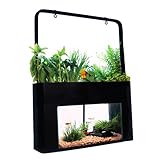
- Top Pick: Back to the Roots Indoor Aquaponic Garden – 3 Gallon Self Watering, Mess-Free Planter and Self-Cleaning Fishtank for Herbs, Microgreens, Bamboo, Succulents, and Houseplants, support Fish
- Best Value: Aquaponics and Hydroponics Gardening – 2 in 1: Learn How to Grow Organic Vegetables, Fruits and Raising Fishes for Beginners
- Premium Choice: Betta Fish Tank Kit, 2.5 Gallon Aquarium Self-Cleaning with LED Light, Filter, Heater, Decorations and Accessories – Ideal for Hydroponic Growing System and Aquaponics
🛒 Best Price Today on Amazon
Prime members get fast, free shipping on everything above, plus member-only deals. New members get a 30-day free trial — cancel anytime.
Introduction
Aquaponics combines aquaculture (raising fish) with hydroponics (growing plants without soil) in a closed-loop system where fish waste fertilizes plants and the plants naturally filter the water for the fish. It is an elegant, sustainable approach to food production and an increasingly popular hobby that produces fresh herbs, vegetables, and fish protein simultaneously. This guide helps beginners understand what to look for and which products make starting an aquaponics system as smooth as possible.
As an Amazon Associate we earn from qualifying purchases at no extra cost to you.





What to Look For
- System type: Media-bed systems (using grow media like hydroton clay balls) are the most beginner-friendly, providing excellent biological filtration and versatility for growing a wide range of plants. Nutrient Film Technique (NFT) and Deep Water Culture (DWC) are more complex but highly productive at scale.
- Fish selection: Tilapia, goldfish, and channel catfish are the most forgiving choices for beginner aquaponic systems. Tilapia are particularly popular for edible fish production due to their fast growth rate and tolerance of varying water conditions.
- Cycling and bacteria: Like any aquarium, an aquaponics system must be fully cycled before adding fish. Beneficial bacteria in the grow bed convert fish waste (ammonia) into plant-available nitrates — this biological foundation is the engine of the entire system.
Top Picks
Back to the Roots Water Garden Self-Cleaning Fish Tank
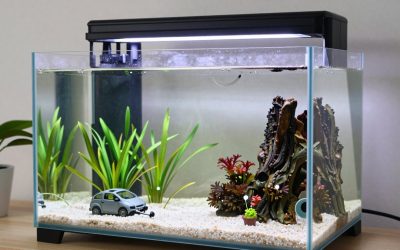
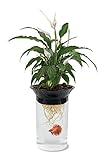
The Back to the Roots Water Garden is the most popular entry-level aquaponics kit on the market, designed specifically for beginners. The 3-gallon tank houses goldfish or betta fish while a planting tray on top grows herbs like basil and mint using fish waste as fertilizer. It includes seeds, fish food, and a water conditioner, making it a complete, self-contained starter system perfect for countertops and classrooms.
Hydrofarm Hydroton Original Expanded Clay Pebbles
Hydroton expanded clay pebbles are the gold standard grow media for aquaponics media-bed systems. They are pH neutral, reusable, provide excellent aeration and drainage, and harbor large colonies of beneficial bacteria on their porous surface. A 10-liter bag is sufficient for a small grow bed starter system, and the media can be cleaned and reused indefinitely with proper sterilization between crops.
API Freshwater Master Test Kit
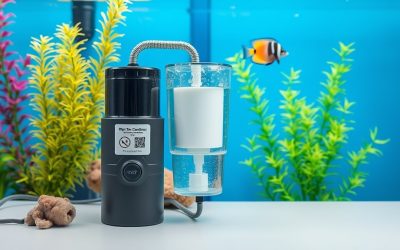
Monitoring water parameters is critical in an aquaponics system — particularly ammonia, nitrite, nitrate, and pH. The API Freshwater Master Test Kit provides accurate, laboratory-quality readings for all four key parameters. In a new system, test daily until the cycle is complete; thereafter, weekly testing maintains the balanced ecosystem on which both your fish and plants depend.
How an Aquaponics System Works
Aquaponics links a fish tank and a plant grow bed into a single recirculating loop where each part supports the other. Fish produce waste rich in ammonia, beneficial bacteria convert that ammonia into nitrate through the nitrogen cycle, and plants absorb the nitrate as fertilizer, returning cleaner water to the fish. This closed loop means the same nitrogen cycle that governs any aquarium is the engine of an aquaponics system, with plants serving as a powerful natural filter. The result is fresh herbs, vegetables, and fish raised together using far less water than conventional gardening.
The bacteria that bridge fish and plants are essential, so an aquaponics system must be cycled to establish them before it functions fully, just like a new aquarium. Common designs include media-filled grow beds, deep-water culture with plants floating on rafts, and nutrient-film techniques, each circulating water from the fish tank through the plant roots and back. A reliable pump and adequate aeration keep both fish and plant roots supplied with oxygen, making consistent water circulation one of the most important components of any system.
Choosing Fish and Plants for Aquaponics
Beginner aquaponics systems do best with hardy fish that tolerate a range of conditions. In warmer setups, tilapia are a popular food-fish choice for their toughness and fast growth, while goldfish and koi are common in ornamental systems where the fish are not eaten. Whatever fish you choose, avoid overstocking, since too many fish overload the system with waste faster than the plants and bacteria can process it. Stable water quality, with ammonia and nitrite at zero, is just as critical here as in a standard aquarium.
On the plant side, leafy greens and herbs like lettuce, basil, kale, and mint are ideal for beginners because they have modest nutrient demands and grow quickly, giving fast, encouraging results. Fruiting plants such as tomatoes and peppers are possible but need a more mature, nutrient-rich system to flourish. Because the fish and plants share one water supply, you must avoid pesticides and most fish medications, since what affects one affects the other. Balancing fish stocking, plant demand, and bacterial filtration is the ongoing art of aquaponics, rewarded with a productive, low-waste growing system.
Frequently Asked Questions
How does aquaponics work?
Fish waste is converted by bacteria into nitrate, which plants absorb as fertilizer, returning clean water to the fish. It is a closed loop driven by the same nitrogen cycle as any aquarium.
What fish are best for aquaponics?
Hardy fish work best, with tilapia popular in warm food-producing systems and goldfish or koi common in ornamental ones. Avoid overstocking so the plants and bacteria can keep up with the waste.
What plants grow well in aquaponics?
Leafy greens and herbs like lettuce, basil, kale, and mint are ideal for beginners thanks to their modest nutrient needs and fast growth. Fruiting plants like tomatoes need a more mature system.
Do I need to cycle an aquaponics system?
Yes. The system relies on beneficial bacteria to convert fish waste into plant-usable nitrate, so it must be cycled before it works fully. This is the same nitrogen cycle as in a standard aquarium.
Can I use pesticides or fish medications in aquaponics?
No. Because fish and plants share the same water, most pesticides and fish medications can harm the other half of the system. Keeping the loop chemical-free is essential.
How many fish can I keep in an aquaponics system?
Stocking depends on system size and plant capacity, but a conservative bioload is best so plants and bacteria can process the waste. Lighter stocking keeps water quality stable and the plants well fed without overload.
Can I eat the fish from an aquaponics system?
Yes, food-fish systems often raise edible species like tilapia, while ornamental systems keep goldfish or koi instead. Just keep the water free of pesticides and most medications, since they affect both fish and plants.
Final Thoughts
Aquaponics is one of the most rewarding and sustainable ways to grow both food and fish simultaneously. Start small with a countertop kit like the Back to the Roots system, master the fundamentals of cycling and water chemistry, then scale up to a larger media-bed system as your confidence grows. With patience and consistent monitoring, a well-run aquaponics system practically maintains itself and produces fresh food year-round.
Related Reviews & Guides



Quick Picks: Best Nano Aquarium 5-Gallon Kits at a Glance
Axolotl Tank Setup Guide: Everything You Need for a Happy Axolotl