Last Updated: October 21, 2026
- Top Aquarium Water Change Correctly Step Picks for 2026
- Why Water Changes Matter
- How Much Water Should You Change?
- Step-by-Step: How to Do a Water Change Correctly
- Temperature, Dechlorinator, and Refilling Safely
- Common Water Change Mistakes
- Water Change Frequency by Stocking Level
- Frequently Asked Questions
- Related Articles
- Related Guides
- Top Pick: Step by Step (Growing Writers)
- Best Value: Step by Step: How faith, risk, and obedience shaped a farm kid into a kingdom businessman
- Premium Choice: Step By Step: The Complete Series (DVD)
🛒 Best Price Today on Amazon
Prime members get fast, free shipping on everything above, plus member-only deals. New members get a 30-day free trial — cancel anytime.
Top Aquarium Water Change Correctly Step Picks for 2026
Here are our current top aquarium water change correctly step picks, compared on real Amazon owner reviews, price, and features. Live prices update below.
As an Amazon Associate we earn from qualifying purchases at no extra cost to you.


A regular water change is the single most important maintenance task in fishkeeping. No filter, plant, or gadget removes dissolved nitrate and organic waste as reliably as simply taking out old water and replacing it with fresh, dechlorinated water. Done correctly, water changes keep your fish healthy, your water parameters stable, and your tank looking clear. Done carelessly, they can shock fish, crash a cycle, or chill your tank. This step-by-step guide walks you through exactly how to perform a water change the right way, how much to change, how often, and the common mistakes that catch beginners out.
Why Water Changes Matter
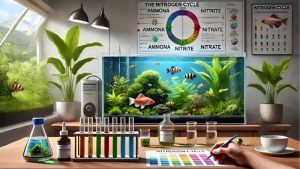
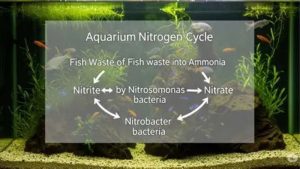
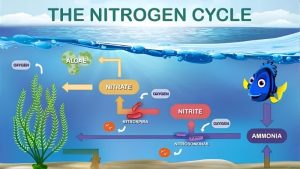
In a closed aquarium, fish waste, uneaten food, and decaying plant matter break down through the nitrogen cycle into ammonia, then nitrite, then nitrate. Your beneficial bacteria handle the toxic ammonia and nitrite, but nitrate accumulates with nowhere to go. Live plants and certain media reduce it, but in most tanks the only practical way to export nitrate is a water change.
Beyond nitrate, water changes also dilute dissolved organic compounds, replenish trace minerals and buffering capacity (KH), and help keep pH stable. If you have ever battled stubborn algae or watched a new tank turn cloudy, inconsistent water changes are often part of the story. If you are still establishing your tank’s bacteria, read about new tank syndrome and how to prevent early fish losses before relying on water changes alone.
How Much Water Should You Change?
For most freshwater community tanks, a weekly change of 10-25% of the tank volume is the standard recommendation. This range keeps nitrate in check without dramatically swinging parameters. Heavily stocked tanks, growout tanks, or tanks with messy eaters may need 30-50% weekly. Lightly stocked, planted, or mature tanks can often get away with smaller, less frequent changes.
The guiding principle is to let your nitrate test results set the schedule rather than guessing. Many keepers aim to keep nitrate below roughly 20-40 ppm in freshwater. If nitrate climbs above your target between changes, increase the volume or frequency. A reliable liquid test kit, similar to those discussed in the aquarium pH guide, is essential for making this call.
Step-by-Step: How to Do a Water Change Correctly
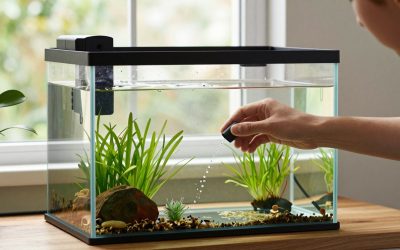
Gather your tools first: a bucket reserved only for aquarium use, a gravel vacuum/siphon, dechlorinator (water conditioner), and a thermometer. Then follow these steps:
- 1. Turn off heater and filter. Unplug the heater first and give it a few minutes. A heater exposed to air while still hot can crack, so always let it cool before the water level drops below it. Switching off the filter prevents it running dry.
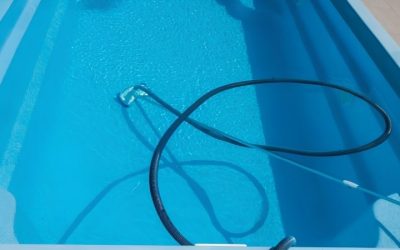
- 2. Siphon and gravel-vac. Use the gravel vacuum to draw water out while pushing the wide end into the substrate. This pulls out trapped detritus and uneaten food. In planted areas, hover just above the substrate instead of digging in to avoid uprooting plants.
- 3. Remove the target volume. Stop once you have drained your planned 10-25%. Mark your bucket or tank so you are consistent each week.
- 4. Prepare replacement water. Fill a clean bucket with tap water and add the correct dose of dechlorinator to neutralize chlorine and chloramine. Always treat tap water before it touches the tank.
- 5. Match the temperature. Adjust the tap until the new water feels close to the tank temperature, then confirm with a thermometer. A swing of more than a couple of degrees can stress fish.
- 6. Refill gently. Pour slowly onto a plate, rock, or your hand to avoid blasting the substrate and clouding the water.
- 7. Restart equipment. Once the water level is back above the heater and filter intake, plug the heater back in and restart the filter. Check that everything is running normally.
Temperature, Dechlorinator, and Refilling Safely
Two details separate a clean water change from a stressful one: temperature matching and proper dechlorination. New water that is noticeably colder or warmer than the tank can shock fish, especially sensitive species. Chlorine and chloramine in municipal tap water are added to kill bacteria, which means they will also damage your fish’s gills and your beneficial bacteria colony if added untreated.
Standard water conditioners neutralize both chlorine and chloramine instantly, and many also detoxify the ammonia released when chloramine breaks down. If you use RO water or aged, naturally dechlorinated water, your dosing needs differ. Aggressive filter cleaning combined with a large water change can knock back your bacteria, so stagger those tasks and review how to clean a filter without killing beneficial bacteria.
Common Water Change Mistakes
- Forgetting dechlorinator. The most common cause of sudden, unexplained fish stress after a water change.
- Massive changes on a neglected tank. Suddenly swapping 80-90% of water that has drifted far from tap parameters can shock fish. Catch up gradually with several moderate changes instead.
- Temperature shock. Pouring in cold tap water without matching temperature.
- Over-cleaning the gravel and filter at once. This can stall your nitrogen cycle.
- Using soap-contaminated buckets. Keep aquarium equipment separate from household cleaning gear.
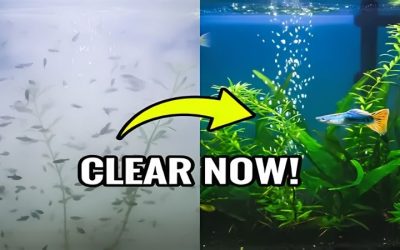
If your water turns cloudy after a change, the causes are usually mechanical or bacterial rather than dangerous, as explained in the guide to cloudy aquarium water causes and fixes.
Water Change Frequency by Stocking Level
| Tank Type | Suggested Change | Frequency |
| Lightly stocked / planted | 10-20% | Weekly or biweekly |
| Standard community tank | 20-25% | Weekly |
| Heavily stocked / large fish | 30-50% | Weekly or twice weekly |
| Shrimp tank (stability sensitive) | 10-20% | Weekly, small and steady |
Whatever your stocking, consistency beats intensity. Small, regular changes keep parameters stable, which fish appreciate far more than occasional large swaps. Matching the right stocking to your tank size, covered in the fish compatibility guide and the complete fish tank setup guide, makes your maintenance routine much easier.
Frequently Asked Questions
How often should I do a water change?
A weekly change of 10-25% suits most freshwater community tanks. Let your nitrate readings fine-tune the exact amount and frequency for your stocking level.
Do I need to remove the fish during a water change?
No. Removing fish causes far more stress than a normal partial water change. Leave them in the tank and simply work gently around them.
Can I use cold tap water for a water change?
You should match the new water to the tank temperature within a degree or two. Pouring in cold water can shock and stress your fish, so use a thermometer to check.
Is it bad to change too much water at once?
Very large changes on a tank that has drifted far from tap parameters can shock fish. On a well-maintained tank, larger changes are tolerated, but moderate weekly changes are safer and easier.
Do I always need dechlorinator?
If you use municipal tap water, yes. Chlorine and chloramine harm fish and beneficial bacteria. You can skip it only if your source water is already chlorine-free, such as RO or properly aged water.
How Long Does an Aquarium Cycle Take: Timeline and Delays
The Aquarium Nitrogen Cycle Explained for Beginners