Last Updated: October 4, 2026
- Top Pick: Pawfly 3 Inch Aquarium Fish Net with Telescopic Stainless Steel Handle Small Square Net with Soft Fine Mesh Sludge Food Residue Wastes Skimming Cleaning Net for Fish Tanks Small Koi Ponds and Pools
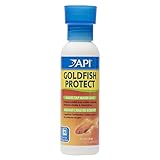
- Best Value: API GOLDFISH PROTECT Aquarium Water Conditioner 4-Ounce Bottle
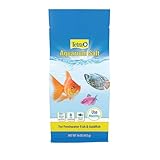
- Premium Choice: Tetra Aquarium Salt for Freshwater Fish Tanks, 16 oz
🛒 Best Price Today on Amazon
Prime members get fast, free shipping on everything above, plus member-only deals. New members get a 30-day free trial — cancel anytime.
Top Aquarium Fish Compatibility Which Fish Picks for 2026
Here are our current top aquarium fish compatibility which fish picks, compared on real Amazon owner reviews, price, and features. Live prices update below.
As an Amazon Associate we earn from qualifying purchases at no extra cost to you.




One of the most common questions in the aquarium hobby is also one of the most important: which fish can actually live together? Stocking a community tank is not as simple as picking the prettiest species at the store. Compatibility depends on temperament, adult size, water parameters, swimming zone, and social needs. Get it right and you have a peaceful, balanced display; get it wrong and you risk bullying, nipped fins, stress, and losses. This guide breaks down the key factors and groups fish by temperament so you can build a community that genuinely works.
What Determines Fish Compatibility
Before mixing species, weigh these core factors. Ignoring any one of them is the usual cause of community tank failure.
- Temperament: peaceful, semi-aggressive, and aggressive fish generally should not be mixed across categories.
- Adult size: a fish large enough to swallow a tank mate eventually will, so match sizes rather than buying by current size.
- Water parameters: tank mates must share the same temperature, pH, and hardness needs. Our GH and KH guide explains how to match hardness.
- Swimming zone: spreading fish across top, middle, and bottom reduces competition and crowding.
- Social needs: schooling fish must be kept in proper groups, or they become stressed and nippy.
- Bioload: overstocking strains water quality; see our stocking density and bioload guide.
It always helps to start with a stable, cycled tank. If you are setting up from scratch, our complete fish tank setup guide walks through the fundamentals first.
Peaceful Community Fish
Peaceful species form the backbone of most community tanks. They are non-aggressive, tolerate tank mates well, and many are schooling fish that should be kept in groups of six or more. Classic examples include small tetras, rasboras, danios, peaceful livebearers like platies, hatchetfish, and bottom-dwellers such as the kuhli loach and corydoras catfish. These fish mix beautifully with one another.
To build a balanced peaceful community, combine species from different zones: surface dwellers like hatchetfish, mid-water schoolers like the harlequin rasbora, and bottom-feeders. Peaceful invertebrates such as Amano shrimp and cherry shrimp can join, though some larger fish may eat smaller shrimp or fry. Keep schooling species in adequate numbers so they feel secure and behave naturally.
Semi-Aggressive and Special-Case Fish
Semi-aggressive fish can work in community tanks but require careful planning. This group includes many barbs, some gouramis, and the betta. The betta is a special case: males are territorial and often best alone or with carefully chosen, non-nippy tank mates. Our betta tank mate guide details which species pair safely with a betta and which to avoid.
Fin-nippers such as tiger barbs need large groups to spread out their nipping and should never be housed with long-finned, slow fish. Some specialized fish, like the dwarf pufferfish, are so nippy and territorial that a species-only tank is usually safest. The hillstream loach is another special case, needing cool, highly oxygenated water that limits its tank mates; see our hillstream loach guide. Matching these temperaments and special needs prevents most conflicts.
Fish to Keep Separate
Some fish simply should not share a tank with typical community species. Large aggressive cichlids, for instance, may view smaller fish as food or rivals. Fish with vastly different water requirements should also be kept apart, even if their temperaments seem compatible, because no single set of parameters will keep both healthy. Finally, never combine fin-nippers with slow, long-finned fish, a recipe for constant stress and damaged fins.
When a conflict does arise, a tank divider or a separate quarantine tank can defuse the situation. Watching for early signs of stress, such as hiding, clamped fins, or torn fins, lets you act before damage is done. Persistent stress also weakens the immune system and invites disease, so our fish disease diagnostic guide is a useful companion when introductions go wrong.
Introducing and Acclimating New Fish
Even perfectly compatible fish can clash if they are introduced carelessly. How you add new arrivals to an established tank has a real effect on whether the community stays peaceful. A few simple practices dramatically reduce stress, aggression, and disease risk during this delicate period.
- Quarantine first: hold new fish in a separate tank for two to four weeks to watch for illness before exposing your established community.
- Acclimate slowly: match temperature and water chemistry gradually using the drip or float-and-add method so fish are not shocked.
- Add schooling fish together: introduce a full group at once so no single fish becomes an isolated target.
- Rearrange decor: shifting hiding spots before adding fish resets established territories and reduces bullying of newcomers.
- Watch the first days: observe closely for nipping or chasing, and be ready to separate problem fish.
Introducing fish into clean, stable water also matters, since stressed fish in poor conditions are far more prone to disease. If water turns cloudy or unstable after adding livestock, our guide to cloudy and unstable water can help you diagnose the cause. Building your community gradually, a few compatible fish at a time, lets the biological filter keep pace with the growing bioload.
Quick Compatibility Reference Table
The table below offers a simplified, at-a-glance guide. Always research the specific species you intend to keep, since there are exceptions in every category.
| Fish Type | Temperament | Good With | Avoid |
|---|---|---|---|
| Small tetras & rasboras | Peaceful | Other peaceful schoolers, corydoras, plecos | Large cichlids, aggressive fish |
| Corydoras & kuhli loaches | Peaceful | Peaceful community fish, shrimp | Large predators, sharp gravel |
| Bristlenose pleco | Peaceful | Most community fish | Aggressive cichlids, fin-nippers |
| Betta (male) | Semi-aggressive | Select calm, short-finned tank mates | Fin-nippers, other bettas, bright/long-finned fish |
| Tiger barbs | Semi-aggressive | Fast fish, own large school | Long-finned slow fish, bettas |
| Dwarf pufferfish | Aggressive/nippy | Best in species-only tank | Most community fish, slow fish |
| Large cichlids | Aggressive | Similar-size robust fish | Small peaceful community fish |
Frequently Asked Questions
How do I know if two fish are compatible?
Check that they share similar temperament, adult size, and water parameters, and that their social and zone needs fit. If one fish could eat or relentlessly harass the other, or they need different water, they are not compatible.
Can aggressive and peaceful fish live together?
Generally no. Aggressive fish stress or harm peaceful tank mates, leading to hiding, nipped fins, and disease. Keep temperament categories separate or stick within a single compatible group.
Does tank size affect compatibility?
Yes. More space and cover reduce aggression and territorial disputes, and prevent overcrowding that fouls the water. Even semi-aggressive fish are often more manageable in a larger, well-decorated tank. Mind your bioload as you stock.
Do schooling fish have to be kept in groups?
Yes. Schooling species like tetras and rasboras need groups of at least six. Kept in too-small numbers they become stressed, may turn nippy, and lose their natural behavior and color.
What should I do if fish are fighting?
Separate the aggressor using a divider or another tank, add more hiding spots, and reassess your stocking. Persistent aggression usually means a temperament or space mismatch that needs a permanent change.
Related Reviews & Guides

Aquarium Fish Disease Diagnostic Guide: Symptoms, Causes, and Treatments

Cherry Shrimp Care Guide: Parameters, Molting and Colour