Last Updated: October 21, 2026
Introduction
Amano shrimp (Caridina multidentata) are legendary in the planted tank hobby for their voracious appetite for algae, including the dreaded hair algae and staghorn algae that plague most planted aquariums. Named after master aquascaper Takashi Amano who popularized their use, these larger shrimp are hardy, peaceful, and highly effective tank cleaners. This guide covers everything you need to keep Amano shrimp thriving.

SF Aquatic™ 10 Amano Live Freshwater Aquarium Shrimps Algae Eater for Planted Aquarium. Live Arrival Guarantee
Included for 'Amano Shrimp Care Guide: The Ultimate Algae Eater for Your Tank' as a representative aquarium product in this roundup; selection reflects the product set returned for this topic.
View on Amazon
Aquatic Arts Sun Orange Amano Shrimp – Live Freshwater Algae-Eater (Caridina multidentata) | Hardy & Tank-Bred | Peaceful Shrimp for Planted Aquariums | 100% Live Arrival Guarantee (3 Shrimp)
Included for 'Amano Shrimp Care Guide: The Ultimate Algae Eater for Your Tank' as a representative aquarium product in this roundup; selection reflects the product set returned for this topic.
View on Amazon
Aquatic Arts Snow Amano Shrimp – Live Freshwater Algae-Eater (Caridina multidentata) | Hardy & Tank-Bred | Peaceful for Planted Aquariums | 100% Live Arrival Guarantee (3 Shrimp)
Included for 'Amano Shrimp Care Guide: The Ultimate Algae Eater for Your Tank' as a representative aquarium product in this roundup; selection reflects the product set returned for this topic.
View on Amazon
Swimming Creatures™ 10 Live Amano Shrimp (Caridina multidentata) – Freshwater Algae Eating Shrimp for Planted & Community Aquarium (Lemon Amano)
Included for 'Amano Shrimp Care Guide: The Ultimate Algae Eater for Your Tank' as a representative aquarium product in this roundup; selection reflects the product set returned for this topic.
View on Amazon
Amano Shrimp Small - 10 pack - live beautiful freshwater Aquarium Shrimp
Included for 'Amano Shrimp Care Guide: The Ultimate Algae Eater for Your Tank' as a representative aquarium product in this roundup; selection reflects the product set returned for this topic.
View on AmazonWhat to Look For
- Tank size and stocking: Amano shrimp grow to 2 inches and are best kept in groups of six or more in tanks 10 gallons and larger — a higher stocking density maximizes their algae-clearing effectiveness.
- Compatible tankmates: Avoid aggressive or shrimp-eating fish like cichlids and bettas. Amanos pair perfectly with small tetras, rasboras, and corydoras in a community planted tank.
- Supplemental feeding: In a well-established tank with ample algae and biofilm, Amanos largely feed themselves. Once algae is cleared, supplement with blanched vegetables and sinking shrimp wafers to keep them healthy.
Top Picks
Fluval Plant and Shrimp Stratum Substrate
Fluval Stratum creates the slightly acidic, soft water conditions that Caridina shrimp prefer. It also promotes healthy plant growth and beneficial bacterial colonies, giving your Amanos a rich substrate ecosystem to graze on. Its lightweight, porous structure is gentle on shrimp and ideal for planted tank setups.
Sera Shrimp Natural Granules
Sera Shrimp Natural is a premium food crafted from natural botanicals and algae, closely mimicking what shrimp eat in the wild. The granules sink immediately and stay firm long enough for shrimp to feed at their own pace without fouling the water. It is an excellent staple food to supplement natural algae grazing for Amano shrimp.
API Stress Coat Water Conditioner
Amano shrimp are sensitive to chlorine, chloramines, and heavy metals found in tap water. API Stress Coat neutralizes these toxins instantly and adds a protective slime coat beneficial during transport and acclimatization. Use it with every water change to maintain a stress-free environment for your shrimp colony.
Amano Shrimp Water Parameters and Tank Setup
Amano shrimp are hardy, peaceful invertebrates prized as one of the most effective algae eaters in the hobby. They thrive in stable freshwater with a temperature of about 70 to 78F, a pH between roughly 6.5 and 7.5, and moderate hardness. Like all shrimp they are sensitive to copper, so always confirm that medications and plant fertilizers are shrimp-safe. A fully cycled, established tank with some algae and biofilm is ideal, since shrimp cannot tolerate ammonia or nitrite and feed on the natural film a mature tank provides.
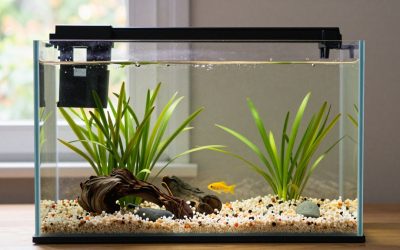
A 10-gallon or larger tank suits a small group of Amano shrimp comfortably, and they are happiest in groups of three or more. Provide live plants such as java moss and anubias, along with rocks and driftwood that offer grazing surfaces and shelter during molting. Gentle filtration is best; a sponge filter or a baffled intake prevents shrimp from being pulled in. Drip-acclimate new shrimp slowly over an hour or more, since these invertebrates react badly to sudden changes in water chemistry. A well-established tank with mature biofilm gives Amano shrimp the steady conditions and natural grazing they need to settle in quickly and stay active.
Feeding, Molting, and Tank Mates
Amano shrimp earn their reputation by grazing on soft algae, leftover food, and detritus throughout the tank, but a clean, well-maintained aquarium rarely grows enough to feed them entirely. Supplement with small amounts of algae wafers, blanched vegetables like zucchini and spinach, and quality shrimp food, taking care not to overfeed. As they grow, Amano shrimp molt, shedding their old shell and leaving a translucent cast that is often mistaken for a dead shrimp; leave the molt in the tank, as shrimp may eat it to recover minerals.
Because they are peaceful and relatively large for dwarf shrimp, Amanos make excellent community tank residents alongside small, non-aggressive fish like tetras, rasboras, and corydoras. Unlike tiny cherry shrimp, adult Amanos are large enough to avoid being eaten by most peaceful fish, though they should not be housed with large or predatory species. Note that Amano shrimp are very difficult to breed in home aquariums because their larvae require brackish water, so a colony will not self-sustain the way cherry shrimp do. Provide hiding spots, stable water, and a varied diet, and these tireless cleaners will keep your tank tidy for years. Their larger size and tireless work ethic make them one of the best long-term cleanup options for planted community tanks, and a small group will visibly reduce algae within a few weeks. They are also peaceful enough that they rarely bother plants or tank mates, simply going about their cleaning work quietly day and night.
Related Guides
- Best Cleaner Fish For Fish Tank 2026
- Best Large Aquarium Fish Tank With Stand 2026
- Best Fish Aquarium Chiller 2026
Frequently Asked Questions
How many Amano shrimp should I keep?
Amano shrimp are social and do best in groups of three or more. A 10-gallon or larger tank comfortably houses a small group, and more shrimp means more effective algae control.
Do Amano shrimp really eat algae?
Yes, Amano shrimp are among the most effective algae eaters available, grazing on soft algae, leftover food, and detritus. In a very clean tank, supplement them with algae wafers and blanched vegetables.
Can Amano shrimp live with fish?
Amanos make great community residents with small, peaceful fish like tetras, rasboras, and corydoras. Their larger size helps them avoid being eaten, but they should not be kept with large or aggressive species.
Why does my Amano shrimp look dead but it isn’t?
What looks like a dead shrimp is often a molt, the translucent empty shell shed as the shrimp grows. Leave it in the tank, since shrimp may eat the molt to recover valuable minerals.
Can Amano shrimp breed in a home aquarium?
Breeding Amano shrimp is very difficult because their larvae require brackish water to survive. Unlike cherry shrimp, an Amano colony will not naturally reproduce and sustain itself in a typical freshwater tank.
Final Thoughts
Amano shrimp are one of the most practical and rewarding invertebrates you can add to a planted or community aquarium. A group of six to ten will keep your tank noticeably cleaner while adding subtle, graceful movement to the aquascape. Provide stable water conditions, a variety of foods, and plenty of hiding spots, and your Amanos will reward you with years of diligent tank maintenance.

Discus Fish Tank Setup: Complete Equipment Guide 2026
Aquarium Algae Types: How to Identify Each One Correctly