Last Updated: October 21, 2026
🛒 Best Price Today on Amazon
Prime members get fast, free shipping on everything above, plus member-only deals. New members get a 30-day free trial — cancel anytime.
Cichlid Fish Care: Bold, Beautiful, and Rewarding
Cichlids are one of the largest and most diverse fish families in the world, with hundreds of species ranging from the 1.5-inch shell-dwelling Neolamprologus multifasciatus to the 24-inch Oscar. What unites them is intelligence, vibrant color, and fascinating behavior—including complex spawning rituals and parental care of fry. However, cichlids are also territorial and can be aggressive, making proper setup and equipment critical for success. Whether you’re keeping African rift lake cichlids, Central American species, or South American discus and rams, here are the products you need.
As an Amazon Associate we earn from qualifying purchases at no extra cost to you.


1. Fluval FX6 High Performance Canister Filter
Large cichlids are messy eaters that produce significant waste. The Fluval FX6 is rated for tanks up to 400 gallons and delivers 563 GPH of multi-stage filtration through a massive 5.9-liter media capacity. Its self-priming pump, integrated purge valve, and monthly maintenance reminder make it a low-effort powerhouse for heavily stocked cichlid tanks. For African cichlid setups in 75–125 gallon tanks, the FX6 provides the robust filtration these demanding fish require.
2. Hikari Cichlid Gold Fish Food
Hikari Cichlid Gold is a floating pellet formulated with enhanced color ingredients including astaxanthin and canthaxanthin for intensifying the reds and oranges in cichlid patterns. The 36% protein content supports the aggressive growth rate of larger cichlid species, while added vitamins and minerals support immune health. Available in mini, medium, and large pellet sizes to suit everything from rams to Midas cichlids. It’s a complete daily diet trusted by cichlid breeders worldwide.
3. CaribSea Arag-Alive African Cichlid Mix Substrate
African rift lake cichlids from Lake Malawi and Lake Tanganyika require hard, alkaline water (pH 7.8–8.5, dGH 10–20). CaribSea’s Arag-Alive African Cichlid Mix is an aragonite-based sand that naturally buffers pH upward and maintains the high hardness these fish need. It also provides a natural spawning substrate for mouthbrooders and shell-dwellers. The natural color tones complement cichlid coloration, and the aragonite slowly dissolves over time, maintaining mineral content.
Cichlid Care Buying Guide
- Tank size: Bigger is always better for cichlids; aggression decreases when fish have room to establish territories.
- Decor: African cichlids need rock piles and caves; Central Americans appreciate driftwood and plants.
- Stocking strategy: Overstocking slightly in African tanks diffuses aggression across more targets; understocking concentrates it.
- pH by species: Africans need pH 7.8–8.5; South Americans (rams, discus) need pH 6.0–7.0.
- Water changes: 25–50% weekly for heavy feeders like Oscars; African tanks can do 20–30% weekly.
- Sexing and breeding: Many cichlids change behavior dramatically when spawning; have a plan for fry management.
Tailoring Your Tank to Cichlid Type
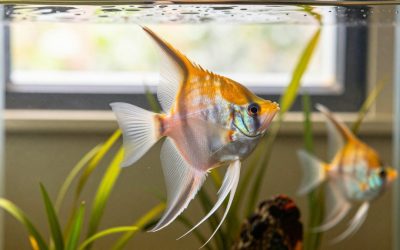
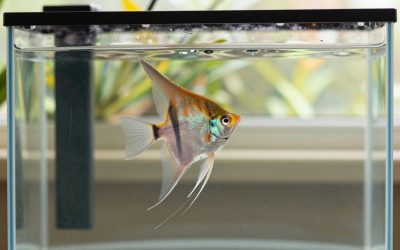
Cichlids are a vast and varied family, so the first step in keeping them well is identifying which type you have, since their needs differ dramatically. African cichlids from the rift lakes, such as those from Lake Malawi and Lake Tanganyika, want hard, alkaline water with a pH around 7.8 to 8.6 and a rocky, cave-filled aquascape. New World cichlids, including South American species like angelfish and many dwarf cichlids, generally prefer softer, slightly acidic water with driftwood and plants. Larger Central American cichlids need spacious tanks and robust filtration to cope with their heavy waste output.
Whatever the origin, cichlids are intelligent, territorial fish that need room and structure. Provide plenty of caves, rocks, and line-of-sight breaks so individuals can establish and defend territories without constant conflict. Strong filtration is non-negotiable, as cichlids are messy eaters that produce a lot of waste, and stable water parameters keep aggression and disease in check.
Diet and Managing Aggression
Feeding the right diet prevents serious health problems. Many African cichlids from Lake Malawi are primarily herbivores and can develop a fatal digestive condition known as bloat if fed too much protein, so they need a vegetable-based diet. Other cichlids are omnivores or carnivores; matching the food to the species is essential. Feed small portions once or twice a day rather than one large meal.
- Crowd to diffuse aggression: In African cichlid tanks, moderate overstocking with strong filtration spreads aggression so no single fish is targeted.
- Provide territories: Rockwork and caves give weaker fish refuge and reduce bullying.
- Watch male-to-female ratios: Keeping several females per male reduces harassment in many species.
Breeding Behavior in Cichlids
Cichlids are famous among aquarists for their fascinating breeding behavior and devoted parental care, which sets them apart from most community fish. Many species form pairs and fiercely guard their eggs and fry, while others are mouthbrooders that carry developing young in their mouths for protection. This dedication is rewarding to watch but intensifies territorial aggression, as breeding fish defend a wide area around their nest. If you keep cichlids long term, expect spawning behavior and plan for it: provide flat rocks or caves as spawning sites, and be ready to manage the heightened aggression or rehome surplus fry, since a successful spawn can quickly fill a tank.
Related Guides
- Best Tank For A Betta Fish 2026
- Freshwater Crayfish Care Guide: Setup, Feeding, and Tank Mate Tips
- Best Fish Aquarium Light Timer 2026
- Best 30-Gallon Fish Tank Stand 2026
- Best Aquarium Ornament Fish Tank Decoration 2026
Frequently Asked Questions
What water parameters do African cichlids need?
Rift lake African cichlids prefer hard, alkaline water with a pH around 7.8 to 8.6 and a temperature near 75 to 82 degrees Fahrenheit. This is quite different from the soft, acidic water that many South American cichlids like, so identify your species first.
Why are my cichlids so aggressive?
Cichlids are naturally territorial, and aggression spikes when there are too few hiding spots or not enough space. Providing abundant caves and rockwork, and in African tanks managing stocking and male-to-female ratios, helps spread out and reduce conflict.
What should I feed my cichlids?
Match the food to the species. Many Lake Malawi cichlids are herbivores that need a vegetable-based diet to avoid digestive bloat, while other cichlids are omnivores or carnivores, so research your particular fish.
Can I keep cichlids with other fish?
Sometimes, but tank mates must be chosen carefully to match the cichlids’ temperament, water needs, and size. Mixing African and South American cichlids is generally discouraged because their water preferences differ.
How big a tank do cichlids need?
It depends on the species; small dwarf cichlids are fine in modest tanks, while larger African and Central American cichlids need substantial volume and strong filtration. Always research the adult size of your specific cichlid before buying.
Final Thoughts
Cichlid keeping is one of the most rewarding niches in the freshwater hobby. Their intelligence, color, and behavioral complexity make them endlessly fascinating. Match your equipment to your species’ specific needs—particularly water chemistry and filtration capacity—and you’ll have thriving, long-lived fish that become true centerpieces of your home.
Do I Need a Heater for Shrimp? An Honest Answer (2026)
Arowana Care Guide: Tank Size, Diet and Lifespan