Last Updated: October 21, 2026
- Top Pick: Swimming Creatures™ Assorted Nerite Snails (6 Pack) Freshwater Aquarium Snails Live
- Best Value: SunGrow Shrimp Rocks, Calcium, Magnesium Rocks for Crayfish, Hermit Crab, Snails, Crustacean Care, Aquarium Decor for Crystal Red, Amano and Ghost Shrimps, Nano Tank Accessories, Fish Tank Supplies
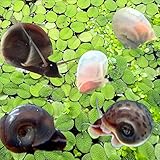
- Premium Choice: 10 Live Ramshorn Snails by Dylfinds for Freshwater Aquarium/Pond Colony Start Clean-up Crew Planorbella Duryi (Variety Mix)
🛒 Best Price Today on Amazon
Prime members get fast, free shipping on everything above, plus member-only deals. New members get a 30-day free trial — cancel anytime.
Why Freshwater Aquarium Snails Are a Great Addition
Freshwater aquarium snails are among the most underrated members of a community tank. These small invertebrates serve as a natural cleanup crew — consuming uneaten food, decaying plant matter, algae, and fish waste that settles on the substrate and decorations. They are peaceful, endlessly fascinating to watch, and hardy enough to survive in a wide range of water conditions. The right snail species can meaningfully reduce your maintenance workload and contribute to a cleaner, more balanced ecosystem.
As an Amazon Associate we earn from qualifying purchases at no extra cost to you.




Not all snails are created equal. Some species breed rapidly and can become pests if overfed, while others reproduce slowly and are well-behaved additions to planted tanks. Understanding the difference between beneficial snails and pest snails helps you make an informed choice for your setup. As a bonus, many snail species are beautiful in their own right, with interesting shell patterns and personalities.
Nerite Snails
Nerite snails are the top recommendation for algae control in planted and community tanks. They consume green spot algae, diatoms, green dust algae, and biofilm with impressive efficiency. The key advantage: nerites require brackish water to reproduce, so they cannot breed in a freshwater tank and will never overpopulate. Available in zebra, tiger, olive, and horned varieties, they are visually striking additions. They reach about 1 inch and are completely safe with fish, shrimp, and plants.
Mystery Snails (Apple Snails)
Mystery snails are large, charismatic snails available in a wide range of colors including golden, blue, ivory, and purple. They reach up to 2 inches in size and are active, visible members of any community tank. Mystery snails eat algae and decaying matter but are generally safe with live plants — unlike some apple snail relatives. They reproduce in freshwater but lay egg clutches above the waterline, giving you control over population growth. An excellent "beginner" snail for new aquarists.
Assassin Snails
Assassin snails are the solution for tanks overrun with pest snails like bladder snails and Malaysian trumpet snails. These small (1–1.5 inch) snails are predatory — they hunt and consume other snails — but are completely safe with fish, shrimp, and plants. Once pest snails are eliminated, assassins switch to accepting meaty foods like fish pellets and bloodworms. They breed slowly, so they will not become a problem themselves. A targeted, natural biocontrol for snail infestations.
What to Know Before Adding Snails to Your Tank
- Choose non-breeding species for control: Nerites are the best choice if you want algae control without population explosion.
- Avoid overfeeding fish: Excess food fuels pest snail population booms; snails breed faster when food is abundant.
- Calcium for shells: Snails need adequate calcium to build strong shells; add a cuttlebone or crushed coral if your water is soft.
- Safe with most fish: Avoid assassin fish (pea puffers, loaches) that will eat pet snails.
- Quarantine before adding: New snails may carry hitchhiker pest snails or pathogens; quarantine for 2 weeks.
- Check lid security: Snails are escape artists; ensure lids fit tightly to prevent drying out on the floor.
Popular Snail Species and Their Roles
Freshwater snails are valued for their algae-grazing, detritus-cleaning habits, and the variety on offer means there is a species for almost any tank. Nerite snails are perhaps the most popular cleanup crew members because they devour algae voraciously yet cannot reproduce in fresh water, so their numbers never explode. Mystery snails are larger and come in attractive colors, adding personality as they cruise the glass. Malaysian trumpet snails burrow through the substrate, aerating it and consuming waste, while ramshorn and bladder snails reproduce quickly and are often considered both helpers and hitchhikers.
Most freshwater snails are peaceful and safe with plants, though it pays to research each species. The key thing to understand is reproduction: many common snails are prolific breeders, and a population boom is almost always a sign of excess food in the tank rather than the snails themselves being a problem. Control numbers by feeding fish carefully and removing uneaten food, and the snail population will naturally stay in check.
Water Parameters and Shell Health
Snails are sensitive to water quality and have one special requirement that fish do not: they need adequate calcium and a stable, neutral-to-alkaline pH to build and maintain healthy shells. In soft, acidic water, snail shells can thin, pit, and erode at the tip. Aim for a pH around 7.0 to 8.0 and moderate hardness, and supplement calcium if needed through a cuttlebone, crushed coral, or specialized invertebrate foods.
- Avoid copper: Copper, found in some medications and plant fertilizers, is toxic to snails, so check product labels carefully.
- Provide grazing surfaces: Snails appreciate driftwood, rocks, and broad leaves where biofilm and algae develop.
- Stable parameters: Snails dislike sudden swings, so acclimate them slowly and keep ammonia and nitrite at zero.
Acclimating and Introducing Snails
Snails are sensitive to sudden changes, so careful acclimation greatly improves their survival. Float the bag to match temperature, then add small amounts of tank water over the course of an hour so the snail adjusts gradually to your water chemistry. Snails sometimes seal up and appear lifeless for a day or two after a move, which is usually just a stress response rather than death. Inspect new snails and any plants they arrive on for hitchhiking pest species or eggs if you want to avoid an unplanned population. With gentle acclimation and stable, calcium-rich water, your snails will soon be cruising the glass and grazing algae.
Related Guides
- Best Fish Tank Stand 55 Gallon 2026
- Best Betta Fish Tank With Divider 2026
- Best Coral Decoration Fish Tank 2026
- Best Fish Tank Stand 75 Gallon 2026
Frequently Asked Questions
Which freshwater snail is best for cleaning algae?
Nerite snails are widely considered the best algae eaters because they graze constantly and cannot breed in fresh water, so they will not overrun your tank. They handle many types of algae, including stubborn green spot algae on the glass.
Why are snails multiplying so fast in my tank?
A rapidly growing snail population is almost always a sign of overfeeding, since extra food fuels their reproduction. Reduce the amount you feed and remove uneaten food, and the numbers will level off on their own.
Do aquarium snails need calcium?
Yes, snails need calcium and a neutral-to-alkaline pH to build strong shells. In soft, acidic water their shells can thin and erode, so adding a cuttlebone, crushed coral, or calcium-rich foods helps keep shells healthy.
Are snails safe with live plants?
Most popular species like nerites and mystery snails primarily eat algae and decaying matter, leaving healthy plants alone. They may nibble dying leaves, which actually helps keep the tank tidy.
Can snails live with fish?
Snails make excellent companions for most peaceful community fish. Just avoid known snail-eaters such as loaches and certain pufferfish and cichlids, which will hunt them.
Final Thoughts
Freshwater aquarium snails are hardworking, attractive, and genuinely beneficial tank inhabitants. Nerite snails offer the best algae control without breeding risk, mystery snails bring color and personality to any community tank, and assassin snails are the natural remedy for pest snail outbreaks. Add the right snails to your setup and enjoy watching your tank become cleaner and more biodiverse with minimal effort on your part.

Best Fish Food for Tropical Fish: Compared by the Numbers

4 Best Drip Acclimation Kits for Fish and Shrimp