Last Updated: October 21, 2026
- Top Pick: Swimming Creatures™ 5 Panda Cory Catfish Live Fish – Corydoras Panda – Peaceful Freshwater Bottom Dweller for Community Aquariums, Tank Raised Aquarium Fish
- Best Value: Swimming Creatures™ Live Corydoras Catfish – Peaceful Freshwater Bottom Dweller for Community & Planted Aquariums (6, STERBAI CORYDORAS)
- Premium Choice: Swimming Creatures™ Live Corydoras Catfish – Peaceful Freshwater Bottom Dweller for Community & Planted Aquariums (6, Albino CORYDORAS)
🛒 Best Price Today on Amazon
Prime members get fast, free shipping on everything above, plus member-only deals. New members get a 30-day free trial — cancel anytime.
Top Kuhli Loach Care Peaceful Bottom Picks for 2026
Here are our current top kuhli loach care peaceful bottom picks, compared on real Amazon owner reviews, price, and features. Live prices update below.
As an Amazon Associate we earn from qualifying purchases at no extra cost to you.


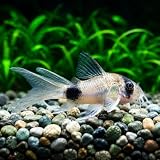
The kuhli loach (Pangio kuhlii and closely related species) is one of the aquarium hobby’s most endearing oddballs. Looking more like a tiny eel than a typical fish, this slender, banded scavenger spends its days hidden among roots and decor before emerging at night to wriggle across the substrate in search of food. Peaceful, social, and endlessly entertaining once it settles in, the kuhli loach is a wonderful bottom-dweller for a calm community tank, provided you give it soft sand, plenty of cover, and the company of its own kind.
Species Overview
Kuhli loaches reach about 3 to 4 inches (8-10 cm) and can live 7 to 10 years with good care, making them a long-term commitment. Native to the slow streams and leaf-littered waters of Southeast Asia, they sport alternating dark and light bands along an elongated, worm-like body. They are completely peaceful and lack the aggression of many other loaches. Their main quirks are shyness and a nocturnal nature: a new kuhli loach may vanish for days, which is normal as it acclimates. With patience and the right setup, they grow bold enough to feed in the open.
Because kuhlis are slow to adjust and sensitive to poor conditions, only add them to a mature, fully cycled aquarium. If you are setting up a new tank, our fish tank setup guide covers cycling and stabilizing water first.
Tank Setup & Water Parameters
A group of kuhli loaches needs a minimum of about 20 gallons, with more space appreciated. The single most important detail is the substrate: kuhlis love to burrow and have delicate, scaleless bodies, so a soft sand substrate is strongly preferred over sharp gravel that can scratch them. Our aquarium sand guide can help you pick a fine, smooth option, and the planted-tank substrate guide is useful if you want a planted layout.
Equally important is cover. Kuhlis feel safe only when they have abundant hiding places such as driftwood, caves, dense plants, and leaf litter. The more secure they feel, the more often they will explore in daylight. Browse our cave and hiding spot picks and consider a planted aquarium layout for the kind of shaded, sheltered environment they thrive in. Make sure your filter intake is covered, as these thin fish can squeeze into surprisingly small gaps.
| Parameter | Recommended Range |
|---|---|
| Temperature | 75-82°F (24-28°C) |
| pH | 6.0-7.5 |
| General Hardness (GH) | 3-10 dGH |
| Ammonia / Nitrite | 0 ppm |
| Nitrate | Below 20 ppm |
Keep temperatures steady with a quality heater (see our heater buyer's guide), and because kuhlis prefer soft, slightly acidic water, our GH and KH guide will help you dial in the right hardness.
Diet & Feeding
Kuhli loaches are omnivorous scavengers that forage along the bottom for sinking foods. They will happily eat sinking pellets and wafers, frozen and live foods such as bloodworms, daphnia, and brine shrimp, and leftover bits that drift down from upper-level fish. Because they feed mostly at night, it helps to drop food in just before lights-out so they get their share rather than losing it to faster daytime feeders.
Avoid relying on them as a cleanup crew alone; they need their own dedicated food. A varied diet keeps them healthy and brings out their best color. For a rundown of suitable sinking and frozen options, see our aquarium fish food types guide. They will also nibble at biofilm and may take a few pest snails, though they are not a snail-control solution; our freshwater snail guide explains true snail management.
- Staples: sinking wafers and pellets, plus frozen bloodworms and daphnia
- Timing: feed in the evening so nocturnal kuhlis get enough
- Tip: rotate foods for variety and watch that bottom feeders are actually eating
Tank Mates & Behavior
Kuhli loaches are social and should be kept in groups of at least 5 or 6. In a proper group they are far more active and confident, often piling together in shared hiding spots. Kept singly, they tend to hide constantly and may become stressed. They are entirely peaceful and ignore tank mates, making them ideal for calm community setups.
Pair them with other gentle, non-aggressive fish that occupy the upper and middle water column, such as small tetras, rasboras, and peaceful livebearers. Our guides to the harlequin rasbora and hatchetfish cover excellent surface and mid-water companions. Avoid large or aggressive fish that might eat or harass these slender loaches. Peaceful invertebrates like Amano shrimp generally coexist well. If you keep bettas, our betta tank mate guide discusses compatible bottom-dwellers.
Common Health Issues
As scaleless fish, kuhli loaches are extra sensitive to water quality and medications. They absorb chemicals readily, so always dose treatments carefully and watch them closely. Stable, clean water is the foundation of kuhli health; our guide to unstable water helps catch problems early.
- Ich (white spot): kuhlis are prone to ich and sensitive to copper-based meds, so use gentle, scaleless-safe approaches; see our ich treatment guide.
- Skin and barbel damage: sharp gravel can injure them, so stick to soft sand.
- Medication sensitivity: use half-dose or scaleless-safe treatments and monitor closely.
- Stress from isolation: too few loaches leads to chronic hiding and poor condition.
For symptom identification across common illnesses, keep our fish disease diagnostic guide handy.
Frequently Asked Questions
How many kuhli loaches should I keep together?
Keep a minimum of 5 or 6. They are social shoaling fish that feel secure and behave naturally only in a group. Larger groups produce even more confident, active fish.
Why is my kuhli loach hiding all the time?
Hiding is normal, especially for new or under-grouped kuhlis. Provide more cover, keep them in a proper group, and feed in the evening. Over time they usually become bolder and venture out more.
Do kuhli loaches need sand substrate?
Soft sand is strongly recommended. Kuhlis like to burrow and have delicate scaleless bodies, so sharp gravel can injure them. Fine, smooth sand is the safest and most natural choice.
Are kuhli loaches good for beginners?
They are peaceful and hardy once established, but they require a mature, stable tank, soft substrate, and patience for their shy nature. They suit a careful beginner with a cycled tank more than a brand-new setup.
Will kuhli loaches eat my snails?
They may nibble tiny pest snails but are not reliable snail controllers. Do not count on them to manage a snail outbreak; address the root cause of snail booms instead.

Top-Rated Aquarium Algae Scrapers and Glass Cleaners for Crystal-Clear Tanks
Molly Fish Care: Hard Water, Diet and Tank Size