Last Updated: October 4, 2026
- Why Choose a Live Planted Fish Tank?
- Essential Equipment for Your Live Planted Setup
- Selecting the Right Live Plants for Beginners
- Choosing Compatible Fish for Your Live Planted Aquarium
- Step-by-Step Live Planted Fish Tank Setup Guide
- Ongoing Maintenance for a Thriving Live Planted Tank
- Common Challenges and Solutions
- Expert Tips for a Flourishing Live Ecosystem
- Frequently Asked Questions About Live Planted Fish Tanks
- Final Thoughts
- Related Articles
- Related Guides
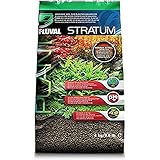
- Top Pick: Fluval 12694 Plant and Shrimp Stratum for Freshwater Fish Tanks, 8.8 lbs.
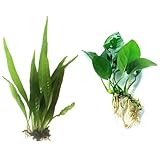
- Best Value: Java Fern and Anubias Aquarium Plant Bundle – Live Freshwater Plants for Aquascaping, Low Maintenance, Easy Beginner Friendly Decor for Fish Tank
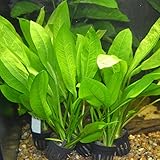
- Premium Choice: Amazon Sword – Echinodorus Bleheri x3 Plants – Live Aquarium Plant
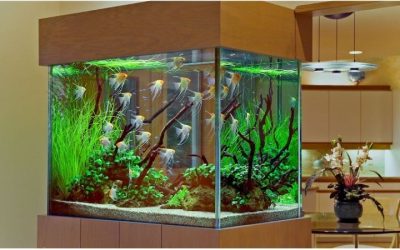
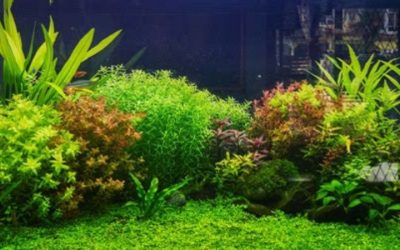
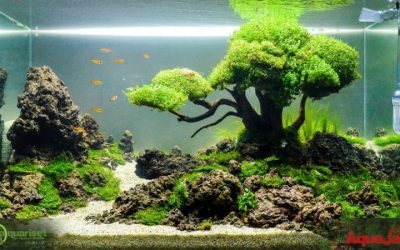
Diving into the world of aquariums can be an incredibly rewarding experience, and setting up a live planted fish tank takes that joy to an entirely new level. Imagine a vibrant underwater landscape teeming with life, where lush green plants sway gently, providing a natural habitat and serene environment for your aquatic companions. More than just visually appealing, a live planted aquarium creates a mini ecosystem that benefits both your fish and the tank’s overall health, often simplifying long-term maintenance. This comprehensive guide will walk you through everything you need to know to establish a flourishing live planted fish tank, especially tailored for beginners aiming for success in 2026 and beyond.
As an Amazon Associate we earn from qualifying purchases at no extra cost to you.



🛒 Best Price Today on Amazon
Prime members get fast, free shipping on everything above, plus member-only deals. New members get a 30-day free trial — cancel anytime.
Why Choose a Live Planted Fish Tank?
Opting for a live planted fish tank over one with artificial decorations brings a multitude of advantages that contribute to a healthier, more stable, and aesthetically pleasing aquatic environment. These benefits are particularly significant for beginners looking to foster a thriving ecosystem.
- Natural Filtration and Oxygenation: Live plants actively absorb harmful nitrates, ammonia, and other waste products produced by fish and decaying food. This biological filtration significantly improves water quality, reducing the frequency of necessary water changes. Through photosynthesis, plants also release oxygen into the water, vital for fish respiration, especially in tanks with limited surface agitation.
- Algae Control: Healthy live plants outcompete algae for nutrients and light. By establishing a robust plant population, you naturally limit the resources available to nuisance algae, keeping your tank cleaner and clearer.
- Stress Reduction for Fish: Plants provide natural hiding spots and territories for fish, reducing stress and aggression. This sense of security encourages fish to exhibit more natural behaviors and vibrant coloration. A fish tank live with plants mimics their natural environment, promoting their well-being.
- Enhanced Aesthetics: There’s no denying the beauty of a lush, green underwater garden. Live plants add depth, texture, and natural beauty that artificial decorations simply cannot replicate, transforming your aquarium into a living work of art.
- Ecosystem Creation: A planted tank is a miniature self-sustaining ecosystem. The interplay between plants, beneficial bacteria, and fish creates a balanced environment that is both fascinating to observe and easier to maintain once established.
Essential Equipment for Your Live Planted Setup
Setting up a successful live planted fish tank requires more than just an aquarium and water. Investing in the right equipment from the start will lay a solid foundation for your underwater garden and its inhabitants.
The Aquarium Itself
For beginners, starting with a tank in the 10-20 gallon range is often recommended. Smaller tanks (under 10 gallons) can be more challenging to keep stable due to rapid parameter fluctuations, while very large tanks can be costly and intimidating to maintain initially. Consider the space you have available and the type of fish you wish to keep.
- Size Considerations: A larger water volume provides greater stability for water parameters, making it more forgiving for beginners. A 20-gallon long tank (30 inches wide) offers ample swimming space and a good footprint for aquascaping.
- Material: Glass aquariums are durable, scratch-resistant, and don’t yellow over time. Acrylic tanks are lighter and more impact-resistant but prone to scratching.
- Shape: Standard rectangular tanks are generally easiest for lighting and equipment placement.



As an Amazon Associate we earn from qualifying purchases. Product prices and availability are accurate as of the date/time indicated.
Lighting
Lighting is paramount for live plants as it drives photosynthesis. Not all aquarium lights are suitable for growing plants. You’ll need a light specifically designed for plant growth, often labeled as “full spectrum” or “plant growth LEDs.”
- Types: LED lights are energy-efficient, long-lasting, and offer customizable spectrums and intensities, making them ideal for planted tanks.
- Intensity and Duration: The intensity should match your plants’ needs (low-light, medium-light, high-light). A general rule for planted tanks is 8-10 hours of light per day, controlled by a timer.
Substrate
The substrate isn’t just for aesthetics; it’s the foundation for your plants’ root systems and a crucial source of nutrients.
- Nutrient-Rich Substrates: Specialized plant substrates (like aqua soil or fluorite) are highly recommended. They are porous, provide essential nutrients, and often buffer the water to a slightly acidic pH preferred by many plants.
- Gravel or Sand: If using inert gravel or sand, ensure it’s fine enough for roots to penetrate, and supplement with root tabs or a nutrient-rich base layer. Avoid coarse gravel that can trap detritus.
Filtration
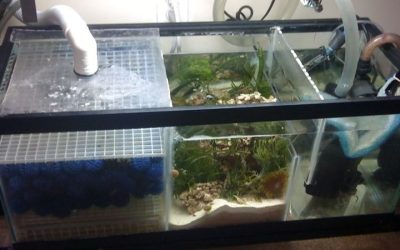
A good filter is essential for maintaining water quality. For planted tanks, you generally want a filter that provides good biological and mechanical filtration without creating too strong a current that can disturb plants or smaller fish.
- Types: Hang-on-back (HOB) filters, canister filters, or sponge filters are common choices. Canister filters often offer the most customizable media options and powerful filtration for larger tanks.
- Gentle Flow: Some planted tank enthusiasts opt for filters with adjustable flow or use spray bars to diffuse the current.
Heating
Most tropical fish and plants thrive in stable water temperatures, typically between 74-80°F (23-27°C).
- Thermostat-Controlled Heaters: Invest in a reliable submersible heater with an accurate thermostat to maintain a consistent temperature.
- Sizing: Choose a heater appropriate for your tank size (e.g., 5 watts per gallon is a common guideline).
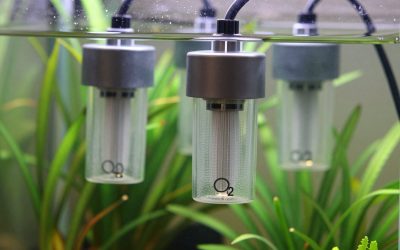
CO2 System (Optional but Recommended for Growth)
While not strictly necessary for all low-light plants, supplemental carbon dioxide (CO2) can dramatically boost plant growth, health, and vibrancy, especially for medium to high-light plants.
- Pressurized CO2: The most effective method, involving a CO2 tank, regulator, diffuser, and check valve.
- DIY CO2: Cheaper but less stable and effective, often using yeast and sugar.
- Liquid Carbon: Not true CO2, but carbon-based supplements that aid plant growth and can inhibit some algae.
Other Essential Tools
- Water Test Kit: Essential for monitoring ammonia, nitrite, nitrate, and pH levels during cycling and ongoing maintenance.
- Siphon and Buckets: For efficient water changes and gravel vacuuming.
- Aquarium Net: For safely moving fish.
- Plant Tweezers and Scissors: Specialized long-handled tools make planting and trimming much easier without getting your hands too wet.
- Glass Cleaner/Algae Scraper: To keep your tank panes sparkling clear.
Selecting the Right Live Plants for Beginners
The key to a successful live planted fish tank for beginners is choosing hardy, low-maintenance plants that thrive in a range of conditions and don’t demand intense light or CO2 injection. Here are some excellent choices:
- Anubias Nana: Extremely hardy, low light, can be attached to driftwood or rocks (don’t bury the rhizome).
- Java Fern (Microsorum pteropus): Another robust, low-light plant that attaches to hardscape. Tolerates various water parameters.
- Cryptocoryne (various species like C. wendtii): Beautiful, slow-growing foreground to midground plants that do well in low to medium light. Can ‘melt’ initially but will recover.
- Amazon Sword (Echinodorus amazonicus): A larger background plant that needs a nutrient-rich substrate and moderate light. Great for creating a lush backdrop.
- Vallisneria (various species): Tall, grass-like background plants that multiply easily. Adaptable to different light conditions.
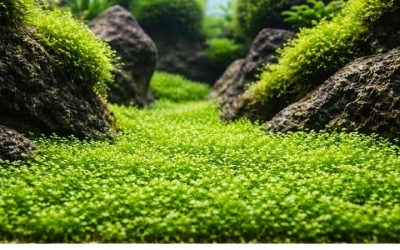
- Java Moss (Taxiphyllum barbieri): Versatile and easy to grow, often used to create moss walls or carpet areas, providing great hiding spots.
When buying plants, look for vibrant green leaves, no signs of melting or excessive algae, and a healthy root system. Quarantine new plants if possible to avoid introducing pests or diseases.




As an Amazon Associate we earn from qualifying purchases. Product prices and availability are accurate as of the date/time indicated.
Choosing Compatible Fish for Your Live Planted Aquarium
The success of your live planted fish tank also hinges on selecting fish that won’t decimate your carefully cultivated greenery. While many fish are plant-friendly, some species are notorious for nibbling or uprooting plants. Focus on peaceful community fish that prefer a planted environment.
- Avoid Plant Eaters: Steer clear of species like Silver Dollars, some larger Cichlids (e.g., Oscars), Goldfish, and certain large Plecos, as they tend to view plants as snacks.
- Peaceful Community Fish:
- Tetras (Neon, Cardinal, Rummy-nose): Small, schooling fish that thrive in planted tanks, adding vibrant color.
- Guppies & Mollies: Hardy livebearers that are active and colorful.
- Corydoras Catfish: Peaceful bottom dwellers that help keep the substrate clean without uprooting plants.
- Otocinclus Catfish: Excellent algae eaters that are gentle on plants.
- Rasboras (Harlequin, Chili): Small, schooling fish that are visually striking and prefer planted environments.
- Dwarf Gouramis: Beautiful, relatively peaceful fish that add a different body shape and behavior to the tank.
- Stocking Density: Always research the adult size and temperament of your chosen fish. A common guideline is 1 inch of fish per gallon of water for small, slender fish, but this is a rough estimate. Err on the side of understocking, especially in a live planted fish tank, to maintain water quality and reduce stress.



As an Amazon Associate we earn from qualifying purchases. Product prices and availability are accurate as of the date/time indicated.
Step-by-Step Live Planted Fish Tank Setup Guide
Setting up your live planted fish tank is an exciting process. Follow these steps for a smooth and successful start.
Preparation
- Clean Everything: Rinse your tank thoroughly with water (no soap!) to remove dust and manufacturing residues. Rinse your substrate until the water runs clear.
- Tank Placement: Choose a sturdy stand that can support the immense weight of a filled aquarium. Place it away from direct sunlight (to avoid excessive algae) and high-traffic areas.
Substrate Layering
- Nutrient Layer (Optional but Recommended): If using inert gravel, add a layer of specialized plant substrate or nutrient-rich soil first. This provides a long-term food source for roots.
- Cap Layer: Cover the nutrient layer with 2-3 inches of inert gravel or sand. This prevents the nutrient layer from clouding the water and keeps nutrients where the roots can access them. Create slopes and contours for visual interest.
Hardscaping
Arrange your rocks, driftwood, and other decorations. This is the skeleton of your aquascape. Ensure everything is stable and won’t fall or shift. Boil or soak driftwood extensively beforehand to release tannins and prevent excessive floating.
Planting
- Damp Substrate: It’s easier to plant in a damp substrate rather than a fully submerged one. You can add just enough water to barely cover the substrate.
- Planting Technique: Use plant tweezers to carefully insert plant roots into the substrate. For stem plants, plant individual stems, not bunches, to prevent rot. For rhizome plants (Anubias, Java Fern), attach them to hardscape with fishing line or super glue gel; do not bury the rhizome.
- Fill Slowly: Once plants are in place, slowly add water to the tank. Place a plate or plastic bag on the substrate to diffuse the incoming water and prevent disturbing your plants and substrate.
Equipment Installation
Install your filter, heater, and lighting. Ensure the heater is fully submerged before plugging it in. Set your light timer for 8-10 hours a day.
The Nitrogen Cycle
This is arguably the most crucial step for any new aquarium. The nitrogen cycle establishes beneficial bacteria that convert toxic ammonia and nitrite into less harmful nitrates.
- Fishless Cycling: The safest method. Add an ammonia source (e.g., pure ammonia, fish food, or commercial cycling products) and monitor water parameters (ammonia, nitrite, nitrate) daily until ammonia and nitrite consistently read zero, and nitrates are present. This can take 2-6 weeks.
- Patience: Do NOT add fish until the tank is fully cycled. Adding fish too early will expose them to toxic compounds and likely result in their death.
Ongoing Maintenance for a Thriving Live Planted Tank
Consistency is key to keeping your live planted fish tank healthy and beautiful.
- Water Changes: Perform weekly water changes of 20-30%. Use a gravel vacuum to remove detritus from the substrate surface. Always use a dechlorinator.
- Fertilization: Even with a nutrient-rich substrate, plants will eventually deplete nutrients from the water column. Supplement with liquid fertilizers (macro and micro-nutrients) or root tabs as needed, following product instructions.
- Trimming Plants: Regularly trim overgrown plants to encourage bushier growth and prevent them from shading out other plants or blocking light. Remove any dying or yellowing leaves.
- Algae Control: While plants help, some algae can still appear. Address the root cause (too much light, excess nutrients). Use algae scrapers or consider adding algae-eating inhabitants like Otocinclus or Amano shrimp.
- Monitoring Water Parameters: Periodically test your water for pH, ammonia, nitrite, and nitrate to catch problems early.
- Feeding Fish: Feed your fish a high-quality, varied diet, offering only what they can consume in a few minutes to avoid overfeeding and excess waste.
Common Challenges and Solutions
Even with careful planning, you might encounter some common issues in your live planted fish tank. Knowing how to address them can save you a lot of frustration.
- Algae Outbreaks: Often caused by too much light, too many nutrients, or insufficient CO2. Reduce light duration, introduce algae eaters, increase water changes, or adjust fertilizer dosage.
- Plant Melting/Poor Growth: New plants often ‘melt’ back as they adapt to your tank’s conditions; this is normal. Persistent melting or poor growth can indicate a lack of light, CO2, or essential nutrients. Check your light intensity, consider CO2 supplementation, and ensure you’re fertilizing correctly.
- Fish Diseases: Usually a result of poor water quality, stress, or new introductions. Maintain stable water parameters, quarantine new fish, and act quickly with appropriate treatments if disease appears.
Expert Tips for a Flourishing Live Ecosystem
To truly excel in the hobby of live planted aquariums, keep these expert insights in mind:
- Patience is Key: A healthy live planted fish tank takes time to establish. Don’t rush the cycling process, and understand that plants need time to grow and fill in.
- Research Thoroughly: Before adding any fish or plant, research its specific needs regarding temperature, pH, light, CO2, and compatibility with other species.
- Start Simple: Begin with hardy, low-light plants and easy-to-care-for fish. As you gain experience, you can gradually introduce more demanding species.
- Don’t Overstock: An overcrowded tank leads to poor water quality, stressed fish, and increased maintenance. Less is often more.
- Consistency in Maintenance: Regular water changes, feeding, and monitoring are far more effective than infrequent, large interventions. Establish a routine and stick to it.
- Observe Your Tank: Spend time watching your fish and plants. They will often give you clues about their health and any potential problems.
Frequently Asked Questions About Live Planted Fish Tanks
How often should I do water changes in a live planted tank?
Even with live plants helping to filter nitrates, regular water changes are essential. Aim for a 20-30% water change weekly to replenish essential minerals, remove accumulated detritus, and maintain stable water parameters. Plants utilize nitrates, but they don’t remove everything.
Can I put any fish in a live planted tank?
No. While many fish thrive in planted tanks, some species, particularly larger omnivores or herbivores like Silver Dollars, some Cichlids, and certain Plecos, will readily eat or uproot live plants. Always research fish compatibility with plants before introducing them to your tank.
Do live plants really help with algae?
Yes, significantly. Healthy, growing live plants outcompete algae for nutrients (especially nitrates and phosphates) and light. By establishing a dense canopy of plants, you effectively starve algae of the resources it needs to proliferate. This makes algae control much easier, though it doesn’t eliminate it entirely.
What’s the best lighting schedule for live plants?
For most planted tanks, especially for beginners with low to medium light plants, an 8-10 hour photoperiod is ideal. Using a timer is highly recommended for consistency. Too much light can lead to excessive algae growth, while too little will stunt plant growth.
Is CO2 essential for all live planted tanks?
No, CO2 supplementation is not essential for all live planted tanks. Many hardy, low-light plants (like Anubias, Java Fern, and Cryptocoryne) can thrive without supplemental CO2, relying on the CO2 naturally present in the water. However, if you want to grow more demanding plants, achieve faster growth, or create a lush, high-tech planted tank, a CO2 system will be highly beneficial.
Final Thoughts
Embarking on the journey of setting up a live planted fish tank is an incredibly rewarding endeavor that brings a piece of nature’s tranquility into your home. By understanding the essentials – from choosing the right equipment and plants to diligent maintenance and patience – you can create a stunning, self-sustaining ecosystem that thrives for years to come. Remember, every aquarist started as a beginner, and with this guide, you have the foundational knowledge to establish a beautiful and healthy live planted fish tank in 2026 and beyond. Happy aquascaping!
Related Reviews & Guides


Quick Picks: Aquarium Plant Java Fern & Anubias

Aquarium Tweezers Stainless Steel