Last Updated: October 4, 2026
🛒 Best Price Today on Amazon
Prime members get fast, free shipping on everything above, plus member-only deals. New members get a 30-day free trial — cancel anytime.
Why Live Aquarium Plants Belong in Every Tank
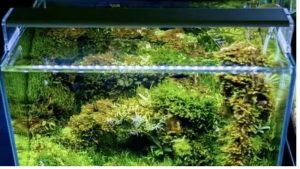
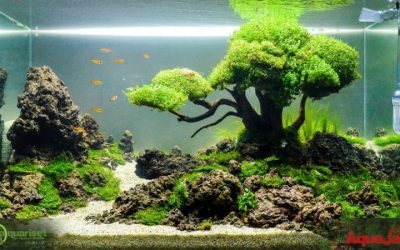
Live aquarium plants do far more than look beautiful. They absorb nitrates, outcompete algae for nutrients, produce oxygen during photosynthesis, and provide cover and spawning sites for fish and invertebrates. For beginners, easy low-light plants require minimal equipment and maintenance. For experienced hobbyists, demanding high-light species create show-stopping planted scapes. Here are the most popular live aquarium plants and what to know before purchasing.
As an Amazon Associate we earn from qualifying purchases at no extra cost to you.


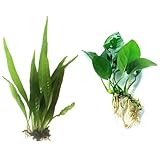


1. Anubias (Anubias barteri)
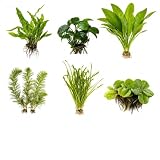
Anubias is one of the most beginner-friendly and widely available live aquarium plants. It thrives under low to moderate light and grows slowly, which means minimal pruning. Anubias should be attached to rocks or driftwood rather than buried in substrate — burying the rhizome causes rot. Its broad, dark green leaves provide excellent cover for bottom-dwelling fish and shrimp, and it rarely melts or declines even in less-than-ideal conditions, making it a reliable staple in virtually any freshwater setup.
2. Amazon Sword (Echinodorus grisebachii)
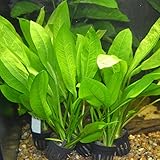
The Amazon sword is a classic background plant that produces large, lance-shaped leaves and can grow up to 20 inches tall in favorable conditions. It is a heavy root feeder, so a nutrient-rich substrate or root tabs placed near its base are essential for vigorous growth. Amazon swords work best in tanks 20 gallons or larger and pair beautifully with schools of tetras or angelfish in a South American biotope. Under moderate lighting, they grow reliably and require only occasional trimming of older leaves.
3. Hornwort (Ceratophyllum demersum)
Hornwort is one of the fastest-growing and most adaptable live aquarium plants available. It thrives in a wide range of water parameters and light conditions, making it ideal for beginner tanks. Hornwort absorbs nitrates and ammonia rapidly, which helps control algae and supports biological filtration. It can be planted in substrate or left floating — floating hornwort grows particularly quickly and provides excellent cover for fry and surface-dwelling species like hatchetfish and mosquito fish.
Buying Guide: Selecting Live Aquarium Plants
- Light requirements: Match plant light needs to your fixture. Low-light plants (anubias, java fern) work under basic LED strips; high-light plants (stem plants, carpeting plants) need powerful full-spectrum lighting.
- Nutrient source: Root feeders need enriched substrate or root tabs; water column feeders rely on liquid fertilizers.
- Growth rate: Fast-growing plants (hornwort, water sprite) outcompete algae quickly but need frequent trimming. Slow growers (anubias, bucephalandra) are low-maintenance but take longer to fill out.
- Quarantine: Rinse new plants and quarantine if possible to prevent introducing snails, parasites, or algae into established tanks.
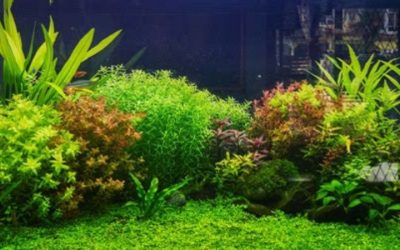
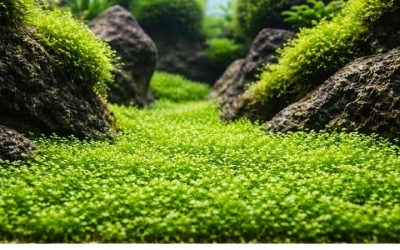
- Plant combos: Layer tall background plants, medium midground plants, and low foreground species (like dwarf baby tears or monte carlo) for depth and visual interest.
Easy Live Plants for Any Skill Level
Live aquarium plants improve water quality by absorbing nitrogen compounds, provide cover that reduces fish stress, and compete with algae for nutrients. For aquarists at any level, a handful of hardy species rarely disappoint. Anubias and java fern are nearly bulletproof; they attach to driftwood or rock rather than being planted in substrate, tolerate low light, and grow slowly with little fuss. Cryptocorynes are excellent rooted plants for the midground that thrive in a range of conditions once established, and various mosses like java moss attach to almost any surface and offer superb cover for fry and shrimp.
These easy species share important traits: they tolerate low to moderate light, do not require pressurized CO2, and grow slowly enough to stay manageable. For more advanced or high-light tanks, faster-growing stem plants and demanding carpeting species become options, but they need stronger light, CO2 injection, and more consistent fertilization. Beginners are wise to master the hardy plants first, since success with them builds the foundation and confidence needed to take on more demanding species later.
Planting, Lighting, and Plant Care
Proper planting technique varies by plant type and is key to success. Rhizome plants like anubias and java fern must have their rhizome left exposed and only their roots or attachment point secured to hardscape; burying the rhizome causes it to rot. Rooted plants such as cryptocorynes go into the substrate with their crown at or just above the surface. Many plants benefit from root tabs in inert substrates, while water-column feeders respond well to liquid fertilizer.
Lighting and a consistent routine keep plants healthy. A photoperiod of roughly 6 to 8 hours per day suits most planted tanks and helps limit algae, since longer light periods often fuel algae rather than faster growth. Trim overgrown plants to encourage bushier growth, and remove dying or melting leaves promptly so decaying matter does not feed algae. Newly purchased plants, especially cryptocorynes, sometimes “melt” and shed leaves as they adjust to new conditions, then regrow from the roots, so patience during the transition is important. With the right plants and steady care, a planted tank becomes a self-balancing, beautiful ecosystem.
Frequently Asked Questions
What are the easiest live aquarium plants?
Anubias, java fern, cryptocoryne, and mosses like java moss are among the hardiest. They tolerate low light, need no CO2, and grow slowly, making them forgiving for beginners.
Do live aquarium plants need CO2?
Hardy plants like anubias and java fern grow fine without added CO2. Pressurized CO2 is mainly needed for demanding carpeting plants and high-light, fast-growth setups.
How long should aquarium plant lights stay on?
A photoperiod of about 6 to 8 hours per day works for most planted tanks and helps control algae. Running lights longer often encourages algae rather than speeding up plant growth.
Why is my new plant losing leaves?
Many plants, especially cryptocorynes, “melt” and shed leaves while adjusting to new water conditions, then regrow from the roots. Leave the roots in place and be patient through the transition.
Should I bury the rhizome of anubias or java fern?
No. Their rhizome must stay exposed and only the roots or attachment point should be secured to wood or rock. Burying the rhizome causes it to rot and the plant to decline.
Final Thoughts
Live aquarium plants are one of the best upgrades you can make to any freshwater tank. They improve water quality, reduce algae, and create a natural habitat that keeps fish healthier and more vibrant. Start with beginner-friendly species like anubias and hornwort, then advance to more demanding plants as your confidence grows.
Related Reviews & Guides


Best Aquascaping Tool Set With Tweezers and Scissors: Top
Best Clip On Aquarium Light for Planted Tank: Top Picks