Last Updated: October 21, 2026
- Top Pick: Aquarium Plant Fertilizer – Liquid Plant Food for Lush Underwater Growth, Vibrant Color & Strong Root Development, 8 oz
- Best Value: API LEAF ZONE Freshwater Aquarium Plant Fertilizer 18-Ounce Bottle White
- Premium Choice: Thrive Planted Aquarium Fertilizer -All in One Planted Tank Liquid Fertilizers – Micro & Macro Nutrient Rich Food for Aquatic Plants – Highly Concentrated for 2500 Gallons of Water – Handy Pump Bottle
🛒 Best Price Today on Amazon
Prime members get fast, free shipping on everything above, plus member-only deals. New members get a 30-day free trial — cancel anytime.
Boost Your Planted Tank With the Right Fertilizer
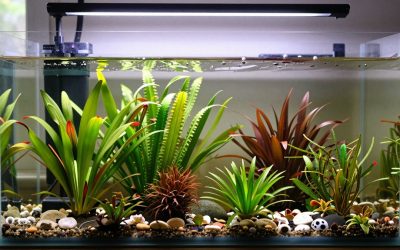
Healthy aquatic plants need more than just light and CO2. A quality planted aquarium fertilizer supplies the essential macro and micronutrients your plants need to grow vibrant, green, and algae-free. Whether you run a low-tech or high-tech planted tank, dosing the correct fertilizer can transform a struggling setup into a lush underwater garden. In this guide, we cover the top fertilizer picks and what to look for before buying.
As an Amazon Associate we earn from qualifying purchases at no extra cost to you.





1. Seachem Flourish Comprehensive Plant Supplement
Seachem Flourish is one of the most trusted names in planted tank nutrition. This comprehensive supplement delivers a wide spectrum of micronutrients including iron, manganese, and zinc that support healthy leaf development and vibrant coloration. It works well in both low-tech and CO2-injected tanks, making it a versatile choice for beginners and experienced hobbyists alike. Dose once or twice weekly for best results.
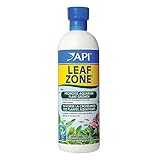
2. API Leaf Zone Aquarium Plant Food
API Leaf Zone is formulated specifically to promote broad leaf and stem plant growth. It provides chelated iron and potassium — two of the most commonly deficient nutrients in planted tanks. The easy-squeeze bottle makes weekly dosing straightforward, and the formula is safe for fish and invertebrates. It is particularly effective for fast-growing stem plants and floating species that demand high potassium levels.
3. NilocG Thrive All-in-One Planted Tank Fertilizer
NilocG Thrive is a concentrated all-in-one liquid fertilizer that simplifies the dosing process for planted aquarium keepers. It contains NPK (nitrogen, phosphorus, potassium) along with a full suite of micronutrients, eliminating the need for multiple separate bottles. Available in standard and plus formulas for high-tech CO2 tanks, Thrive is especially popular among hobbyists who want a single product that covers all nutrient bases.
Buying Guide: Choosing the Best Aquarium Fertilizer
- Liquid vs. substrate: Liquid fertilizers feed plants through the water column, while root tabs target heavy root feeders. Many planted tanks benefit from using both.
- Macro vs. micro nutrients: Macros (NPK) drive bulk plant growth; micros (iron, manganese, etc.) support color and enzyme function. Look for a formula that includes both.
- Tank type: Low-tech tanks with minimal CO2 need lighter dosing than high-tech setups. Choose a formula calibrated to your system.
- Fish and shrimp safety: Most quality fertilizers are safe at recommended doses, but avoid products with heavy copper content if you keep sensitive invertebrates.
- Concentration: Concentrated formulas offer better value over time. Always follow dosing instructions to avoid nutrient overdose and algae outbreaks.
Understanding Aquarium Plant Nutrients
Aquatic plants need a balance of nutrients to grow, divided into macronutrients and micronutrients. The macronutrients nitrogen, phosphorus, and potassium are used in larger amounts and drive overall growth, while micronutrients, often called trace elements, include iron, manganese, and others needed in tiny quantities but essential for healthy leaves and color. A deficiency in any one nutrient can stall growth or cause symptoms like yellowing leaves, holes, or stunted new growth, even when the others are abundant, because plants can only grow as well as their most limiting nutrient allows.
Fertilizers come in two main forms: liquid dosing that delivers nutrients to the water column, and root tabs that feed nutrient-hungry root systems directly in the substrate. Stem plants and floating plants absorb much of their nutrition from the water column, making liquid fertilizers ideal for them, while heavy root-feeders like swords and cryptocorynes benefit greatly from root tabs tucked into the substrate near their roots. Many planted tanks use both methods together for comprehensive coverage.
Dosing Fertilizer and Keeping Algae in Check
The key to fertilizing is matching nutrient input to your tank’s demand, which depends on light intensity and plant mass. A low-light tank with hardy plants needs only modest dosing, while a brightly lit, densely planted tank consumes nutrients quickly and needs more. Follow the dosing instructions on your chosen fertilizer as a starting point, then adjust based on how the plants respond, increasing if growth is pale or stalled and easing back if algae begins to appear. Consistency in dosing schedule matters as much as the amount.
Excess nutrients, particularly when light outpaces plant uptake, can feed algae rather than plants, so balance is everything. If algae appears alongside fertilization, the usual fix is to ensure the plants can actually use the nutrients by checking that light and CO2 are adequate, or to reduce the dose and photoperiod. Regular partial water changes export surplus nutrients and reset trace elements, helping prevent buildup. Fast-growing plants are powerful allies, outcompeting algae for the same nutrients, which is why heavily planted tanks dosed consistently tend to stay cleaner than sparse ones.
Frequently Asked Questions
What nutrients do aquarium plants need?
Plants need macronutrients (nitrogen, phosphorus, potassium) in larger amounts and micronutrients like iron and manganese in trace amounts. A shortage of any single nutrient can limit growth even if the others are plentiful.
Should I use liquid fertilizer or root tabs?
Liquid fertilizer suits water-column feeders like stem and floating plants, while root tabs feed heavy root-feeders such as swords and cryptocorynes. Many planted tanks use both for full coverage.
Can fertilizer cause algae?
Excess nutrients can feed algae if light outpaces what the plants can absorb. The fix is to balance light, CO2, and dosing so plants use the nutrients, plus regular water changes to export surplus.
How often should I dose plant fertilizer?
Follow your fertilizer’s instructions as a starting point, dosing more in bright, densely planted tanks and less in low-light setups. Adjust based on plant response and keep the schedule consistent.
Why are my plant leaves turning yellow?
Yellowing often signals a nutrient deficiency, commonly nitrogen or iron, though it can also indicate inadequate light. Reviewing your dosing and lighting usually reveals the limiting factor.
Can I use too much fertilizer?
Yes. Overdosing builds up nutrients that algae can exploit, especially when light outpaces plant uptake. Start with the recommended dose, watch how the plants respond, and use regular water changes to export any surplus.
Do low-light tanks need fertilizer?
They need much less, but light dosing still benefits the plants. Hardy low-light plants grow slowly and consume nutrients gradually, so a modest, consistent dosing routine is usually enough.
Final Thoughts
Choosing the right planted aquarium fertilizer is one of the most impactful decisions you can make for your planted tank. Start with a comprehensive liquid fertilizer, supplement with root tabs for heavy feeders, and adjust dosing based on plant growth response. With the picks above, you have proven options at every price point and experience level.

Aquascaping Tweezers Tools Set
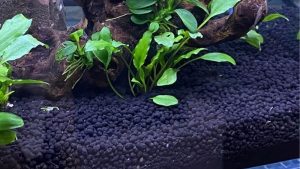
Best Black Sand Substrate for Aquarium: Well-Researched Pick