Last Updated: October 9, 2026
- Top Pick: FZONE 2.5L Upgraded Aquarium CO₂ Generator kit for Aquarium Plants Tanks
- Best Value: Enkreefi 2L Aquarium CO2 Generator System with Solenoid Valve & Bubble Counter – Complete Carbon Dioxide Reactor Kit for Planted Tanks
- Premium Choice: FZONE 5.5L Upgraded Aquarium CO₂ Generator kit for Aquarium Plants Tanks

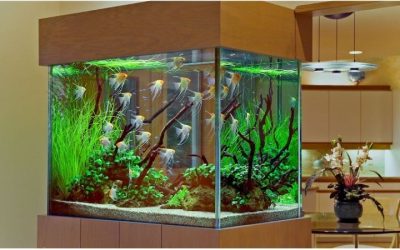
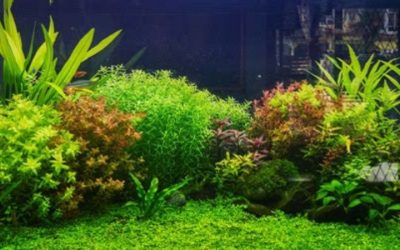
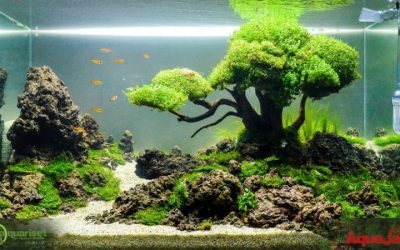
A planted aquarium without CO2 supplementation is a bit like a garden without sun — plants survive, but they rarely thrive. Carbon dioxide is the primary limiting factor in most planted tanks: provide it adequately and plants grow fast, crowd out algae, and produce the lush, dense carpet effect that makes a Dutch or Nature Aquarium style scape so visually striking. The CO2 system category ranges from simple DIY yeast setups to precision pressure regulators with inline diffusers and solenoid automation — and understanding where you fall on that spectrum is essential before spending money. Here’s our breakdown of the best options across the range.
🛒 Best Price Today on Amazon
Prime members get fast, free shipping on everything above, plus member-only deals. New members get a 30-day free trial — cancel anytime.
As an Amazon Associate we earn from qualifying purchases.




Quick Picks
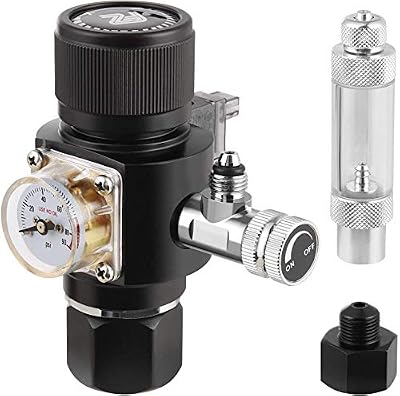
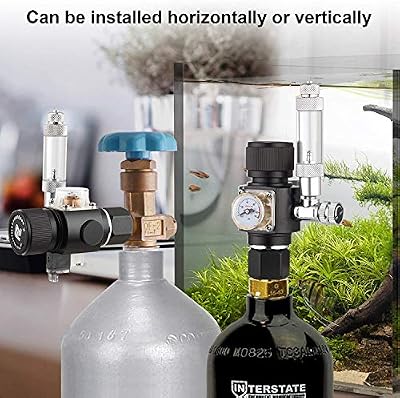
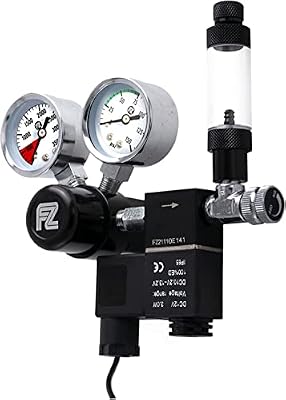
Fzone Aquarium CO2 Regulator with Solenoid
- Dual-gauge precision pressure control
- Built-in solenoid for light-cycle automation
- Compatible with standard paintball and 5lb cylinders



As an Amazon Associate we earn from qualifying purchases. Product prices and availability are accurate as of the date/time indicated.
Fluval Pressurized 95g CO2 Kit
- Complete all-in-one kit for beginners
- Compact disposable cylinder system
- Bubble counter and ceramic diffuser included


As an Amazon Associate we earn from qualifying purchases. Product prices and availability are accurate as of the date/time indicated.
Aquario Neo CO2 Diffuser with DIY Kit
- Premium ceramic diffuser for fine mist
- Works with DIY yeast setups
- Ideal entry-level CO2 for small tanks


As an Amazon Associate we earn from qualifying purchases. Product prices and availability are accurate as of the date/time indicated.
Why Trust Our Picks
Our team has set up and maintained high-tech planted tanks — including CO2-injected aquascapes from 10 to 120 gallons — for over a decade. We evaluate CO2 systems on pressure stability, ease of setup and maintenance, solenoid reliability, diffuser quality, long-term running cost, and safety. We also consider how each system performs during power outages and whether it includes adequate safeguards to prevent CO2 overdose events that can crash oxygen levels overnight.
Best CO2 Systems for Planted Aquariums: In-Depth Reviews
1. Fzone Aquarium CO2 Regulator with Solenoid — Best Overall
The Fzone regulator has earned a devoted following in the planted tank community by delivering professional-grade pressure control at a price accessible to hobbyists. The dual-gauge design — one gauge showing cylinder pressure, one showing working pressure — gives you complete visibility into both tank fill level and delivery rate simultaneously. The built-in solenoid is the feature that elevates this from a good product to an essential one: connect it to your light timer and CO2 injection automatically starts before lights on and stops at lights off, preventing overnight CO2 buildup that can stress fish and crash pH.
The needle valve is precise enough to dial in bubble rates to the single-bubble-per-second level — critical for maintaining the 20–30 ppm CO2 sweet spot without overshooting. It pairs with any standard CGA-320 cylinder (5lb, 10lb, or 20lb, plus paintball cylinders with an adapter), making refills convenient and inexpensive. Build quality is solid aluminum and brass throughout — this is a regulator designed to last years, not months. For anyone running a serious planted tank, this is the starting point we recommend.
- Pros: Dual-gauge precision, solenoid included, fine needle valve, compatible with standard cylinders, long-term reliability
- Cons: Requires separate purchase of cylinder, diffuser, and tubing; initial setup has a moderate learning curve for beginners
2. Fluval Pressurized 95g CO2 Kit — Runner-Up
Fluval’s 95g CO2 kit is the go-to recommendation for planted tank beginners — and it earns that position through sheer completeness. Everything you need arrives in one box: the regulator, a 95g disposable CO2 cylinder, bubble counter, check valve, airline tubing, and a ceramic diffuser. Setup is genuinely straightforward — most new users are up and running in under 30 minutes from unboxing to first bubbles. There is no research rabbit hole to fall into, no separate compatibility questions to answer.
The compact 95g cylinder is ideal for tanks up to 40 gallons and lasts approximately four to eight weeks depending on bubble rate and tank size. The running cost of disposable cylinders is higher long-term than a refillable system — but for smaller tanks or users wanting to try CO2 injection before committing to full pressurized equipment, the Fluval kit removes all the friction. It’s also a solid backup system for aquascaping competition setups where portability matters more than economy.
- Pros: Complete all-in-one kit, beginner-friendly setup, no separate purchases needed, compact and portable
- Cons: Disposable cylinders add ongoing cost; no solenoid for automation; not economical for larger tanks long-term
3. Aquario Neo CO2 Diffuser — Best Budget Entry Point
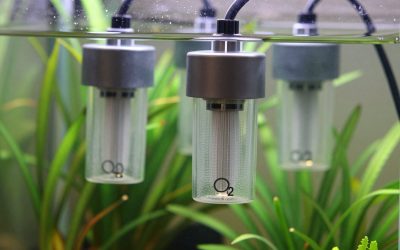
The Aquario Neo diffuser doesn’t ship with a CO2 source — it’s the downstream component that transforms your CO2 supply into the fine mist of micro-bubbles that plants can actually absorb. But it earns its place here because the diffuser is frequently the weakest link in budget CO2 setups. The Neo’s ceramic membrane produces a genuinely fine mist comparable to diffusers costing three times as much, and its acrylic body stays cleaner longer than most alternatives in the same price range.
Pair it with a basic DIY yeast fermentation bottle (sugar, yeast, a two-liter bottle, and a basic check valve) for a complete CO2 system under $30 — a legitimate starting point for planted tanks up to 20 gallons. Yeast setups lack solenoid control and produce variable output, but for low-tech planted tanks making a first foray into CO2, they introduce the technique without meaningful financial risk.
- Pros: Exceptional diffuser quality for the price, works with any CO2 source, easy to clean, fine micro-bubble output
- Cons: CO2 source sold separately; DIY yeast requires frequent maintenance and lacks automation capability
Buyer’s Guide: Setting Up CO2 for a Planted Tank
Pressurized vs. DIY: Pressurized systems (regulator plus refillable cylinder) offer consistent, controllable CO2 delivery and are more economical long-term for tanks over 20 gallons. DIY yeast setups are appropriate for nano tanks or beginners testing the method before investing in equipment.
Drop Checker: Always use a CO2 drop checker — a small device filled with bromothymol blue solution that turns green at ideal CO2 levels (around 30 ppm), yellow when too high, and blue when too low. It’s your most important real-time safety and optimization tool, and it costs under $10.
Solenoid Automation: A solenoid valve connected to your light timer is non-negotiable for pressurized systems. Running CO2 at night when photosynthesis stops can cause dangerous overnight pH drops and oxygen depletion that kills livestock.
Diffuser Placement: Position your diffuser near a powerhead or filter intake to maximize CO2 distribution throughout the tank. Micro-bubbles should circulate widely rather than rising directly and escaping at the surface.
Frequently Asked Questions
Is CO2 injection safe for fish?
At proper levels (20–30 ppm), CO2 is safe for most fish. Problems arise from over-injection or from running CO2 overnight without a solenoid. Use a drop checker and timer-controlled solenoid to keep levels in the safe range.
How much CO2 does a planted tank need?
Target 20–30 ppm dissolved CO2 during the photoperiod. Start at approximately one bubble per second per 10 gallons and adjust upward or downward based on drop checker color readings over several days.
Can I use CO2 in a shrimp tank?
Yes, but shrimp are more sensitive to CO2 fluctuations than most fish. Keep levels at the lower end of the target range (15–20 ppm), ensure your solenoid cuts CO2 reliably overnight, and acclimate shrimp slowly when introducing CO2 to an established tank.
How long does a refillable CO2 cylinder last?
A standard 5lb cylinder at one bubble per second typically lasts three to six months on a 50-gallon tank. Larger cylinders (10lb, 20lb) are proportionally more economical and require fewer refills. Refill cost is generally $15–$30 at local paintball or welding supply shops.
Do I need CO2 for a low-tech planted tank?
No — many plants thrive without supplemental CO2 when combined with appropriate lighting and fertilization. Java fern, anubias, cryptocorynes, and most stem plants do well in low-tech setups. CO2 injection is primarily needed for demanding carpeting plants and high-growth aquascapes.
Final Verdict
For anyone serious about a planted tank, the Fzone CO2 Regulator with Solenoid is the clear long-term investment — it’s precise, reliable, and the solenoid automation alone is worth the price difference over simpler regulators. Beginners who want everything in one box without any setup decisions should start with the Fluval 95g CO2 Kit and upgrade to a refillable system once they’re comfortable with the technique. And for nano tanks on a shoestring budget, pairing the Aquario Neo Diffuser with a DIY yeast setup is a perfectly legitimate entry into CO2 planted tank keeping. Whichever system you choose, invest in a drop checker — it’s the one accessory no CO2 setup should run without.
Related Reviews & Guides

Best Algae Eaters for Freshwater Tank Setups, by the Numbers

Best Filter for a 20-Gallon Planted Aquarium: Choosing Guide