Last Updated: October 21, 2026
🛒 Best Price Today on Amazon
Prime members get fast, free shipping on everything above, plus member-only deals. New members get a 30-day free trial — cancel anytime.
What Makes Aquarium Moss Balls So Popular?
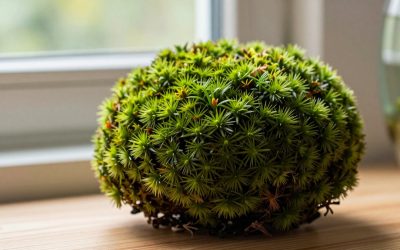
Aquarium moss balls — also known as Marimo moss balls — are one of the most unique and beloved additions to freshwater tanks. These spherical algae colonies (Aegagropila linnaei) grow naturally in cold, clear lakes in Japan, Iceland, and Scotland. They are not true mosses but form a dense, velvety green ball that slowly rolls along the lakebed as currents rotate it. In aquariums, moss balls serve as natural water conditioners, minor nitrate absorbers, and charming decorative elements. They are exceptionally low maintenance and extremely long-lived — some Marimo are reportedly hundreds of years old.
As an Amazon Associate we earn from qualifying purchases at no extra cost to you.

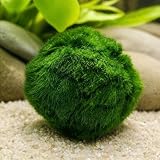

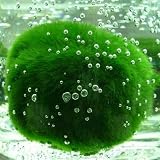


1. Marimo Moss Ball (Natural Aegagropila linnaei)
Authentic Marimo moss balls grow very slowly — about 5mm per year — but what they lack in speed they make up for in longevity and unique appeal. They prefer cooler water temperatures (below 77°F) and low to moderate indirect light. In warm tropical tanks they can survive but may turn brown at the center; regular gentle squeezing and rotation under cool water revives their shape and color. They are ideal for betta tanks, shrimp tanks, and species setups where a natural, living accent is desired without the complexity of planted aquarium maintenance.
2. Moss Ball Multi-Pack Sets
Multi-pack moss ball sets typically include three to five moss balls of varying sizes, making them a great value and an attractive way to create a colony display. Some kits include decorative accessories like floating hammocks, glasses, or terrariums designed to showcase Marimo outside a full aquarium setup. Multi-packs are popular gifts and are especially appealing for small desktop tanks and nano aquarium setups where their compact size is a perfect fit.
3. Artificial Moss Balls for Aquariums
For tanks with higher temperatures where natural Marimo struggle, artificial moss balls offer the visual appeal without temperature constraints. These are made from soft, aquarium-safe synthetic fiber formed into a sphere and weighted to sit on the substrate. While they do not provide the water-conditioning benefits of real Marimo, they require no care and maintain their shape and color indefinitely. They work well as decorative accents in tropical community tanks and betta setups.
Buying Guide: Aquarium Moss Ball Tips
- Temperature preference: Marimo prefer water below 77°F. In warmer tanks, keep them near the filter outlet for circulation and monitor for browning.
- Light requirements: Indirect, low-to-medium light is ideal. Direct intense light causes them to turn brown. Keep away from strong LED grow lights.
- Cleaning: Every 2 weeks, gently squeeze and rinse Marimo under cool dechlorinated water to remove debris and restore their spherical shape.
- Browning: Brown patches indicate insufficient light or water that is too warm. Rotate the ball regularly so all sides receive equal light exposure.
- With shrimp: Marimo and freshwater shrimp are a perfect pairing. Shrimp graze on biofilm on the moss ball surface and help keep it clean.
Caring for Marimo Moss Balls So They Stay Green
Marimo moss balls are famously low maintenance, but a few simple habits keep them dense, round, and a healthy deep green for years. The most important factor is temperature: these algae colonies come from cool northern lakes and prefer water on the cooler side, generally below the upper seventies Fahrenheit. In a warm tropical tank they can survive, but they may grow more slowly or brown at the center, so keepers in heated setups should expect to give them a little extra attention. Lighting should be low to moderate and indirect; intense light encourages other algae to grow on the surface of the ball and can bleach it, so a shaded spot away from the brightest part of the tank suits them best.
Routine care comes down to gentle handling. Every couple of weeks, lift the moss ball out, give it a soft squeeze in a cup of cool tank or dechlorinated water to flush out trapped debris, and gently roll it in your palms to help it keep its spherical shape, since in the wild lake currents do this naturally. Rotating the ball or turning it over also ensures every side gets light and prevents one face from yellowing. If a moss ball develops brown patches, removing it, rinsing it, and trimming away any blackened core can often revive it. With cool water, modest light, and an occasional rinse and roll, a Marimo can thrive for a very long time.
Quarantine, Pests, and Tank Mate Compatibility
Before a new moss ball goes into an established tank, a short quarantine is wise. Moss balls can occasionally arrive carrying hitchhikers such as pest snails or unwanted algae, so rinsing the ball thoroughly under cool water and inspecting it for tiny snails or eggs reduces the risk of introducing a problem. Some keepers go further and quarantine new plants and moss balls separately for a week or two to be sure nothing unwanted appears before adding them to the display. A careful inspection up front is far easier than dealing with a snail outbreak later.
Moss balls are popular precisely because they get along with so many tank inhabitants. They are a favorite in betta tanks, where the betta may rest against them, and in shrimp tanks, where shrimp graze the biofilm that collects on the surface and tiny fry hide within the strands. Snails coexist with them peacefully as well. The main cautions are physical: large, boisterous, or strongly herbivorous fish such as goldfish or some cichlids may tear a moss ball apart or uproot it, so they suit calm community and nano setups best. Because moss balls absorb a small amount of nitrate and shelter beneficial microbes, they also make a gentle, living complement to a tank’s filtration rather than a replacement for it, contributing to water quality while adding a natural, long-lived accent.
Final Thoughts
Aquarium moss balls are among the most unique and effortlessly charming additions to any freshwater tank. Whether you choose authentic Marimo for their natural benefits or artificial versions for tropical setups, they add a living (or living-looking) touch that completes a natural aquascape. Their long lifespan and minimal care requirements make them a perfect choice for beginners and experienced hobbyists alike.
Frequently Asked Questions
Are marimo moss balls actually moss?
No. Marimo are a colonial growth form of a filamentous green alga, Aegagropila linnaei, rolled into spheres by gentle lake currents. They are not a true moss and not a plant in the mosses sense, which is why they tolerate low light and cold water so well and grow only about five millimeters per year.
How do I clean and care for a moss ball?
Every water change, lift the ball out, squeeze it gently in old tank water like a sponge to purge trapped debris, then roll it between your palms to restore the round shape. Rotate its resting position occasionally so all sides get light, otherwise the shaded underside pales and can rot into a hollow shell.
What water temperature and lighting do moss balls need?
They come from cold northern lakes and prefer 60 to 78 degrees Fahrenheit. Above roughly 80 they brown and break apart, so they are a poor match for discus or high-temperature quarantine tanks. Low to moderate light is ideal; direct bright light bleaches them and encourages a fuzz of other algae on the surface.
Do moss balls help control algae and nitrates?
They absorb some nitrate and phosphate, but the effect is modest because their growth rate is extremely slow. Do not rely on a few balls to fix a nutrient problem in a stocked tank. Fast-growing stem plants, floating plants or regular water changes remove far more, with moss balls acting as a small supplement.
Are moss balls safe with shrimp, bettas and snails?
Yes, they are among the safest additions. Shrimp graze biofilm off the surface constantly, and bettas often rest on them. Quarantine new balls for a couple of weeks first, since imported stock has carried invasive zebra mussels and hitchhiking pest snails. A rinse in dechlorinated water and visual inspection catches most problems.
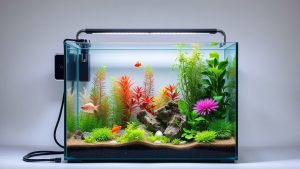
Live Planted Fish Tank Setup Guide: Best Aquariums for Beginners 2026

4 Best Aquarium LED Lights for Planted Tanks 2026