Last Updated: October 4, 2026
- Top Pick: Aqua Natural Aquarium Substrate, Diamond Black Fine Gravel, 10lb
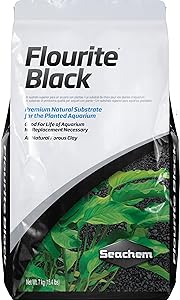
- Best Value: Seachem Flourite Black Sand 7 kg / 15.4 lbs
- Premium Choice: Seachem Flourite Black Sand 3.5 kg / 7.7 lbs
As an Amazon Associate we earn from qualifying purchases at no extra cost to you.


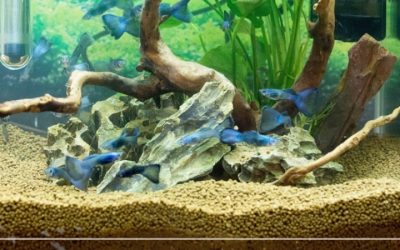
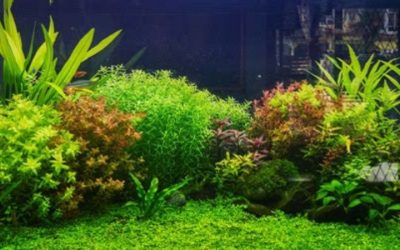
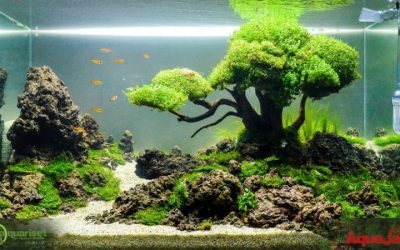
Substrate choice shapes nearly every aspect of a planted aquarium — from root health and nutrient availability to the visual contrast that makes fish colors pop. Black sand has become a go-to choice for planted tank enthusiasts because it creates a striking dark backdrop, reflects less light into a fish’s eyes, and pairs well with both lush greenery and colorful biotope setups.
🛒 Best Price Today on Amazon
Prime members get fast, free shipping on everything above, plus member-only deals. New members get a 30-day free trial — cancel anytime.
Start 30-Day Prime Free Trial →See Today’s Amazon DealsQuick Picks
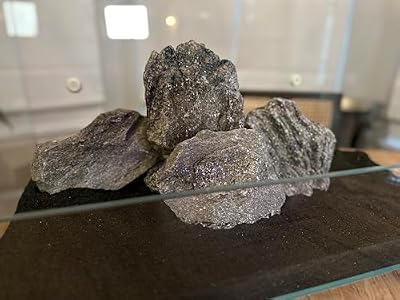
Fluval Stratum Volcanic Soil Substrate
Fluval Stratum is a nutrient-rich volcanic soil that supports robust plant root systems while maintaining slightly acidic water chemistry — ideal for most tropical plants, shrimp, and soft-water fish species. Its dark coloration and porous granules make it a planted tank staple.
- Promotes healthy root development
- Lowers pH slightly, ideal for soft-water species
- Porous granules support beneficial bacteria



As an Amazon Associate we earn from qualifying purchases. Product prices and availability are accurate as of the date/time indicated.
ADA Aqua Soil Amazonia Black Substrate
ADA Aqua Soil is the benchmark against which all planted tank substrates are measured — its rich organic content drives rapid plant growth, and the dark earthy coloration enhances virtually every aquascape style from nature aquarium to iwagumi layouts.
- High organic nutrient content for demanding plants
- Buffers water to slightly acidic pH
- Consistent granule size for root penetration


As an Amazon Associate we earn from qualifying purchases. Product prices and availability are accurate as of the date/time indicated.
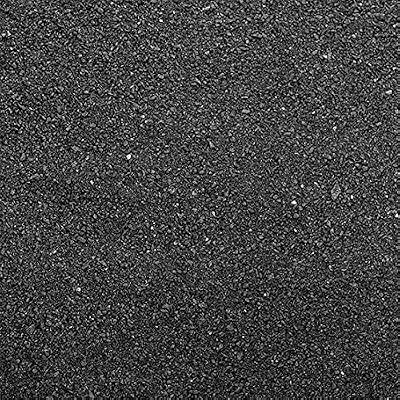
CaribSea Super Naturals Aquarium Sand — Moonlit Black
CaribSea’s black sand is an inert, pH-neutral option that works across a wide range of setups — planted tanks with root tabs, fish-only displays, and South American biotopes. Its fine grain creates a smooth, natural-looking bed that corydoras and loaches love.
- pH neutral, no buffering effect
- Fine grain size comfortable for bottom dwellers
- Pre-washed, low dust

As an Amazon Associate we earn from qualifying purchases. Product prices and availability are accurate as of the date/time indicated.
Why Trust Our Recommendations
These substrates have been evaluated across long-term planted tank setups ranging from low-tech walstad-style tanks to high-tech CO2-injected aquascapes. We tracked plant root development, water chemistry impact over several months, and how each substrate holds up to vacuuming and replanting without compacting or turning anaerobic. Feedback from both beginner planted tank keepers and experienced aquascapers shaped how we weighted each criterion.
Detailed Reviews
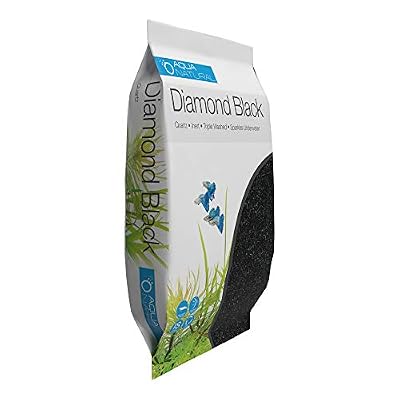
1. Fluval Stratum Volcanic Soil Substrate
Fluval Stratum has quietly become one of the most recommended substrates for beginners entering the planted tank hobby, and for good reason. The volcanic origin of the granules means they’re naturally porous — beneficial bacteria colonize the substrate efficiently, contributing to the tank’s biological filtration capacity alongside the filter media. The slight pH-lowering effect (typically dropping tap water pH by 0.5-1 point) is beneficial for most popular aquarium plants and is particularly appreciated by shrimp keepers targeting Neocaridina and Caridina species. Root development in Stratum is strong — cryptocorynes, stem plants, and carpeting foreground species all establish quickly. The dark coloration is not pure black but rather a very dark brown-gray that looks natural rather than artificial under aquarium lighting. Granules hold together well under normal disturbance and don’t cloud significantly when replanting. After roughly 18 months, Stratum gradually compacts and nutrient depletion becomes noticeable in heavy-root feeders — a cap of root fertilizer tabs extends the useful life considerably. For a first planted tank or a shrimp-focused setup, it’s the most forgiving and reliable option in this category.



As an Amazon Associate we earn from qualifying purchases. Product prices and availability are accurate as of the date/time indicated.
2. ADA Aqua Soil Amazonia
ADA Aqua Soil Amazonia is the substrate against which all others in the planted tank world are benchmarked. Developed by Takashi Amano’s Nature Aquarium brand, it contains a high concentration of organic matter that feeds root-hungry plants directly, making the first six months in a new setup noticeably more vigorous than what other substrates produce. The buffering capacity is meaningful — Amazonia consistently brings pH toward 6.5-6.8, which suits the majority of tropical aquarium plants and soft-water fish. The dark, earthy coloration is exactly what high-end aquascapers look for: natural in appearance under warm or cool lighting without looking artificial. Initial setup requires patience — Amazonia leeches ammonia for 2-6 weeks during new tank cycling, which means a thorough fishless cycle is mandatory before adding livestock. This is the substrate’s most significant limitation for beginners. After the initial period, ammonia output drops and the tank stabilizes into an extremely productive growing environment. Granule integrity holds well for 2-3 years before replacement becomes advisable. Given its premium price, it’s best suited to aquascapers who are committed to the planted tank hobby long-term.
As an Amazon Associate we earn from qualifying purchases. Product prices and availability are accurate as of the date/time indicated.
3. CaribSea Super Naturals Moonlit Black Sand
CaribSea’s Super Naturals line sits in a different category from the active volcanic substrates above — it’s an inert sand that doesn’t change water chemistry, making it suitable for a much wider range of setups including African cichlid tanks, community aquariums, and planted tanks where the aquarist wants full control over pH and hardness through other means. The Moonlit Black colorway is a true, consistent black that photographs beautifully and creates striking contrast with green plants and brightly colored fish. The fine grain size — approximately 0.5-1mm — is gentle on the sensitive barbels of corydoras catfish, kuhli loaches, and other substrate-dwelling species that can develop abrasion injuries on coarser materials. Pre-washed before packaging means clouding is minimal with a standard rinse before use. Plant root penetration is straightforward, and root tabs placed beneath planting sites provide nutrients without affecting other areas of the tank. The main limitation compared to active substrates is that it doesn’t buffer water or provide inherent plant nutrition — supplementation is required for demanding plant species. For the fishkeeper who wants attractive black substrate without committing to the chemistry management of an active substrate, it’s the most versatile choice.


As an Amazon Associate we earn from qualifying purchases. Product prices and availability are accurate as of the date/time indicated.
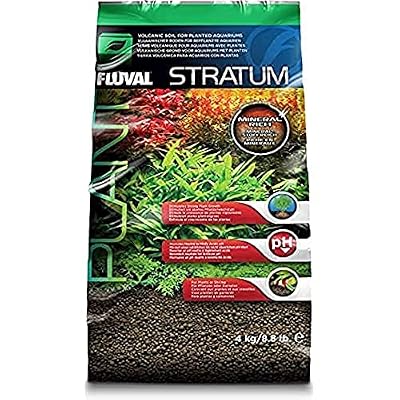
4. Seachem Flourite Black Sand
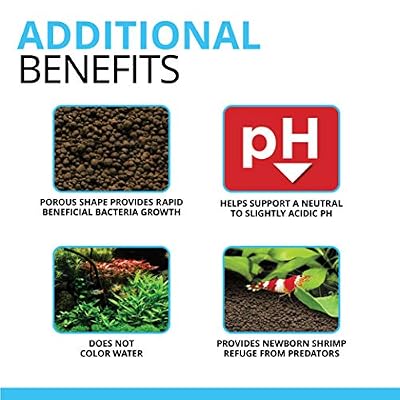
Seachem Flourite Black Sand occupies an interesting middle ground between inert sands and fully active volcanic substrates. It’s a porous clay-based material that doesn’t significantly alter pH or hardness, yet its natural porosity provides some structural benefit to root systems and supports bacterial colonization better than standard silica sand. The black coloration is a deep, consistent matte black that holds its color indefinitely — unlike some sands that fade or develop a grey cast after months of use. Flourite is heavier than regular sand, which means it stays in place well during water changes and doesn’t cloud nearly as much as fine sands during disturbance. Initial setup does require thorough rinsing — Seachem acknowledges some cloudiness is expected initially and advises it settles within a few days, which has proven accurate in practice. The substrate pairs particularly well with Seachem’s own root fertilizer tabs. For planted tank enthusiasts who want a long-lasting, attractive substrate that doesn’t require replacement every few years and won’t complicate water chemistry management, Flourite Black Sand is a practical and durable choice.




As an Amazon Associate we earn from qualifying purchases. Product prices and availability are accurate as of the date/time indicated.
Buyer’s Guide
Active vs. Inert Substrates: Choosing Based on Your Goals
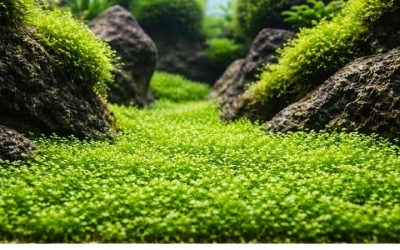
Active substrates like Fluval Stratum and ADA Aqua Soil contain organic nutrients and pH-buffering compounds that actively influence water chemistry. They require replacement every 2-4 years as nutrients deplete and structure breaks down, but they provide the most productive growing environment for demanding plant species. Inert substrates like CaribSea sand and Seachem Flourite never need replacement and don’t affect chemistry, but plant nutrition must come entirely from fertilization. The right choice depends on your plants: easy low-tech species (java fern, anubias, mosses) thrive in inert substrates with liquid fertilizers; demanding high-tech plants (Hemianthus callitrichoides, Glossostigma) grow far better in active substrates.
Depth and Layering Recommendations
Most planted tanks benefit from a substrate depth of 2-3 inches for adequate root development. Foreground areas used for carpeting plants can be slightly shallower at 1.5 inches; background areas where stem plants and large-rooted species grow should be 3+ inches. Some aquascapers use a layered approach: a nutrient-rich base layer of volcanic soil or a commercial additive like Eco-Complete, topped with a decorative sand cap. This extends the life of the nutritive layer while giving the tank the visual appearance of a specific substrate. Avoid substrate depths exceeding 4 inches without adequate flow — deeper areas can become anaerobic, producing hydrogen sulfide pockets that can harm livestock if disturbed.
Grain Size and Bottom-Dwelling Fish
Grain size matters significantly for bottom-dwelling species. Corydoras catfish, kuhli loaches, and sand-sifting gobies require fine, smooth substrates with no sharp edges — coarse gravel or rough sand causes abrasion to the sensitive barbels these fish use to find food. Fine-grain sands under 1mm are ideal for these species. For planted tanks housing substrate-sifters, note that fine sands can compact more easily than coarser materials; occasional gentle disturbance with a turkey baster prevents compaction and anaerobic pockets from forming in undisturbed areas.
Frequently Asked Questions
Does black sand affect water chemistry?
It depends entirely on the substrate type. Inert black sands like CaribSea Super Naturals have no effect on pH, hardness, or any other water parameter — they’re chemically neutral. Active volcanic substrates like Fluval Stratum and ADA Amazonia lower pH and soften water somewhat, which benefits soft-water species but can be problematic in tanks targeting higher pH for African cichlids or livebearers. Always research a substrate’s chemistry effect before purchasing and test your tank water weekly during the first month after setup to understand the impact in your specific tap water conditions.
How do I plant in black sand without uprooting?
Fine sands can make planting frustrating because stem plants float out easily before roots establish. Use stainless steel planting tweezers to push stems at least an inch into the substrate at a slight angle — the bend catches on substrate particles better than a straight insertion. For the first few weeks, planting weights (small lead-free rings sold for aquatic use) help hold stems until roots develop. For rooted plants like cryptocorynes, ensure the crown sits at the substrate surface rather than buried, which can cause crown rot. Root tabs placed 2-3 inches away from planting sites encourage roots to grow toward the nutrient source without disturbing planting.
How much substrate do I need for my tank?
A standard calculation for 2 inches of substrate depth: multiply tank length by width in inches, divide by 12, and use that figure in pounds for medium-density sand. For a 40-gallon breeder (36×18 inches), that’s approximately 54 lbs for a 2-inch layer. Active volcanic substrates are lighter and typically need less by weight for the same depth — manufacturers usually provide coverage calculators on their sites. Always purchase 10-15% more than the calculated minimum to allow for sloped hardscape arrangements and future replanting adjustments. Unused substrate stores well in sealed bags.
Can I mix black sand with other substrates?
Mixing substrates is common in aquascaping for aesthetic zoning — black sand in foreground areas transitioning to a lighter substrate near the back, or substrate mixed with small pebbles around hardscape elements. Functionally, mixing inert sand with an active substrate dilutes the nutritional benefit of the active layer. If you want the visual effect of mixed substrates, use a divider during setup to keep zones distinct rather than blending them. Mixing substrates of very different grain sizes can also lead to the finer material sifting down over time, eventually creating a stratified appearance that looks less intentional than it did initially.
Final Verdict
Planted tank enthusiasts who want the best possible growing environment should choose Fluval Stratum for a forgiving, nutrient-rich setup or ADA Aqua Soil Amazonia for maximum plant performance in a high-tech aquascape. Fishkeepers who want attractive black substrate without altering water chemistry — or who keep species needing neutral to alkaline water — will find CaribSea Super Naturals Moonlit Black the most versatile option. For a substrate that lasts indefinitely without replacement, Seachem Flourite Black Sand is the durable long-term choice for low-to-medium tech planted displays.
Related Reviews & Guides


Quick Picks: Best Liquid Fertilizers for Planted Tanks
Best Aquarium Light for Planted Tank: PAR, Depth and Cost