Last Updated: October 9, 2026
- Top Common Planted Tank Mistakes Avoid Picks for 2026
- Mistake 1: Getting the Lighting Wrong
- Mistake 2: Skipping CO2 for Demanding Plants
- Mistake 3: Nutrient and Dosing Errors
- Mistake 4: Poor Substrate Choices
- Mistake 5: Burying Rhizome Plants
- Mistake 6: Planting Stems Too Sparsely and Overstocking
- Putting It All Together: Balance Is Everything
- Frequently Asked Questions
- Related Articles
- Related Guides
- Top Pick: AquaBoost Bloom All-in-One Liquid Fertilizer for Aquarium Plants, 16 fl oz
- Best Value: Magnetic Aquarium Floating Plant Barrier,DIY Splicable Floating Fence,Fish Feeding Ring&Aquatic Plant Holder,Floating Joint Tracks Water Level,3-in-1 Fish Tank Decor Accessories (Wood Color, 7 Pack)
- Premium Choice: Hygger CO2 Premium Upgraded Aquarium Soil, 1-5mm Nutrient-Rich Water Grass Mud for Planted Tanks, Dust-Free & No Rinse, Safe for Fish & Shrimp (11 Pounds)
🛒 Best Price Today on Amazon
Prime members get fast, free shipping on everything above, plus member-only deals. New members get a 30-day free trial — cancel anytime.
Top Common Planted Tank Mistakes Avoid Picks for 2026
Here are our current top common planted tank mistakes avoid picks, compared on real Amazon owner reviews, price, and features. Live prices update below.
As an Amazon Associate we earn from qualifying purchases at no extra cost to you.


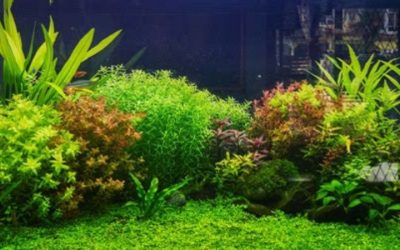
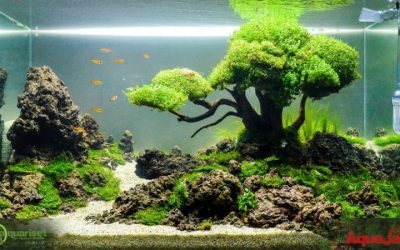
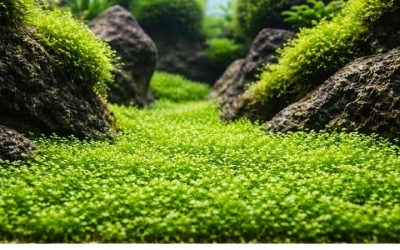
A lush, green planted tank is one of the most rewarding sights in the hobby, but it is also where beginners stumble most often. Live plants are not decorations you can simply drop in and forget. They are living organisms with real requirements for light, nutrients, carbon, and placement. When those requirements fall out of balance, the result is melting plants, algae outbreaks, and frustration. The good news is that nearly every planted tank failure traces back to a handful of predictable mistakes. Learn to recognize them and you can avoid them entirely.
Mistake 1: Getting the Lighting Wrong
Light drives photosynthesis, so it is the engine of any planted tank, but more is not always better. Too little light leaves plants pale, leggy, and slow, with lower leaves often dying off. Too much light without matching nutrients and carbon is even worse, because it fuels algae faster than your plants can compete.
The fix: match your light intensity and photoperiod to your plants. Most low- and medium-light plants thrive on roughly 6-8 hours of moderate lighting per day. Start conservative, keep the photoperiod consistent with a timer, and only increase intensity if plants clearly want more. If algae appears on the glass and leaves, dialing the light back is often the first move, as discussed in the aquarium algae types guide.
Mistake 2: Skipping CO2 for Demanding Plants
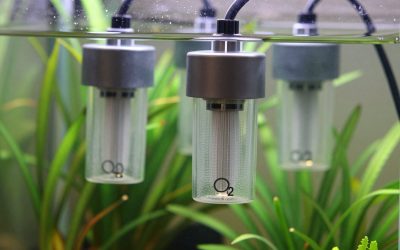
Carbon is the nutrient plants need in the largest quantity. Many hardy species, including those in the best aquarium plants for beginners, grow perfectly well using only the carbon dissolved naturally in the water. But demanding, high-light species often need supplemental CO2 to thrive. Pairing strong lighting with carbon-hungry plants but no added CO2 creates an imbalance that plants cannot keep up with, and algae moves in.
The fix: choose plants that match your setup. If you do not want to run a pressurized CO2 system, stick to low-tech, hardy species and modest lighting. If you want carpeting plants and vivid stem growth under bright light, plan for CO2 supplementation from the start. Hardy options like hornwort and the Amazon sword are forgiving choices for low-tech tanks.
Mistake 3: Nutrient and Dosing Errors
Plants need macronutrients (nitrogen, phosphorus, potassium) and micronutrients (iron and trace elements). Beginners often either dose nothing, leaving plants starved, or dose erratically, creating swings that favor algae. Symptoms of deficiency are surprisingly readable on the leaves themselves.
The fix: establish a consistent, modest dosing routine appropriate to your plant load, and use a root tab for heavy root-feeders planted in inert substrate. Learn to read the warning signs using the plant nutrient deficiency visual diagnosis guide so you can correct a shortfall before it stalls growth. Remember that stable water chemistry matters too; sudden parameter swings stress plants just as they stress fish, which is why the pH guide is worth reviewing.
Mistake 4: Poor Substrate Choices
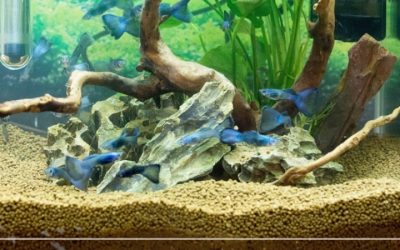
Substrate is the foundation of a planted tank, and choosing the wrong one creates ongoing problems. Plain decorative gravel holds few nutrients and gives roots little to grip, while a substrate that is too fine can compact and go anaerobic. Heavy root-feeders struggle in inert substrate without supplementation.
The fix: use a nutrient-rich aquasoil or an inert substrate supplemented with root tabs for demanding plants. Aim for a depth of around two to three inches so roots have room to spread. Getting the foundation right from the start, as covered in the live planted fish tank setup guide, saves you from tearing the tank down later.
Mistake 5: Burying Rhizome Plants
This is one of the most common and most fatal beginner errors. Rhizome plants such as Anubias and Java fern grow from a horizontal stem called a rhizome. If you bury that rhizome in the substrate, it rots, and the plant slowly dies no matter how good your conditions are.
The fix: attach rhizome plants to rocks or driftwood, or wedge them so the roots anchor but the rhizome stays exposed to the water. You can tie them with thread or use a small amount of aquarium-safe glue. These plants are otherwise extremely forgiving, which is exactly why they appear in so many beginner-friendly builds like the complete fish tank setup guide.
Mistake 6: Planting Stems Too Sparsely and Overstocking
Two placement and population mistakes round out the list. Planting stem plants too sparsely leaves bare substrate that algae colonizes and makes the aquascape look thin; stems also shade their own lower portions when isolated. Separately, overstocking fish floods the tank with waste and competes with plants for a balanced environment, while messy or rooting fish physically uproot delicate plantings.
The fix: plant stems in dense groups so they grow into a full, healthy thicket, and trim and replant the tops to thicken the stand. Keep your stocking reasonable and choose plant-friendly species; the fish compatibility guide helps you avoid fish that dig up or eat plants.
Putting It All Together: Balance Is Everything
Almost every planted tank problem comes down to balance between three inputs: light, carbon, and nutrients. When all three match your plant selection, plants outcompete algae and grow vigorously. When one input is pushed too hard, such as intense light without matching CO2 and nutrients, algae wins. Start with hardy plants, modest light, and a consistent routine, then scale up only when you understand how your tank responds. Patience, observation, and steady habits beat expensive equipment every time.
Frequently Asked Questions
Do all aquarium plants need CO2?
No. Many hardy, low-light plants grow well using only naturally dissolved carbon. Supplemental CO2 is mainly needed for demanding, high-light species and carpeting plants.
Why are my plants melting after I added them?
Some melting is normal as plants adjust from their grown-out form to submersed conditions. New growth usually follows. Persistent melt points to lighting, nutrient, or placement problems.
Can I plant Anubias and Java fern in the gravel?
You can anchor the roots, but never bury the rhizome, the thick horizontal stem. A buried rhizome rots. Attach these plants to rock or wood instead.
How much light do beginner planted tanks need?
Most low- and medium-light plants do well with about 6-8 hours of moderate lighting per day on a consistent timer. Start low and increase only if plants clearly need more.
How do I stop algae in my planted tank?
Algae usually signals an imbalance, often too much light relative to nutrients and carbon. Reduce the photoperiod, keep dosing consistent, and improve plant density so plants outcompete the algae.
Related Reviews & Guides


Best Aquarium Tweezers for Planting: Expert Top Picks Guide
Best Vaccums for Planted Tank in 2026: Compared and Ranked