Last Updated: October 4, 2026
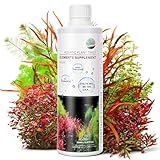
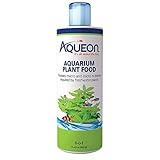
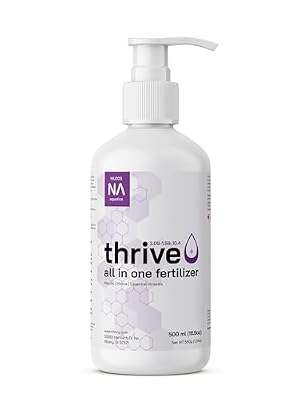
- Top Pick: Thrive Planted Aquarium Fertilizer -All in One Planted Tank Liquid Fertilizers – Micro & Macro Nutrient Rich Food for Aquatic Plants – Highly Concentrated for 2500 Gallons of Water – Handy Pump Bottle
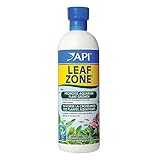
- Best Value: API LEAF ZONE Freshwater Aquarium Plant Fertilizer 18-Ounce Bottle White
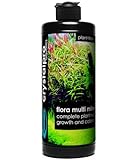
- Premium Choice: Crystalpro Flora Multi Minerals All-in-One Aquarium Plant Fertilizer – Plant Food for Fast Root & Leaf Growth – Safe for Fish, Shrimp & Snails (4.2 Oz / 125ml)
As an Amazon Associate we earn from qualifying purchases at no extra cost to you.





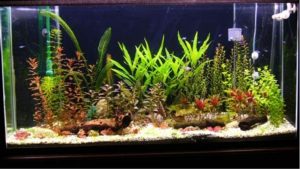
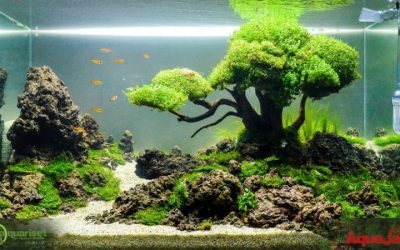
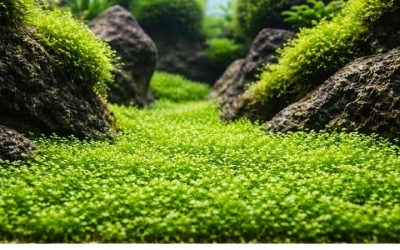
A lush, heavily planted tank doesn’t happen by luck — it happens because the plants have everything they need, in the right ratios, at the right time. Liquid fertilizers are the most direct way to deliver macronutrients (nitrogen, phosphorus, potassium) and micronutrients (iron, manganese, boron, and a dozen others) to a freshwater planted aquarium, and the difference between a mediocre product and a great one is visible within weeks. Whether you’re dosing a low-tech Walstad tank or running a high-tech CO2-injected Dutch aquascape, the right liquid fertilizer is fundamental to plant health — and by extension, to water quality and fish health.
🛒 Best Price Today on Amazon
Prime members get fast, free shipping on everything above, plus member-only deals. New members get a 30-day free trial — cancel anytime.
Start 30-Day Prime Free Trial →See Today’s Amazon DealsQuick Picks
Seachem Flourish Comprehensive
- Full micronutrient spectrum
- Trusted by aquarists for decades
- Ideal as a complete weekly dose


As an Amazon Associate we earn from qualifying purchases. Product prices and availability are accurate as of the date/time indicated.
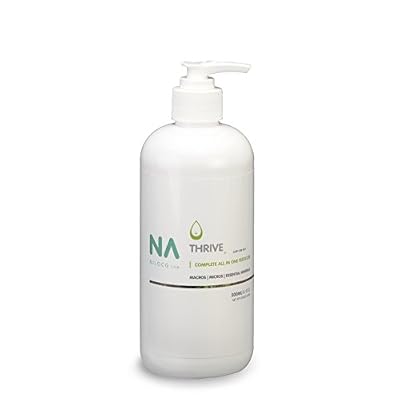
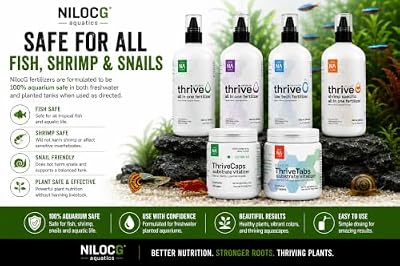
NilocG Thrive All-In-One Liquid Fertilizer
- Macro + micro in one bottle
- High concentration, excellent value
- Popular in planted tank communities
As an Amazon Associate we earn from qualifying purchases. Product prices and availability are accurate as of the date/time indicated.
API Leaf Zone Aquarium Plant Food
- Potassium and iron focused
- Available at most pet stores
- Simple weekly dosing schedule



As an Amazon Associate we earn from qualifying purchases. Product prices and availability are accurate as of the date/time indicated.
Why Trust Our Picks
Aquarium Guides has maintained planted tanks across every tech level — from low-light no-CO2 setups with easy stem plants to high-tech iwagumi layouts with demanding foreground carpets. We’ve dosed with all three of the major fertilizer philosophies (Estimative Index, PMDD, and PPS-Pro) and tested a wide range of commercial products against hand-mixed solutions. Our picks reflect real plant health outcomes, not manufacturer claims.
The Best Liquid Fertilizers for Planted Tanks, Reviewed
1. Seachem Flourish Comprehensive — Best Overall
Seachem Flourish Comprehensive is the default recommendation for planted tank beginners and the supplement most advanced aquarists still keep on hand — that’s a genuinely impressive position to hold. The formula delivers a full-spectrum micronutrient profile including iron in a chelated form that remains available at a wide range of pH levels, alongside manganese, boron, molybdenum, zinc, and several others that are commonly deficient in tap water. It’s explicitly a micronutrient supplement — macronutrients (NPK) are available separately in the Flourish line — which means it pairs perfectly with a dedicated macro dosing strategy in high-tech tanks, or functions as a standalone comprehensive supplement in lightly stocked low-tech systems where fish waste covers the nitrogen and phosphorus load. Dosing is simple, the bottle lasts a long time at recommended rates, and the results speak for themselves in healthy, fast-growing plants.
- Pros: Full micronutrient spectrum, chelated iron, easy dosing, long-trusted brand
- Cons: Micronutrients only — must supplement NPK separately for heavily planted high-tech tanks
2. NilocG Thrive All-In-One Liquid Fertilizer — Runner-Up
NilocG Thrive earned its devoted planted tank community following by doing what few commercial fertilizers manage: delivering a genuinely balanced all-in-one formula (macros and micros together) at a concentration that makes it cost-effective for regular dosing. The NPK ratios in Thrive are calibrated for lightly to moderately planted tanks — high enough to support robust growth, balanced enough not to trigger algae from phosphate excess. For aquarists who don’t want to manage separate macro and micro dosing schedules, this is the most elegant solution on the market. The concentrated formula means a single bottle goes much further than its price suggests.
- Pros: True all-in-one macro + micro, highly concentrated, excellent cost-per-dose value
- Cons: Less flexible for customizing NPK ratios; may require supplemental iron in heavily planted high-tech tanks
3. API Leaf Zone Aquarium Plant Food — Best Budget
API Leaf Zone focuses on the two nutrients most commonly deficient in aquarium water: potassium and chelated iron. For low-tech tanks with moderate plant loads and decent fish stocking (which provides nitrogen and phosphorus through waste), this targeted formula is often all you need — and at a price point that makes consistent dosing psychologically easy. It’s available at virtually every pet store, which means no waiting for shipping when you’ve run out mid-week. Not the right choice for heavily planted, high-tech, or CO2-injected setups that demand a complete nutrient profile, but for the average community tank with some plants, it’s a practical and honest product.
- Pros: Budget price, widely available, potassium + iron focus covers the most common deficiencies
- Cons: No macros or full micronutrient spectrum; insufficient for high-tech planted tanks
4. Seachem Flourish Excel Liquid Carbon
Strictly speaking, Flourish Excel is a carbon supplement rather than a fertilizer — but in low-tech planted tanks without CO2 injection, it’s often the single most impactful addition you can make. The glutaraldehyde-based formula provides bioavailable carbon directly to plants, which is the limiting growth factor in non-CO2 systems. Used alongside Flourish Comprehensive, it essentially simulates a portion of what pressurized CO2 delivers. It also has a secondary benefit: at recommended doses, it suppresses certain algae types — particularly black beard algae — without harming livestock.
- Pros: Carbon supplement for non-CO2 tanks, algae suppression, pairs perfectly with Flourish Comprehensive
- Cons: Toxic to certain plants (vals, mosses sensitive at high doses); requires careful dosing
Buyer’s Guide: Fertilizing Your Planted Tank
Match fertilizer complexity to your tank’s tech level. A low-tech tank with moderate fish stocking and slow-growing plants needs only micronutrient supplementation — fish waste handles the macros. A high-tech CO2-injected tank with demanding carpeting plants needs a complete NPK + micro program dosed multiple times per week. The single most common planted tank mistake is under-dosing: aquarists fear algae from nutrients, but algae is almost always driven by light imbalance, not excess fertilizer. Healthy, fast-growing plants consume nutrients aggressively and outcompete algae — underfed plants grow slowly and leave nutrients available for algae to exploit.
FAQ
Can liquid fertilizer cause algae?
Excess nutrients can contribute to algae, but in practice, algae outbreaks in planted tanks are almost always driven by lighting duration or intensity, not fertilizer. Well-dosed tanks with appropriate light schedules rarely experience fertilizer-driven algae. When algae appears alongside fertilization, reduce photoperiod before reducing fertilizer.
How often should I dose liquid fertilizer?
Low-tech tanks: once or twice per week. High-tech CO2-injected tanks: daily dosing or every other day, matched to the growth rate accelerated by CO2. Always dose after water changes, not before.
Is liquid fertilizer safe for fish and shrimp?
At recommended doses, all major aquarium fertilizers are safe for fish. Shrimp are more sensitive — particularly to copper, which is present in trace amounts in some micronutrient formulas. Look for “shrimp-safe” labeling or verify copper content if you keep sensitive shrimp species like neocaridina or caridina.
Do I need root tabs if I’m using liquid fertilizer?
For heavy root feeders like Amazon swords, crypts, and lilies, root tabs are a meaningful supplement even when liquid dosing — these plants absorb nutrients primarily through their roots rather than the water column. For column feeders (stem plants, mosses, floating plants), liquid fertilizer alone is sufficient.
What does iron deficiency look like in aquarium plants?
Iron deficiency shows as yellowing of new growth (the newest leaves turn yellow while older leaves remain green) — a pattern called interveinal chlorosis. It’s one of the most common deficiencies in planted tanks and is quickly corrected by adding chelated iron, either through a comprehensive fertilizer or a dedicated iron supplement.
Final Verdict
Seachem Flourish Comprehensive remains the most universally appropriate planted tank fertilizer — it covers the micronutrient spectrum thoroughly and pairs with any macro strategy. For aquarists who want a single-bottle all-in-one solution, NilocG Thrive is the best-formulated option at a surprisingly competitive price. And for the low-tech tank keeper who just wants healthy plants without a complex dosing schedule, API Leaf Zone hits the most critical deficiencies at minimal cost and effort.
Frequently Asked Questions
How often should I dose liquid fertilizer?
Low-tech tanks with slow-growing plants typically need one dose once or twice a week, right after the water change. High-light CO2 injected tanks often use the Estimative Index approach, dosing macronutrients three times a week and micronutrients on alternating days with a 50 percent weekly water change to reset accumulation.
What is the difference between macro and micro fertilizers?
Macros supply nitrogen, phosphorus and potassium, the elements plants consume in bulk. Micros supply iron, manganese, boron, zinc and other trace elements needed in tiny quantities. Many all-in-one bottles combine both, which is convenient but prevents you from raising one nutrient independently when a specific deficiency shows up in the leaves.
Will fertilizer cause an algae bloom?
Algae is usually triggered by an imbalance, not by fertilizer itself. Too much light relative to available CO2 and nutrients is the usual cause. Underdosing is actually a common trigger: starved plants stop consuming light energy and algae fills the gap. Stabilize photoperiod and CO2 first, then adjust dosing gradually rather than cutting nutrients to zero.
Is liquid fertilizer safe for shrimp and snails?
Most are, but copper content is the thing to check. Trace element mixes contain small amounts of copper, which is essential for plants but toxic to invertebrates at higher concentrations. Products labeled shrimp safe keep copper low. Dose to label rather than eyeballing, and never double up to compensate for a missed day.
Do root feeders need liquid ferts or root tabs?
Heavy root feeders such as Amazon swords, cryptocorynes and vallisneria pull most of their nutrition from the substrate, so they benefit from root tabs pushed under the crown every three to four months. Stem plants, mosses, anubias and java fern feed primarily through the water column and respond better to liquid dosing.
Related Reviews & Guides

Aquarium Root Tabs Planted Tank Fertilizer
Hair Algae in Aquarium Tanks: Why It Grows and What Works