Last Updated: October 21, 2026
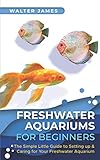
- Top Pick: Freshwater Aquariums for Beginners: The Simple Little Guide to Setting up & Caring for Your Freshwater Aquarium
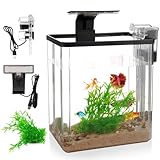
- Best Value: 1.5 Gallon Aquarium Starter Kits – Plastic Fish Tank Kit Clear Beta Fish Tank Small with Filteration Oxygenation, Water Circulation, Lighting – Beginner's Gift for Guppy, Shrimp, Goldfish
- Premium Choice: Tetra LED Half Moon 1.1 Gallon Fish Tank Kit for Betta Fish
🛒 Best Price Today on Amazon
Prime members get fast, free shipping on everything above, plus member-only deals. New members get a 30-day free trial — cancel anytime.
Start 30-Day Prime Free Trial →See Today’s Amazon DealsIntroduction
Adding live plants to your aquarium improves water quality, reduces algae, and creates a natural habitat your fish will love. For beginners, the key is choosing hardy, low-maintenance species that thrive in a wide range of conditions. This guide highlights the best beginner-friendly aquarium plants and the essential supplies to grow them successfully.
As an Amazon Associate we earn from qualifying purchases at no extra cost to you.


What to Look For
- Low light tolerance: Choose plants like Java Fern or Anubias that grow well under standard aquarium lighting without requiring expensive CO2 injection.
- Ease of propagation: Plants that multiply through runners or cuttings (like Amazon Sword or Water Wisteria) let you fill your tank quickly and affordably.
- Compatibility with fish: Confirm your plants won't be uprooted or eaten by your fish species — robust root systems and tough leaves are a plus.
Top Picks
Anubias Barteri
Anubias Barteri is virtually indestructible, tolerating low light and a wide pH range. It anchors beautifully to driftwood or rocks with fishing line and rarely needs fertilizer. Its broad, dark-green leaves provide excellent cover for shy fish and shrimp alike.
Java Fern (Microsorum pteropus)
Java Fern is a staple in beginner planted tanks — it attaches to hardscape, grows slowly, and thrives under low to medium light. Hornwort-style planting is not needed; simply attach the rhizome to wood or stone. New plantlets emerge directly from the leaves, making propagation effortless.
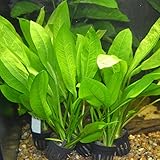
Amazon Sword (Echinodorus bleheri)
Amazon Sword is a centerpiece plant that roots deeply and grows lush, sword-shaped leaves up to 20 inches tall. It benefits from a nutrient-rich substrate or root tabs and rewards you with runners that produce daughter plants. It is ideal for mid-to-large tanks and provides a dramatic, natural backdrop.
Why Live Plants Help Your Aquarium Thrive
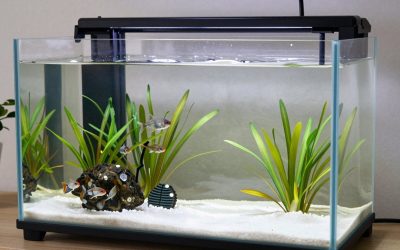
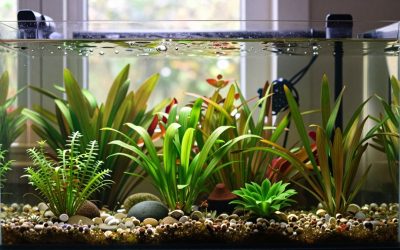
Live plants do far more than decorate an aquarium; they actively improve the environment for fish. Through their growth, plants absorb ammonia and nitrate, the nitrogen waste produced by fish, helping keep the water cleaner and more stable between water changes. They compete with algae for the same nutrients and light, so a well-planted tank often suffers fewer algae problems than a bare one. Plants also produce oxygen during the day and provide cover that reduces stress, giving timid fish places to hide and offering fry and shrimp protection from larger tank mates.
For beginners, the best plants are hardy species that tolerate a wide range of conditions and forgive inexperience. Anubias and java fern attach to wood or rock, tolerate low light, and grow slowly with minimal care. Cryptocorynes root in the substrate and adapt well once established, while java moss spreads easily and provides excellent cover. These plants require no pressurized CO2 and thrive under modest lighting, making them ideal first choices that build confidence before moving on to more demanding species.
It is worth understanding why these benefits matter day to day. As fish eat and produce waste, ammonia is constantly generated, and while the filter’s bacteria handle most of it, plants provide an additional sink that absorbs nitrogen compounds and helps keep levels low between water changes. This buffering effect makes a planted tank more forgiving of small mistakes, such as a slightly heavy feeding, and contributes to the calm, stable environment fish need to show their best behavior and color. Plants also give a tank a natural, living appearance that bare setups simply cannot match.
Planting, Lighting, and Beginner Plant Care
Getting started with live plants comes down to a few simple practices. Plant rooted species like cryptocorynes in the substrate with their crown at or just above the surface, and never bury the rhizome of anubias or java fern, which must stay exposed or it will rot. Tie or wedge rhizome plants onto driftwood or rock until their roots grip naturally. In inert gravel, root tabs supply nutrients to root-feeders, while liquid fertilizer feeds plants that take nutrients from the water column.
Lighting and consistency keep beginner plants healthy. A photoperiod of about 6 to 8 hours daily suits most low-tech tanks and helps prevent algae, since excessive light tends to fuel algae rather than faster growth. Remove yellowing or melting leaves promptly so they do not decay and feed algae, and be patient with new plants, as some shed leaves while adjusting before regrowing from the roots. Regular partial water changes and gentle, steady care let these forgiving plants establish into a lush, healthy display that benefits the whole tank.
Frequently Asked Questions
Do live plants really help my aquarium?
Yes. Live plants absorb fish waste, compete with algae for nutrients, oxygenate the water, and provide cover that reduces fish stress. A planted tank is often more stable and cleaner than a bare one.
What plants are best for a beginner?
Anubias, java fern, cryptocoryne, and java moss are hardy, slow-growing, and tolerate low light without CO2. They forgive beginner mistakes and build confidence for more demanding plants later.
Do beginner plants need special lighting or CO2?
No. Hardy beginner plants thrive under modest LED lighting and need no pressurized CO2. A photoperiod of about 6 to 8 hours a day is plenty and helps limit algae.
How do I plant anubias and java fern?
Attach them to driftwood or rock with their rhizome exposed rather than burying it, since a buried rhizome rots. Their roots will grip the surface naturally over time.
Why is my new plant melting?
Many plants, especially cryptocorynes, shed leaves as they adjust to new water conditions, then regrow from the roots. Leave the roots in place and the plant usually recovers within a few weeks.
How many plants should I start with?
Starting with a moderate number of plants is wise; a fuller tank suppresses algae better than a sparsely planted one. You can always add more as the established plants begin to grow and spread.
Will my fish eat live plants?
Most community fish leave hardy plants like anubias and java fern alone, since their leaves are tough. A few species do nibble plants, so research your fish if you plan a heavily planted tank.
Do I need fertilizer for beginner plants?
Hardy plants grow without heavy fertilization, but light liquid dosing or root tabs help them thrive, especially in inert gravel. A simple, consistent routine is enough for most beginner setups.
Final Thoughts
Starting with hardy, adaptable plants like Anubias, Java Fern, and Amazon Sword sets your planted tank up for long-term success without overwhelming complexity. Pair them with a quality liquid fertilizer and a simple timer-controlled light, and you will have a lush, thriving aquascape in just a few weeks.
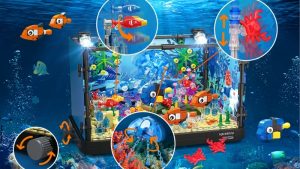
Best Aquarium Kit For Kids Gift: Top Compared Buyer Picks 2026
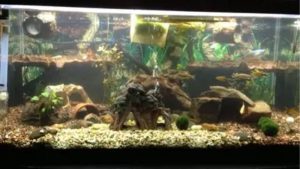
Best 40 Gallon Breeder Tank Kit: Top Compared BYOA Options