Last Updated: October 9, 2026
TL;DR: Aquarium plant super glue gel is the fastest, most reliable way to attach mosses, ferns, and rhizome plants to hardscape — no thread, no waiting, bond sets in seconds. This guide covers which glue is safe, how to apply it underwater, and which plants benefit most.
Aquarium Plant Super Glue Gel: The Aquascaper’s Fastest Attachment Tool
Cyanoacrylate adhesive — sold under dozens of brand names as super glue or Krazy Glue — has been part of the professional aquascaper’s toolkit for over two decades. In gel form it is particularly useful: thick enough to stay where you apply it on a vertical or curved surface, slow enough to allow repositioning for a few seconds before the bond sets, and safe for fish, invertebrates, and plants once fully cured. Aquarium plant super glue gel makes permanent-feeling attachment a 30-second task instead of a 10-minute threading exercise.
As an Amazon Associate we earn from qualifying purchases at no extra cost to you.


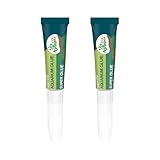
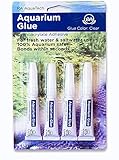


The chemistry works in your favour: cyanoacrylate cures via moisture polymerisation, meaning water actually accelerates the bond. A gel bead applied to a dry piece of driftwood or stone will cure almost instantly when the piece is submerged. The resulting polymer is inert, non-toxic, and stable across the pH and temperature ranges of virtually all freshwater and marine aquariums. It is the same adhesive used in medical wound closure — biocompatibility is not in question.
🛒 Best Price Today on Amazon
Prime members get fast, free shipping on everything above, plus member-only deals. New members get a 30-day free trial — cancel anytime.
Start 30-Day Prime Free Trial →See Today’s Amazon DealsGel vs. Liquid: Why Gel Wins for Plants
Standard thin-viscosity cyanoacrylate runs immediately on contact with any surface, making it nearly impossible to use on vertical driftwood faces or on porous stone where it wicks into the material before the plant is positioned. Gel formulations stay put for 3–8 seconds before beginning to set — long enough to press the plant rhizome into position and hold it briefly. This working time is the entire reason aquascapers prefer gel for plant attachment.
Gel also forms a slightly thicker cured bond, which provides better mechanical grip on rough surfaces like Seiryu stone and Malaysian driftwood bark texture. On smooth surfaces like glass or polished acrylic, both gel and liquid perform similarly — though neither is particularly recommended for glass-to-glass bonding in structural applications.
Top Aquarium Plant Super Glue Gel Picks




As an Amazon Associate we earn from qualifying purchases. Product prices and availability are accurate as of the date/time indicated.



As an Amazon Associate we earn from qualifying purchases. Product prices and availability are accurate as of the date/time indicated.


As an Amazon Associate we earn from qualifying purchases. Product prices and availability are accurate as of the date/time indicated.
Which Plants to Attach with Super Glue Gel
Super glue gel is appropriate for any aquatic plant that grows epiphytically — meaning it attaches naturally to hard surfaces in the wild and does not need substrate for root development. The rhizome or holdfast structure of these plants tolerates being bonded directly to hardscape without harm.
- Java fern (Microsorum pteropus): Attach the rhizome horizontally across the wood surface. Never bury the rhizome — bond the underside to hardscape instead.
- Anubias (all species): Press the thick rhizome against a shaded cave or driftwood crevice. Anubias prefers low light and benefits from positioning in shadowed zones.
- Bucephalandra: Tiny rhizomes bond easily to smooth stone. Excellent for detailed foreground hardscape work in Nature Aquarium layouts.
- Mosses (Java, Christmas, Flame, Weeping): Apply a thin line of gel to the target surface, press a thin layer of moist moss against it. The gel holds moss clusters in place while they self-attach over 2–3 weeks.
- Bolbitis heudelotii: Bond the creeping rhizome to driftwood. Growth is slow but the fern-like fronds create a dramatic biotope-accurate texture.
Spec Comparison Table
| Property | Gel Cyanoacrylate | Liquid Cyanoacrylate | Cotton Thread | Fishing Line |
|---|---|---|---|---|
| Working time | 3–8 seconds | 1–3 seconds | N/A (tie and trim) | N/A |
| Bond on vertical surface | Excellent | Poor (runs) | Good | Good |
| Plant safety | Safe when cured | Safe when cured | Safe | Safe |
| Invertebrate safe | Yes (cured) | Yes (cured) | Yes | Yes |
| White residue in tank | Minimal | Moderate (runs) | None | None |
| Permanence | Permanent until removed | Permanent | Biodegrades in months | Permanent |
Step-by-Step Application Technique
The key to a clean, reliable bond is moisture management. The target surface must be damp — not dripping — and the plant rhizome should be blotted briefly on a paper towel to remove standing water without drying the tissue. Both gel and liquid cyanoacrylate cure almost instantly on contact with standing water, leaving no time to position the plant correctly.
- Step 1: Remove the hardscape piece from the tank. Pat the target area dry with a cloth — aim for damp, not wet.
- Step 2: Apply a small pea-sized bead of gel to the attachment point. For mosses, apply a thin 2–3 mm line along the bonding surface.
- Step 3: Press the plant rhizome or moss cluster firmly against the glue bead. Hold for 5–10 seconds.
- Step 4: Allow 30–60 seconds of additional open-air cure time before returning the piece to the tank. The cured glue will turn slightly whitish — this fades within days in the tank.
- Step 5: Return the hardscape to the tank and reposition as needed. The bond is fully waterproof and will not release under normal water movement.
For in-tank emergencies — a plant that has detached mid-scape and needs immediate re-attachment — you can apply gel directly to a dry patch on the hardscape while it is still in the tank, working quickly above the waterline. This is messier but effective for small emergency fixes. Learn more attachment strategies in our aquarium plant attachment methods guide.
If you are attaching mosses to a mesh background or foreground mat, super glue gel works on the mesh frame itself while thread or fine fishing line handles the moss-to-mesh bond. The combination approach gives you permanent frame bonding with flexible moss coverage. See our aquarium moss wall guide for full technique details.
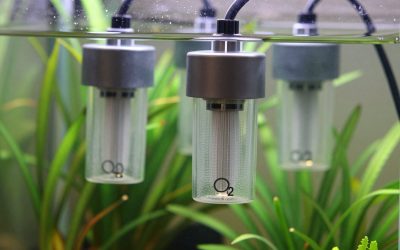
Plant positioning works hand-in-hand with your CO2 strategy — bonding plants to hardscape near CO2 diffuser output zones accelerates establishment. Coordinate hardscape and diffuser placement using our aquarium CO2 diffuser placement guide.
FAQ: Aquarium Plant Super Glue Gel
Is all super glue gel safe for aquarium plants and fish?
Pure cyanoacrylate gel — ethyl or methyl cyanoacrylate — is aquarium safe once fully cured. The concern is additives: some formulations include rubber tougheners, plasticisers, or activator chemicals that can leach into water. Stick to plain cyanoacrylate gel with no listed additives. Brands marketed specifically for aquarium use have been tested, but standard craft-store super glue gel with a simple cyanoacrylate-only ingredient list is equally safe and often cheaper.
How long does aquarium plant super glue take to fully cure underwater?
The initial mechanical bond sets within seconds of water contact. Full polymer cure — where all residual monomer has polymerised and the adhesive is fully inert — takes approximately 24 hours in a warm, well-circulated tank. During this window, the bond is functionally strong but trace monomer may be present. Sensitive invertebrates like crystal red shrimp and nerite snails are not usually affected at the quantities involved, but for ultra-sensitive setups allow 60 minutes of open-air cure before submerging.
Will super glue gel damage plant tissue if it touches the leaves?
Contact with leaf tissue causes localised cell death — the affected area turns white and eventually rots away. This looks alarming but is limited to the direct contact zone and does not spread. Trim the damaged leaf section with scissors and the plant will produce new healthy growth. Rhizome tissue is more robust and tolerates brief gel contact without lasting damage, which is why the technique works — bond the rhizome, keep glue off the leaves.
Can I use super glue gel to attach coral frags in a reef tank?
Yes — cyanoacrylate gel is the standard fragging adhesive in the reef hobby, used universally for attaching coral frags to plugs and rock. The same gel-form technique applies: blot the frag base dry, apply gel to the dry plug or rock surface, press and hold 10–15 seconds, allow 30–60 seconds before submerging. Marine-grade super glue gel and standard aquarium cyanoacrylate gel are functionally identical for this application.
How do I remove a plant that was attached with super glue gel?
Do not pull — the bond is strong enough to tear plant rhizome tissue. Instead, slide a thin blade (a craft knife or old credit card) between the plant base and the hardscape surface, applying lateral shear force rather than direct pull. The cured cyanoacrylate bond breaks cleanly under shear. Any residual glue on the hardscape can be left in place — it is inert — or scraped off with the blade edge when the piece is removed from the tank for maintenance.
Frequently Asked Questions
Is super glue safe in an aquarium?
Cyanoacrylate gel is inert once cured and is the standard method for attaching plants and coral frags. Choose a plain gel listing cyanoacrylate as the only active ingredient and avoid formulas with added solvents, accelerators or rubber fillers. It cures on contact with water, so it sets within seconds.
What can I attach with it?
Rhizome plants such as anubias, bucephalandra and java fern, plus mosses, onto rock and driftwood, along with coral frags, cracked ornaments and loose slate. Do not glue plants that grow from a crown or root system, like cryptocoryne and Amazon swords, which must be planted into substrate instead.
How do I glue plants underwater?
You can, though working out of the water is easier and neater. Pat the rhizome and the rock dry with a paper towel, apply a small dot of gel, press firmly for ten seconds, then return it to the tank. Underwater the glue turns white instantly but still holds well.
Why does the glue turn white?
Cyanoacrylate cures very rapidly in contact with water and traps microscopic bubbles, which scatter light and produce that chalky appearance. It is purely cosmetic and harmless. Hide it beneath the plant base or a little moss, and use less glue, since a thin dot whitens far less than a blob.
Will it harm fish or shrimp?
Fully cured cyanoacrylate is inert and safe around fish, shrimp and corals. The brief curing moment releases a negligible amount into a tank of water. Even so, avoid gluing directly over an animal, keep the tube away from tank water when not in use, and cure large repairs outside the tank.
Ready to decide? Our #1 pick for 2026 is the Working time.
Live price & availability on Amazon.
Related Reviews & Guides
Green Spot Algae Removal: Phosphate, Light and a Scraper
Best Aquascaping Tool Set With Tweezers and Scissors: Top