Last Updated: October 21, 2026
🛒 Best Price Today on Amazon
Prime members get fast, free shipping on everything above, plus member-only deals. New members get a 30-day free trial — cancel anytime.
Introduction
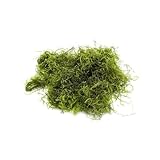
Java moss is one of the most versatile and beginner-friendly aquatic plants available, capable of growing in a wide range of water conditions and attaching itself to almost any surface in the aquarium. It provides excellent cover for fry, feeding ground for shrimp, and a natural aesthetic that softens hardscape and creates a lush, lived-in appearance. Whether you are setting up a planted tank for the first time or adding textural depth to an established aquascape, java moss belongs in virtually every freshwater setup.
As an Amazon Associate we earn from qualifying purchases at no extra cost to you.



What to Look For
- Quality and Health: Purchase java moss from reputable sellers — healthy moss is bright to medium green with no brown patches, slime, or pest snails; tissue-cultured portions from sealed cups offer the highest confidence in pest-free, disease-free stock.
- Attachment Method: You can tie moss to driftwood and rocks with fishing line, cotton thread, or mesh grids — cotton thread is popular because it biodegrades naturally once the moss has anchored itself over several weeks.
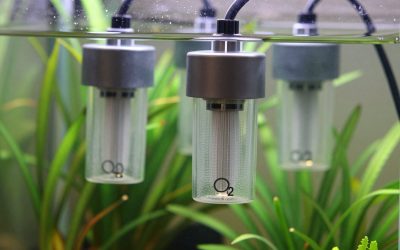
- Growth Conditions: Java moss tolerates low light and a wide pH range (5.5–8.0), but grows fastest and densest under moderate lighting with CO2 supplementation and regular nutrient dosing.
Top Picks
Greenpro Java Moss Portion in Tissue Culture Cup
Greenpro's tissue culture java moss arrives in a sealed, gel-filled cup that is completely free of snails, parasites, and unwanted algae — a significant advantage over loose portions that can introduce pests to your tank. The gel washes off easily under tap water, and the healthy starter portion is sufficient to cover a small rock or wood piece immediately upon introduction to the aquarium.
SunGrow Java Moss Driftwood for Aquarium
SunGrow's pre-attached java moss driftwood pieces offer an instant natural feature for any tank — the moss is already anchored to cured driftwood and ready to place directly in your aquarium without any preparation. These pieces are ideal for aquarists who want immediate impact without the wait of growing moss from scratch, and they work perfectly as shrimp feeding stations and fry hiding spots.
Aquatic Arts Java Moss Live Aquarium Plant
Aquatic Arts ships java moss in portions large enough to immediately carpet a significant portion of the tank floor or cover multiple pieces of hardscape. Their reputation for healthy, pest-free plants and reliable shipping makes them a go-to source for aquatic plants, and their java moss consistently arrives fresh and actively growing rather than yellowed or deteriorating.
How to Grow and Attach Java Moss
Java moss is one of the most forgiving aquatic plants available, which is a large part of its popularity. It tolerates a wide range of temperatures and water conditions, grows under low light, and needs no CO2 or special substrate, making it nearly impossible for beginners to kill. Rather than rooting in the substrate, java moss attaches itself to surfaces, so it is grown by securing a portion to driftwood, rock, or mesh. Tie it on with cotton thread or fishing line, or wedge it into crevices, and over a few weeks its tiny rhizoids grip the surface and hold it in place naturally.
Growth rate depends on conditions: brighter light, gentle water flow, and added nutrients produce denser, faster growth, while in dim, low-nutrient tanks it grows slowly but steadily. Java moss does not require trimming to survive, but periodic trimming keeps it tidy and encourages compact, bushy growth rather than long straggly strands. Because loose fragments readily attach and grow elsewhere, java moss can spread through a tank, so removing stray pieces during maintenance keeps it where you want it. Its undemanding nature makes it an ideal first live plant.
Uses for Java Moss in the Aquarium
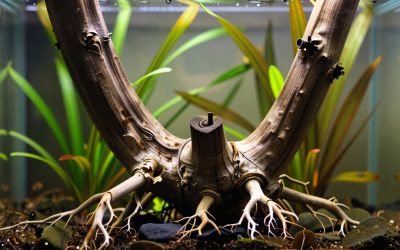
Java moss is prized for its versatility in aquascaping and fishkeeping alike. Aquascapers use it to create lush moss walls, carpets, and trees, softening hardscape and giving tanks a mature, natural appearance. Tied to mesh, it forms a green wall or carpet; wrapped around driftwood branches, it mimics foliage. Because it grows on surfaces rather than in substrate, it works in setups where rooting plants are impractical, including bare-bottom tanks and hardscape-focused layouts.
Beyond aesthetics, java moss serves practical roles. Its dense, tangled structure provides outstanding cover for fish fry and shrimp, offering protection from larger tank mates and a place to hide and forage. Shrimp keepers especially value java moss because it traps tiny food particles and hosts microorganisms that shrimp and fry graze on, supporting their growth. It also offers a spawning surface for egg-scattering fish. Like all plants, it contributes to water quality by absorbing nitrogen waste. This combination of easy care, attractive form, and genuine usefulness makes java moss a staple in countless aquariums, from breeding setups to elaborate aquascapes.
Frequently Asked Questions
How do I attach java moss?
Tie it to driftwood, rock, or mesh with cotton thread or fishing line, or wedge it into crevices. Over a few weeks its rhizoids grip the surface and hold it in place naturally.
Does java moss need CO2 or special light?
No. Java moss grows under low light without CO2 or special substrate, which is why it is so beginner-friendly. Brighter light and nutrients simply produce denser, faster growth.
Is java moss good for shrimp and fry?
Yes. Its dense structure provides excellent cover for shrimp and fry while trapping food particles and hosting microorganisms they graze on. It is a favorite in breeding and shrimp tanks.
Why is my java moss turning brown?
Browning often results from poor water flow, trapped debris, or low light, which cause the inner strands to die back. Trimming, improving circulation, and gentle cleaning usually restore healthy growth.
How do I keep java moss from spreading everywhere?
Loose fragments readily attach and grow elsewhere, so remove stray pieces during maintenance and trim it regularly. Keeping it contained on its intended surface prevents it from taking over the tank.
How fast does java moss grow?
Java moss grows slowly to moderately depending on light and nutrients, growing faster under brighter light with gentle flow. Even in low-light tanks it grows steadily, which is part of why it is so easy to keep.
Can java moss grow floating?
Yes, java moss survives floating, though it grows densest when attached to a surface where its rhizoids can grip. Many keepers anchor it to driftwood or mesh for a tidier, more controlled appearance.
Final Thoughts
Java moss is an indispensable plant for freshwater aquariums of all types, providing biological filtration surface area, natural shelter, and a timeless aesthetic that works in everything from simple community tanks to elaborate Dutch-style aquascapes. Start with a healthy portion from a reputable source, give it time to establish, and it will reward you with years of lush, self-sustaining growth.
Best Substrate for Axolotl Tank Safety: Careful Buyer Guide
5 Best Aquarium Rocks Aquascapings (2026)