Last Updated: September 25, 2026
Best substrate for african cichlids is decided by one question before appearance: does your tap water already hold KH at 10 dKH (179 ppm) or higher? If it does, an inert sand works. If it does not, the substrate has to buffer, and that narrows the field sharply. Grain size and bed depth then decide the rest of the shortlist.
As an Amazon Associate we earn from qualifying purchases.
As an Amazon Associate we earn from qualifying purchases at no extra cost to you. Prices and availability are accurate as of the date shown and are subject to change.

CaribSea Aquatics Eco-Complete African Cichlid Zack Sand, 20-Pound, Black
Selected for "Best Substrate for African Cichlids: Compared by Numbers": this listing is substrate and hardscape (CaribSea Aquatics Eco-Complete African Cichlid Zack Sand, 20-Pound, Bl), matching the equipment this article covers.
View on Amazon
CaribSea Eco-Complete African Cichlid Substrate – 20 lb – Live Sand for Aquariums – Supports High pH, Buffers Water for Life – Ideal for African Cichlids
Selected for "Best Substrate for African Cichlids: Compared by Numbers": this listing is substrate and hardscape (CaribSea Eco-Complete African Cichlid Substrate – 20 lb – Live Sand fo), matching the equipment this article covers.
View on Amazon
CaribSea African Cichlid Mix Sahara Sand - 20 lb - Natural Substrate Buffers pH, Ideal for African Cichlids, Enhances Color & Behavior in Freshwater Aquariums
Selected for "Best Substrate for African Cichlids: Compared by Numbers": this listing is substrate and hardscape (CaribSea African Cichlid Mix Sahara Sand - 20 lb - Natural Substrate B), matching the equipment this article covers.
View on Amazon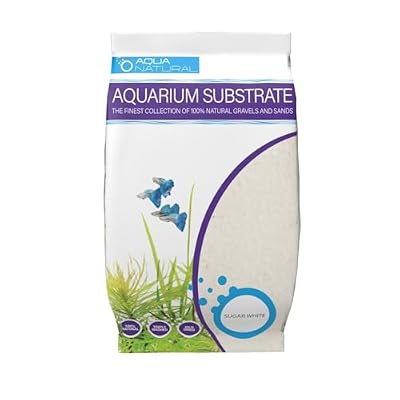
Aqua Natural Aquarium Substrate, African CICHILD Aragonite Sand, 10LB
Selected for "Best Substrate for African Cichlids: Compared by Numbers": this listing is substrate and hardscape (Aqua Natural Aquarium Substrate, African CICHILD Aragonite Sand, 10LB), matching the equipment this article covers.
View on AmazonBy David Nguyen
Quick answer: For most people in 2026, the best substrate for african cichlids is the Fine aragonite sand — our #1 rated choice. See the full ranked comparison, alternatives and buying advice below.
Buffering Capacity and Grain Size Come First
Choosing the best substrate for african cichlids means balancing chemistry against mechanics. The bed has to hold carbonate hardness where the fish need it, stay put while they dig, and let waste be siphoned rather than swallowing it out of reach below the surface.
The Deciding Number: Buffering Capacity and Grain Size
Buffering comes first. Aragonite and crushed coral are calcium carbonate and dissolve slowly as pH drifts down, holding KH in the 10-18 dKH (179-322 ppm) band that Malawi species need. Silica sands and standard gravels are inert and change nothing about your water.
Grain size decides the mechanics. Anything in the 0.5-2 mm range stays put under digging, keeps waste on the surface where a siphon reaches it, and is safe for species that sift sand through their gills. Below 0.4 mm the bed compacts; above 3 mm waste falls in.
Two More Criteria With Numbers Attached
Depth matters more than most guides admit. Rift lake tanks want 1-2 in (2.5-5 cm) across the open floor, which is enough for the fish to move and for a buffering bed to stay active. Shell dwellers are the exception and need 3-4 in (7.6-10 cm).
Weight is the practical constraint. Sand runs roughly 1-1.5 lb per gallon per inch of depth (about 0.5-0.7 kg per 3.8 L per 2.5 cm), so a 75 gallon (284 L) tank at 1.5 in (3.8 cm) of sand carries 110-160 lb (50-73 kg) before any rock.
Tank Size, Placement and Fit
Measure the tank footprint and multiply before ordering, since a 48 x 18 in (122 x 46 cm) base at 1.5 in (3.8 cm) needs noticeably more sand than the bag sizing charts suggest. Buying short means a second delivery and a partial redo.
Rock structure sits on the bottom glass or on eggcrate and foam, with sand poured around it afterwards. That order matters regardless of which substrate you pick, because these fish excavate and any pile resting on sand will eventually undermine itself and settle hard.
The Options by Water Supply and Species
Four substrate classes cover essentially every rift lake build. Each is matched below to a water supply and a species group, because the best substrate for african cichlids depends far more on what comes out of your tap than on how the bed looks.
Fine Aragonite Sand: For Soft or Moderately Soft Tap Water
Main numbers: 0.5-1.5 mm grain, actively buffering, laid 1-2 in (2.5-5 cm) deep. This is the default answer where tap water sits below 8 dKH (143 ppm), because the bed holds carbonate hardness passively between water changes without any dosing routine.
It suits Malawi mbuna, peacocks and sand-sifting species that pass substrate through their gills. It does not suit anyone wanting a permanently maintenance-free bed, since aragonite dissolves as it works and a two-year-old buried bed buffers noticeably less than a fresh one.
Crushed Coral: For Topping Up Buffering Without Redoing the Bed
Main numbers: 2-5 mm grain, strongly buffering, used as a 10-20% blend into sand or held in a filter media bag. As a full substrate the grain is coarse enough that waste falls between particles and stays there, which is why the blend approach is better.
It suits established tanks where KH has drifted down and the owner does not want to strip the tank. It does not suit sand-sifting species as a surface layer, and it does not suit anyone who dislikes checking a filter bag as part of the monthly routine.
Pool Filter Sand: For Tap Water That Is Already Hard
Main numbers: 0.45-0.85 mm silica grain, chemically inert, the cheapest option per pound by a wide margin. Where tap water already delivers 10 dKH (179 ppm) or more, buffering substrate is redundant and this gives the same mechanics for far less money.
It suits keepers on hard municipal supplies and anyone stocking Tanganyikan shell dwellers, who need depth more than chemistry. It does not suit soft water at all, since an inert bed leaves KH to fall as nitrate accumulates and pH follows it down between changes.
Bare Bottom: For Grow-Out, Breeding and Maximum Export
Main numbers: zero bed depth, zero buffering, and waste export approaching 100% because nothing settles out of reach. Turnover requirements stay at 8-10x per hour, but siphoning becomes a two-minute job rather than a slow pass across a sand surface.
It suits grow-out tanks, breeding setups and anyone running very dense mbuna stocking who wants nitrate as low as possible. It does not suit a display tank with sifting species, and buffering then has to come from crushed coral in the filter instead.
| Option | Grain size | Buffering | Bed depth | Best for |
|---|---|---|---|---|
| Fine aragonite sand | 0.5-1.5 mm | Active, holds 10-18 dKH | 1-2 in (2.5-5 cm) | Soft tap water, sifting species |
| Crushed coral, blended | 2-5 mm | Strong, 10-20% blend | Mixed into sand | Topping up a drifting KH |
| Pool filter sand | 0.45-0.85 mm | None, inert | 1-2 in (2.5-5 cm) | Already-hard tap water, budget |
| Shell dweller sand bed | 0.5-1.5 mm | Depends on type | 3-4 in (7.6-10 cm) | Tanganyikan shell dwellers |
| Bare bottom | None | Filter bag only | Zero | Grow-out, breeding, dense stocking |
Head to Head, and When Not to Buy
Two of these get compared constantly, and there is also a case where new substrate is simply the wrong purchase. The best substrate for african cichlids is sometimes the one already in the tank, with a change made somewhere else entirely.
Aragonite Versus Pool Filter Sand
Mechanically they are close: both sit in the 0.4-1.5 mm range, both stay put, both siphon well. The only real difference is chemistry, and that difference only matters if your tap water is soft. Test KH straight from the tap before deciding between them.
Cost separates them sharply. Pool filter sand is a fraction of the price per pound, so on a hard water supply the aragonite premium buys nothing. On soft water the position reverses, since replicating that buffering by dosing is a recurring job you will eventually forget.
When New Substrate Is the Wrong Fix
Falling KH in an established tank is more often an exhausted or buried bed than a wrong choice of material. Siphon the surface properly, check whether the aragonite has been covered by detritus, and add crushed coral to the filter before stripping the tank down.
Rising nitrate is a stocking, feeding or turnover problem rather than a substrate problem. Swapping sand will not lower it. Measure loaded turnover against the 8-10x target and count what goes into the tank at feeding time before assuming the bed is at fault.
The Cheaper Route That Works
Crushed coral in a media bag inside the canister gives most of the buffering benefit for a small fraction of the cost of a full aragonite bed, and it can be topped up in a few minutes without disturbing the fish, the rock structure or the sand bed at all.
Pool filter sand plus that filter bag is the budget combination for a soft water supply. It costs less than aragonite, buffers adequately, and puts the consumable somewhere you can inspect rather than buried under 1.5 in (3.8 cm) of substrate and a rock wall.
Living With It, and the 12-Month Cost
Substrate is the one component you cannot service without dismantling the tank, so the best substrate for african cichlids is partly the one whose failure mode you can live with. This section covers what degrades, what you keep buying, and the practical points that only appear months after the bed goes in.
What Degrades in the Bed
Aragonite and crushed coral dissolve as they buffer, which is the mechanism working correctly, but the effect is a bed that holds less KH each year. Falling carbonate hardness with an unchanged water change routine is usually the substrate rather than the tap supply.
Detritus accumulation is the other failure. A buried bed is a chemically inactive bed, and in a densely stocked mbuna tank the surface can seal within months. Siphon the open floor weekly and disturb the top half inch rather than skimming across it.
Consumables and Recurring Spend
The recurring cost of a buffering substrate is replacement carbonate, whether that is topping up the bed every two to three years or refilling a filter bag every six to twelve months. Inert sand has no recurring cost but shifts the buffering job elsewhere.
Budget for a KH test kit as part of this decision. It is the only way to know whether the bed is still working, and a liquid kit holds accuracy better than strips, which drift quickly once the container has been opened to humidity in a warm room.
Safety, Handling and Timing
Rinse any sand thoroughly before it goes in, in batches, until the water runs clear. Unrinsed sand clouds a tank for days and drives fine particles into a canister impeller, which is a slow way to lose flow on a filter that was correctly sized.
On timing, substrate is heavy and shipping dominates its price, so bulk purchases in the late June and late November discount windows are worth planning. Prices move constantly, so check at the moment of purchase, and remember a substrate change does not shorten cycling.
Best Substrate for African Cichlids: Questions
These come up after the tap water test but before the order is placed. Every answer about the best substrate for african cichlids stays with grain size, buffering and depth rather than appearance, since the visual difference here is far smaller than the chemical one.
Can I use gravel instead of sand?
You can, but waste falls between particles and stays there, which raises nitrate in a tank already stocked densely. Sifting species also cannot use it as intended. Where gravel is already in place, siphon deeply rather than skimming, and expect higher nitrate readings.
How deep should the bed be?
One to two inches (2.5-5 cm) across the open floor for Malawi species, and 3-4 in (7.6-10 cm) for Tanganyikan shell dwellers that need to excavate. Deeper beds in a rock-heavy tank create anaerobic pockets without giving the fish anything they use.
Will aragonite raise pH too far?
No. Carbonate dissolves only as pH falls, so it acts as a floor rather than a pump, and it settles the tank in the 7.8-8.6 band that Malawi species want. That self-limiting behaviour is exactly why it beats dosing a pH-up product, which raises and then drops.
Can I change substrate with fish in the tank?
It is possible in sections over two or three weeks, removing and replacing a third at a time, but it disturbs the rock structure and the social order. Where the tank is already stable, adding crushed coral to the filter is the lower-risk route.
See More:
Conclusion
The best substrate for african cichlids is fine aragonite sand at 0.5-1.5 mm, laid 1-2 in (2.5-5 cm) deep, wherever tap water sits below 8 dKH (143 ppm). It holds carbonate hardness passively and suits sifting species without any additional routine.
On hard tap water, or on a tight budget, pool filter sand at the same grain size does the mechanical job for far less, with crushed coral in a filter bag covering buffering if KH later drifts. Either way, test the tap first, because that reading decides everything.
Ready to decide? Our #1 pick for 2026 is the Fine aragonite sand.
Live price & availability on Amazon.
Related Reviews & Guides

Tetra Whisper vs Aqueon Quietflow Filters: Top Compared Pick

4 Best Aquarium Auto Feeders for Vacation