Last Updated: October 19, 2026
For a small planted tank where you want real gas injection without buying a full cylinder rig, the NovAbyss CO2 kit with regulator is the best overall pick in this group: it bundles a regulator, a push-fit bubble counter and two 16 g cartridges in a compact 5.5 by 2 inch package. Larger or demanding tanks are better served by a refillable cylinder, and low-tech tanks can get by with liquid carbon. A CO2 system for a planted aquarium simply delivers dissolved carbon dioxide, the raw material plants use to grow.
Quick List
- NovAbyss CO2 Kit – best for small tanks that need a regulator and cartridges in one compact kit
- API CO2 Booster (8 oz) – best for a low-tech trial of liquid carbon in a small tank
- Ultum Nature Systems CO2 Cylinder Pro – best for building a refillable pressurized setup
- Enkreefi 2L CO2 Generator System – best for a self-contained generator with a solenoid valve and bubble counter
- FZONE Smart Dual-Chamber CO2 Generator Kit – best for a low-pressure generator kit with a more automated design
- API CO2 Booster (16 oz) – best for larger or longer-running liquid carbon dosing
Which One Is Right for You?
| If you… | Choose |
|---|---|
| Want a plug-and-play regulator kit for a small high-light tank | NovAbyss CO2 Kit |
| Already have a regulator and want a refillable cylinder | Ultum CO2 Cylinder Pro |
| Prefer a low-pressure generator over a high-pressure cylinder | FZONE Dual-Chamber Kit |
| Want a generator reactor with a built-in solenoid and bubble counter | Enkreefi 2L Generator |
| Keep easy plants under modest lighting and want the simplest start | API CO2 Booster 8 oz |
| Dose liquid carbon regularly in a big tank or several tanks | API CO2 Booster 16 oz |
These six products come from three different families, so the first decision is how much carbon your plants actually need. Fast-growing stem plants under strong light want a steady gas supply, while anubias and java fern may do fine with none at all. Pick the family first, then the product, and do not expect liquid carbon to behave like injected gas.

NovAbyss Aquarium CO2 Kit with Regulator, 2 x 16g Cartridges, 3/8" Thread | Compact 5.5 x 2 in system includes 2 cartridges, push-fit bubble counter, diffuser and 6.5 ft tubing for planted nano tanks
Included for '6 Best Co2 Systems for Planted Aquariums (October 2026) Top Reviews' because the listing specifies 2 x 16g Cartridges and 3/8" Thread, details this guide uses to compare options.
View on Amazon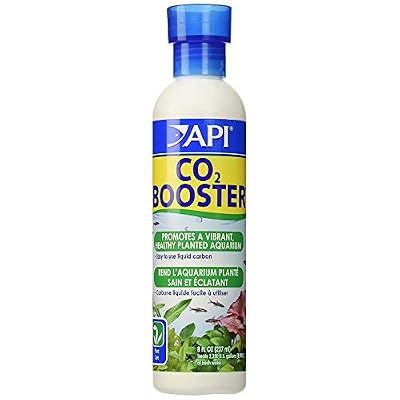
API Co2 Booster Freshwater Aquarium Plant Treatment 8 Fl oz Bottle
Included for '6 Best Co2 Systems for Planted Aquariums (October 2026) Top Reviews' as a relevant option in this category; details come from the product listing.
View on Amazon
Ultum Nature Systems CO2 Cylinder Pro for Planted Aquariums - CO2 Tank w/On/Off Valve, Aluminum CO2 Canister for Aquarium Plants - Tank for Fishtank CO2 & Aquarium Accessories - 5LB
Included for '6 Best Co2 Systems for Planted Aquariums (October 2026) Top Reviews' because the listing specifies CO2 Tank w/On/Off Valve and Aluminum CO2 Canister for Aquarium Plants, details this guide uses to compare options.
View on Amazon
Enkreefi 2L Aquarium CO2 Generator System with Solenoid Valve & Bubble Counter – Complete Carbon Dioxide Reactor Kit for Planted Tanks
Included for '6 Best Co2 Systems for Planted Aquariums (October 2026) Top Reviews' because the listing specifies Complete Carbon Dioxide Reactor Kit for Planted Tanks, details this guide uses to compare options.
View on Amazon
FZONE Aquarium CO₂ Generator Kit, Smart Dual-Chamber System for Plant Tank | Stable CO₂ Output, Safer, Low Pressure, Complete Kit, Smart Control, Safety Valve, Solenoid, CO₂ Diffuser and CO₂ Tubing
Included for '6 Best Co2 Systems for Planted Aquariums (October 2026) Top Reviews' because the listing specifies Smart Dual-Chamber System for Plant Tank and Stable CO₂ Output, details this guide uses to compare options.
View on Amazon
API Co2 Booster Freshwater Aquarium Plant Treatment 16 oz Bottle, Brown
Included for '6 Best Co2 Systems for Planted Aquariums (October 2026) Top Reviews' because the listing specifies Brown, details this guide uses to compare options.
View on AmazonAll 6 Picks in Detail
1. NovAbyss Aquarium CO2 Kit with Regulator – Best Compact Cartridge Kit
As an Amazon Associate we earn from qualifying purchases at no extra cost to you.

This is a small gas-injection system built around disposable 16 g cartridges with a 3/8 inch thread. The listing describes a compact 5.5 by 2 inch regulator unit, two cartridges included, and a push-fit bubble counter. That makes it the easiest true CO2 setup to try on a nano or 10-gallon tank without a bulky cylinder.
Who it suits: hobbyists who want to test injected CO2 before investing in a cylinder. Small cartridges run out quickly, so the ongoing cost and refill routine are the trade-off; confirm the cartridge run time against your bubble rate before committing.
Setup is straightforward: thread the regulator onto a cartridge, run airline tubing to a diffuser or in-tank reactor, and open the needle valve a fraction at a time until the bubble counter shows a slow, steady count. Keep the regulator above the water line or use a check valve so water cannot travel backward. Because the cartridge is small, it works best on tanks of roughly 10 gallons or less, and larger volumes will empty it very fast.
- Regulator included with a 3/8 inch cartridge thread
- Two 16 g CO2 cartridges in the box
- Compact body, about 5.5 by 2 inches
- Push-fit bubble counter noted in the listing
- Needle valve, check valve and diffuser details: confirm on listing
Pros
- Real gas injection at a small scale
- Compact and quick to set up
Cons
- Disposable cartridges are short-lived and need constant replacement
- Limited headroom for large tanks
Compared with the Ultum cylinder, it trades capacity for convenience.
2. API CO2 Booster, 8 oz – Best Entry-Level Liquid Carbon
This product is a freshwater plant treatment sold as a liquid, not a gas system, so it belongs in the guide as a runner-up for readers who want to try something simple. You dose the liquid on a schedule instead of plumbing in a regulator, which suits low-tech tanks with slow growers. It does not deliver the dissolved gas that a regulator-and-diffuser system produces.
Who it suits: a ten or twenty gallon tank with modest lighting, a few rooted plants and no appetite for equipment. Follow the dosing instructions on the bottle exactly, and watch sensitive plants for melting after the first week, since some liquid carbon products are known to bother delicate species.
Think of this bottle as a bridge for keepers who are not ready for hardware. Start at half the labeled dose for the first week, watch plant tips and any shrimp or snails, and only step up if everything looks healthy. If you later move to injected gas, stop the liquid so you are not stacking two carbon sources at once.
- 8 fluid ounce bottle
- Freshwater aquarium plant treatment
- Dosed by hand rather than injected
- No regulator, tank or tubing required
- Exact active ingredient and dose rate: confirm on the label
Pros
- Zero hardware to set up
- Easy to stop if plants dislike it
Cons
- Not a substitute for pressurized CO2 in high-light tanks
- Needs regular dosing, and effects are modest
It is the small-bottle version of the 16 oz option and the cheapest way to try the approach.
3. Ultum Nature Systems CO2 Cylinder Pro – Best Refillable Cylinder

The Ultum is an aluminum CO2 canister with an on/off valve, sold as a tank for planted aquariums. It is a component, not a complete system: you will still need a regulator, tubing, a check valve and a diffuser, so read the listing for the cylinder size and thread type before buying matching parts.
Who it suits: aquascapers with a medium to large tank who want months between refills rather than days. A cylinder stores gas at high pressure, so keep it upright and secured, away from heat, and have it filled only at a licensed refill station.
Check the thread standard on the cylinder against the regulator you plan to use, because CO2 fittings are not universal and adapters add leak points. Test every joint with soapy water after pressurizing, and fix leaks before the tank gets gas. A cylinder is also a good long-term choice if you plan to upgrade tanks, since it outlives the aquarium it first serves.
- Aluminum CO2 cylinder for planted aquariums
- On/off valve included
- Regulator not included; confirm on listing
- Capacity and thread size: confirm on listing
- Refillable at a gas supplier
Pros
- Long run time between fills
- Refilling is cheaper than buying cartridges
Cons
- Requires a separate regulator and accessories
- Refill logistics and safe handling are on you
Next to the NovAbyss, it suits a permanent setup rather than a trial.
4. Enkreefi 2L CO2 Generator System – Best Generator with a Solenoid

The Enkreefi is described as a complete carbon dioxide reactor kit with a 2 L generator, a solenoid valve and a bubble counter. Generator-style systems produce CO2 from a chemical reaction instead of a pressurized bottle, so they run at much lower pressure; check the listing for how the reactant is replenished and how long a charge lasts.
Who it suits: planted tank keepers who want a gentler, lower-pressure route to CO2 and like the idea of electronic shut-off with the solenoid. Because output from reactions rises and falls, a drop checker is especially important with this style.
Generator kits reward patience. Expect a warm-up period after each recharge before the bubble rate settles, and avoid making big adjustments in the first hour. Place the reactor where it can be checked easily, and keep it out of direct sun, since temperature changes the speed of the reaction. Read the listing closely for the reactant type and any instructions on safe disposal of the spent mixture.
- 2 L generator vessel
- Solenoid valve for on/off control
- Bubble counter included
- Marketed as a complete kit for planted tanks
- Reactant type, run time and timer compatibility: confirm on listing
Pros
- Solenoid enables a lights-synchronized schedule
- Low-pressure design is less intimidating than a cylinder
Cons
- Output can vary as the reaction progresses
- Recharging is a recurring chore
Compared with the FZONE, it leans on the solenoid for control rather than a dual-chamber design.
5. FZONE Aquarium CO2 Generator Kit, Smart Dual-Chamber – Best Low-Pressure Smart Kit

The FZONE kit is a dual-chamber generator marketed for stable CO2 output, lower pressure and a safer design, with a smart control feature mentioned in the listing title. The listing text is cut off, so check whether the controller is a timer, a pressure sensor or something else.
Who it suits: hobbyists who want a plug-in, mostly automatic CO2 source for a small or medium planted tank and who prefer to avoid handling pressurized gas. Even with a low-pressure system, install a check valve between the generator and the tank, since water can siphon back through tubing.
Smart or automatic features are only as good as their sensors, so look for details about what is being measured and how the kit responds. Even with a controller, you remain responsible for watching the fish and the drop checker, especially in the first week of use or after changing the light schedule.
- Dual-chamber generator design
- Described as low pressure and safer
- Complete kit for a planted tank
- Smart control feature listed
- Reactant refill method and tank size rating: confirm on listing
Pros
- Designed for steadier output than a single-chamber DIY bottle
- Complete kit with fewer separate parts
Cons
- Ongoing consumables to replace
- Limited information in the title on capacity
It is the more automated alternative to the Enkreefi.
6. API CO2 Booster, 16 oz – Best Larger Liquid Carbon Bottle

This is the same kind of liquid plant treatment as the 8 oz bottle, in a larger size. The 16 fluid ounce bottle makes more sense for a bigger tank or for keepers who dose several tanks, since the per-dose volume is the same and the bottle lasts longer.
Who it suits: low-tech aquariums that already have decent lighting, fertilizer and a stable routine. As with all liquid carbon, it is a supplement rather than a replacement for pressurized CO2, and the label should be the final word on dose and compatibility with sensitive plants.
Store the bottle out of direct light and heat, and always shake or measure as the label directs. Because a larger bottle tempts people to dose more, keep a simple log of the date and amount so you can tie any plant changes, good or bad, to the right cause.
- 16 fluid ounce brown bottle
- Freshwater aquarium plant treatment
- No equipment required
- Hand-dosed on a regular schedule
- Dose per gallon and ingredients: confirm on the label
Pros
- Lasts longer between purchases
- Simple for beginners
Cons
- Does not create dissolved gas the way a regulator does
- Results are subtle compared with injection
Pick it over the 8 oz bottle only if you will actually use the extra volume.
Specs Compared
| Product | System type | CO2 source | Regulator or control | Key detail |
|---|---|---|---|---|
| NovAbyss CO2 Kit | Pressurized cartridge kit | 2 x 16 g cartridges, 3/8 inch thread | Regulator included | Compact 5.5 x 2 in; push-fit bubble counter |
| API CO2 Booster 8 oz | Liquid carbon | Bottle, hand-dosed | None | 8 fl oz |
| Ultum CO2 Cylinder Pro | Cylinder only | Refillable aluminum tank | On/off valve; regulator confirm on listing | Capacity: confirm on listing |
| Enkreefi 2L Generator | Generator reactor kit | 2 L generator | Solenoid valve; bubble counter | Run time: confirm on listing |
| FZONE Dual-Chamber Kit | Generator kit | Dual-chamber generator | Smart control; confirm details | Low pressure design |
| API CO2 Booster 16 oz | Liquid carbon | Bottle, hand-dosed | None | 16 oz brown bottle |
How We Chose These
This list starts from the products currently offered for planted-tank carbon. We sorted them by delivery method, because pressurized gas, chemical generators and liquid carbon work differently and should not be compared on one scale. We checked listing titles and specification fields, then read the listing descriptions alongside general aquascaping references on CO2 levels, drop checkers and safety. Where a title was silent on capacity, thread size or run time, we said to confirm it rather than guess. This is a research-based guide, not a product trial, and the order reflects fit for typical planted tanks, not measured results.
What to Look For
Match the method to your plants and light
Plants use carbon as fast as light lets them. Low-light species such as anubias, java fern and cryptocoryne usually grow without any added CO2. Stem plants, carpeting plants and red species under strong lighting often stall or invite algae unless carbon is supplied. If your light is moderate and your plants are easy, liquid carbon or nothing may be enough; if you run a bright fixture, a gas system is the more reliable route.
Tank size and plant mass
The larger the tank and the denser the planting, the more carbon you need and the more a bigger source pays off. As a rough guide, tanks under 10 gallons can live on cartridges, 10 to 40 gallons suit a small cylinder or a generator, and larger tanks usually justify a full cylinder with a regulator and solenoid. Heavily planted tanks consume far more than a few stems, so increase the bubble rate slowly as the plants fill in and not all at once.
Target level and the pH-KH relationship
Most planted-tank guides aim for roughly 30 ppm of dissolved CO2, which is plenty for growth and generally below the level that stresses fish. You can estimate it from carbonate hardness (KH) and pH: CO2 in ppm is about 3 times the KH times 10 raised to the power of 7 minus the pH. Worked example: with a KH of 4 and a pH of 6.6, that is 3 x 4 x 10^0.4, or about 30 ppm. This only holds for plain tap-water setups without peat or acidic buffers, so a drop checker is a better day-to-day guide.
Safety: regulators, check valves and overdose
Too much CO2 harms fish before it harms plants, so aim for gradual increases. Use a drop checker filled with 4 dKH reference solution, aiming for a lime green color rather than yellow, and watch your fish for gasping at the surface. Fit a check valve to keep water from flowing backward into a regulator or generator. Pressurized cylinders and cartridges should be stored upright and away from heat. Never tighten fittings with force, and replace cracked tubing immediately.
Bubble rate, timing and surface agitation
A common starting point is about one bubble per second for a 10 to 20 gallon tank, adjusted using the drop checker over several days. Start the gas an hour or two before the lights come on so levels are ready when photosynthesis begins, and shut it off an hour before lights out. Because plants stop using CO2 at night, gentle surface agitation after lights out helps oxygen return. A solenoid and a plug-in timer make this schedule automatic.
Diffusion and distribution
Dissolving gas is as important as producing it. A ceramic diffuser, an in-line reactor or a diffuser placed under a filter outlet breaks bubbles into a fine mist that dissolves before reaching the surface. Large bubbles that float away waste gas and make the bubble counter misleading. Point the filter output so the mist circulates through the whole tank, including corners, because plants in dead spots can still suffer from a shortage even when the average level looks right.
Running costs and refills
Cartridges cost little to start but add up when you swap them every week or two; cylinders cost more initially but refill cheaply; generators require recurring reactants; liquid carbon requires a steady supply of bottles. Add up the full cost over six months before choosing.
Questions
Do planted aquariums need CO2?
Not all of them do. Low-light tanks with slow growers often thrive without it, while bright tanks with demanding stem or carpet plants usually need a CO2 source to avoid algae problems.
Is liquid carbon the same as CO2 injection?
No. Liquid carbon is a dosed supplement, while injection adds dissolved carbon dioxide gas to the water. Many keepers find liquid carbon gives a smaller effect, and some plants dislike it.
How do I know if I am adding too much CO2?
Watch the fish for rapid breathing or gathering near the surface, and check the drop checker color. If it turns yellow or fish look stressed, turn the gas off, increase surface agitation and do a partial water change.
Can I run CO2 all day and night?
It is better not to. Plants do not use CO2 in the dark, so levels can climb while oxygen falls. Run the gas only during the light period, with a solenoid and a timer if possible.
Are generator kits safe?
They run at lower pressure than a cylinder, which many hobbyists find reassuring. They still need a check valve, secure tubing and careful dosing, and the output is less predictable than a regulated supply.
How long does a 16 g cartridge last?
It depends on tank size, bubble rate and how well the diffuser dissolves the gas, so there is no single answer. Many keepers find small cartridges last from a few days to a few weeks, and the listing should state any estimated runtime.
Update History
- October 14, 2026 – Initial publication; product set drawn from current catalog listings.
- Check the product page for current specifications and availability before buying.
Sources
- Retailer listing titles and specification fields for each product
- General aquascaping references on CO2 targets, drop checkers and the pH-KH relationship