Last Updated: October 21, 2026
- Low-Tech Planted Tank at a Glance
- What “Low-Tech” Actually Means
- Choosing Plants for a Low-Tech Tank
- Substrate Options
- Light and Photoperiod
- Fertiliser Strategy
- Fish Load and Feeding
- Starting a Low-Tech Tank: A Step-by-Step Order
- Maintenance Schedule
- Troubleshooting Typical Mistakes
- Tank Size Considerations
- Frequently Asked Questions
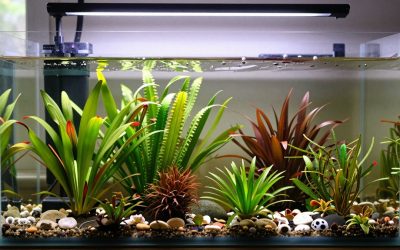
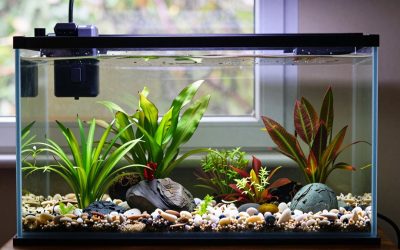
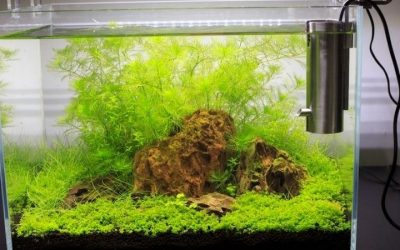
A low-tech planted tank is an aquarium that grows plants without injected CO2, using modest light, hardy plants, a nutrient-holding substrate, light fertilising and a stable routine. It works because slow-growing plants need little of everything, so the system stays balanced as long as light is kept restrained. Most failures come from running too much light, planting too sparsely, or treating the tank like a high-tech setup. Done sensibly, it offers a calm, forgiving tank that suits beginners and busy keepers.
Low-Tech Planted Tank at a Glance
| Element | Typical guidance | Why it matters |
|---|---|---|
| CO2 | None injected | Plants rely on carbon naturally present in water, so growth is slower |
| Light intensity | Roughly 15-40 PAR at the substrate (sources vary); avoid going much above the 40s | High light without CO2 creates demand the system cannot meet and invites algae |
| Photoperiod | About 6-8 hours on a timer; some start at 6 and raise slowly | Longer days rarely help plants but often help algae |
| Substrate | Nutrient-holding material, often a soil-based or porous high-CEC substrate, or root tabs under inert gravel | Supplies nutrients to rooted plants |
| Fertiliser | Small, regular doses of a complete liquid fertiliser | Prevents deficiencies without overfeeding algae |
| Plant density | Heavy planting from day one | Plants outcompete algae for nutrients |
| Flow and surface | Good circulation and surface movement | Gas exchange and nutrient delivery |
| Growth speed | Slow to moderate | Less pruning, but less margin for error with light |
What “Low-Tech” Actually Means
The term describes the equipment and the growth rate, not the quality of the result. In a high-tech tank, pressurised CO2, strong light and frequent fertiliser dosing push plants to grow fast, and the keeper compensates with frequent trimming and water changes. A low-tech tank deliberately lowers all of those inputs. Light is moderate, CO2 is whatever dissolves naturally from the air and from fish and bacterial respiration, and nutrients come from fish waste, the substrate and light dosing.

ThriveC Aquarium Plant Fertilizer, All‑in‑One 500ml for Low‑Tech Tanks | All-in-one plant nutrition for low-tech tanks with macros, micros and minerals. Safe for fish, shrimp and snails.
Included for 'Low-Tech Planted Tank: Plants, Substrate and Light Without CO2' because the listing specifies All‑in‑One 500ml for Low‑Tech Tanks and All-in-one plant nutrition for low-tech tanks with macros, details this guide uses to compare options.
View on Amazon
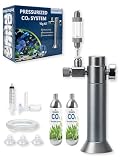
Aquarium CO₂ Systems Made Simple : Low‑Tech and High‑Tech Solutions for Planted Tanks
Included for 'Low-Tech Planted Tank: Plants, Substrate and Light Without CO2' as a relevant option in this category; details come from the product listing.
View on Amazon
Your First Low-Tech Planted Aquarium: A 90-Day Plan for a Stable Freshwater Tank Without Injected CO₂
Included for 'Low-Tech Planted Tank: Plants, Substrate and Light Without CO2' as a relevant option in this category; details come from the product listing.
View on Amazon
FZONE Aquarium Soil for Planted Tanks,No Rinsing Aquarium Substrate 8L/18lb | Nutrient-Rich Organic Formula, Shrimp&Fish Safe, 3mm Granule Size, Dust-Free, pH Stable,for Aquarium Plant Growth
Included for 'Low-Tech Planted Tank: Plants, Substrate and Light Without CO2' because the listing specifies No Rinsing Aquarium Substrate 8L/18lb and Nutrient-Rich Organic Formula, details this guide uses to compare options.
View on AmazonThe key principle repeated across planted-tank resources is balance. Light drives plant demand for nutrients and carbon. If light is raised without raising CO2, plants cannot use it, and algae move in to take advantage. Success in a low-tech tank comes from restraint rather than maximum output.
Choosing Plants for a Low-Tech Tank
Pick species that cope with modest light and no CO2. Commonly recommended groups include:
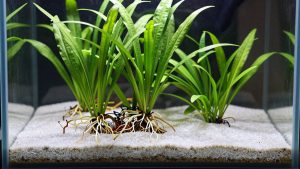
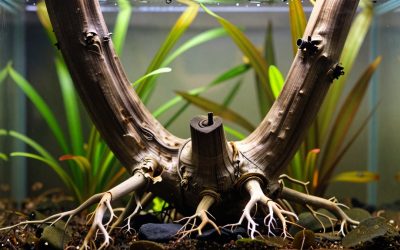
- Rhizome plants: Java fern and anubias, tied or glued to wood or rock and not buried. Their rhizomes can rot if planted in the substrate.
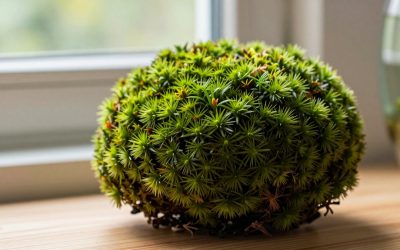
- Mosses: Java moss and similar species grow on hardscape and provide cover.
- Cryptocorynes: Slow, durable rooted plants. They can “melt” (lose leaves) when moved or when conditions change, then regrow.
- Sword plants (Echinodorus): Large rooted plants that feed heavily through the roots and do best with a nutrient-rich substrate or root tabs.
- Vallisneria: Ribbon-leaved grasses that spread by runners and tolerate modest light.
- Easy stem plants: Water wisteria, Ludwigia repens, Rotala rotundifolia and similar species grow faster than rhizome plants and help absorb nutrients early on.
- Floating plants: Frogbit, salvinia or water sprite shade the tank and take up nutrients quickly. They also reduce light reaching the plants below, so thin them when needed.
Decision table: pick this plant type if…
| Pick | If you want | Watch for |
|---|---|---|
| Java fern or anubias | The lowest maintenance, attachment to hardscape, tolerance of dim light | Algae on old leaves if light is too strong; do not bury the rhizome |
| Cryptocoryne | A tough rooted foreground or midground | Melt after a move; patience for slow regrowth |
| Sword plant | A large centrepiece | Needs root feeding and plenty of space |
| Vallisneria | A background screen | Spreads by runners; needs thinning |
| Fast stem plants | Quick nutrient uptake in a new tank | More trimming, and they can struggle under very low light |
| Floating plants | Shade and algae suppression | Blocking too much light from lower plants; surface turbulence can bother them |
Demanding carpeting plants and many red stem plants usually need strong light and CO2. They are usually poor choices for a low-tech start.
Substrate Options
Root feeders such as swords and cryptocorynes draw nutrients from the substrate, so what lies under the plants matters more in a low-tech tank than in a CO2 tank where water-column dosing is heavy. Resources describe three common approaches:
- A soil-based or nutrient-rich aquarium substrate across the whole base. Some planted-tank retailers say soil-based substrates tend to grow rooted plants better than inert gravel and suggest a depth of at least about 5 cm, though this is a retailer view rather than a controlled comparison. This releases nutrients for a long time but can leach ammonia in the first weeks, so water changes at setup are common advice.
- A porous, high cation-exchange substrate. These hold nutrients from fertiliser and fish waste and release them to roots. They are cheaper than full soils and widely recommended for beginners.
- Inert gravel or sand with root tabs. The tabs are pushed near heavy feeders. This is the budget route, and it works best with modest plant lists.
Sand or fine gravel is a good fit for bottom-dwelling fish such as corydoras. Substrate depth of 5-7 cm gives roots room, with a deeper layer at the back for tall plants.
Some older low-tech methods add a thin layer of peat or leonardite under the substrate and mix in mulm from an established filter to seed bacteria. These approaches are used by experienced keepers but are not required.
Light and Photoperiod
Light is the control knob of a low-tech tank. Planted-tank resources suggest targeting roughly 20-40 PAR at the substrate for a tank without CO2, though sources vary: Aquarium Co-Op describes 10-20 PAR as low light suited to anubias and cryptocoryne and 20-35 PAR as medium light, other guides give about 15-35, and several treat the 40s to 60 as the upper edge of low-tech, with algae risk rising above it when no CO2 is used. Many keepers do not own a PAR meter, so a practical approach is to choose a light described as suitable for low-tech or moderate planting, reduce its intensity if it is dimmable, and consider the tank depth, since light weakens quickly with depth.
A common photoperiod is 6-8 hours on a timer. One approach starts at about 6 hours and increases to 7-8 hours after a few weeks if the tank stays free of algae. Longer is not better: additional hours often trigger algae more than plant growth. Splitting the light into two periods with a midday break is another method keepers use to reduce algae, though results vary.
The most frequently cited error is running a high-tech light at full power on a tank without CO2. Lowering intensity or raising the fixture is usually the first fix for algae in such a tank.
Fertiliser Strategy
Low-tech tanks do not need aggressive dosing, but plants cannot grow on nothing. Fish food and waste supply nitrogen and phosphorus, while potassium, magnesium and trace elements often run low. A typical approach is a complete liquid fertiliser given in small amounts once or twice a week, together with root tabs for heavy root feeders. Some experienced keepers mix their own dry fertilisers in tiny quantities, but that is not necessary for most people.
Signs of nutrient shortage include pale new leaves, yellowing between veins, pinholes in leaves and stalled growth. Signs of overdosing include algae blooms and rapid film on glass. Because every tank is different, the safest method is to start with a low dose, watch the plants for a few weeks and adjust. Dosing should respond to what plants and algae show, not to a fixed number copied from another tank.
Fish Load and Feeding
Fish waste is a nutrient source, but too many fish overwhelm a lightly lit tank and feed algae. A moderate stocking level, with fish suited to the tank size, keeps nitrate and phosphate from running ahead of plant uptake. “Inch per gallon” is an unreliable rule and should not be used to plan stocking. Instead, check the adult size, activity and bioload of each species, and keep in mind that a lightly planted new tank cannot handle a full fish load immediately.
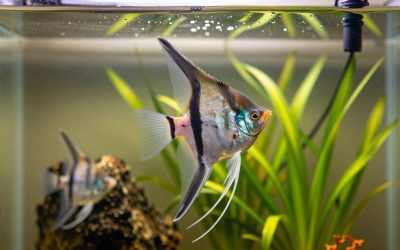
Suitable fish for a calm planted tank include small tetras, rasboras, corydoras and peaceful livebearers, depending on tank size. Avoid fish that dig up or eat plants, such as goldfish and many large cichlids.
Feed small amounts that fish finish in a couple of minutes. Uneaten food becomes algae fuel.
Starting a Low-Tech Tank: A Step-by-Step Order
- Plan the layout. Mark where tall, medium and low plants go. Hardscape such as wood and rock goes in first because it anchors rhizome plants.
- Add substrate. Use a nutrient-holding layer deep enough for roots, and rinse materials that require it.
- Fill with dechlorinated water slowly to avoid disturbing the substrate.
- Plant heavily. Dense planting from the start, including fast stem plants, lets the plants absorb ammonia and compete with algae. Dense early planting is widely recommended, and some keepers go as far as covering nearly all of the substrate with a large share of fast growers, though no exact figure is agreed.
- Set the light timer to a short period, around 6 hours, and keep intensity moderate.
- Cycle the tank with a source of ammonia, then add fish gradually. Plants help but do not replace cycling.
- Begin light fertiliser dosing once plants are established, then adjust.
The reason for the sequence is simple: plants that are established early and in quantity occupy the nutrient niche before algae can.
Maintenance Schedule
| Frequency | Task | Reason |
|---|---|---|
| Daily | Feed lightly, check fish and timer | Prevents waste buildup |
| Weekly | Small fertiliser dose; remove dead leaves; light gravel vacuum of open areas | Replaces nutrients and removes decaying matter |
| Weekly or fortnightly | Partial water change, often 20-30 percent | Dilutes organics; keeps conditions stable |
| Monthly | Trim plants, thin floating plants, rinse filter media in old tank water | Keeps light reaching lower plants and protects bacteria |
| Every few months | Check root tabs, replant stems, review the layout | Roots deplete tabs; stems age |
There are conflicting opinions on water changes. Some experienced low-tech keepers argue that skipping routine changes reduces CO2 and nutrient swings in a heavily planted tank. Others recommend regular partial changes for fish health. For a beginner with a typical fish load, regular small changes are the safer path because they remove accumulated organics, and fish welfare should come first.
Troubleshooting Typical Mistakes
| Symptom | Likely cause | Fix |
|---|---|---|
| Green hair or thread algae | Light too long or intense; nutrient imbalance | Shorten the photoperiod, reduce intensity, remove algae by hand, add more fast plants |
| Brown film on glass and leaves early on | New tank phase; high silicate or low light | Usually fades as the tank matures; wipe it off and keep light moderate |
| Black or dark tufts on slow leaves | Poor flow, excess organics or inconsistent carbon | Increase flow, reduce waste, trim old leaves |
| Melted cryptocoryne leaves | Change in conditions after planting | Wait; new leaves usually grow back |
| Yellowing leaves and stalled growth | Nutrient deficiency | Add root tabs or adjust fertiliser |
| Stem plants leggy and sparse | Light too weak for stems | Move to plants that suit lower light or modestly raise intensity |
| Floating plants blanketing the surface | Fast growth with no thinning | Remove a portion regularly |
Other typical errors: choosing demanding plants, adding fish too quickly, relying on plants alone to cycle a new tank, switching between many products, and making large changes at once. Algae is not a sign of failure but a sign that the light, nutrient and plant balance needs adjustment.
Tank Size Considerations
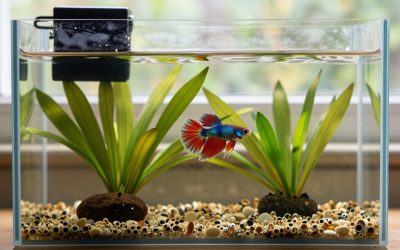
Larger tanks are more stable than very small ones, because water chemistry changes more slowly in a bigger volume. Resources aimed at beginners often suggest a 10- or 20-gallon long tank as a manageable starting size, with the longer footprint giving more planting area and better light spread. Very small tanks work, but they need a smaller fish load and closer attention.
Frequently Asked Questions
Can plants really grow without CO2?
Yes. Many aquarium plants grow on the carbon dioxide dissolved naturally from the air and from fish and bacterial respiration. Growth is slower than in CO2-injected tanks and the plant list is narrower, but a healthy low-tech tank can be lush with the right species and moderate light.
How much light does a low-tech tank need?
Planted-tank resources commonly cite roughly 15-40 PAR at the substrate for low-tech tanks (sources vary), with a photoperiod of 6-8 hours. Because light weakens with depth, a deeper tank needs a stronger fixture than a shallow one. If algae appears, reduce intensity or hours before changing anything else.
Do I need a special substrate?
Not strictly, but root feeders do better with a nutrient-holding substrate or root tabs under inert gravel. If you only grow rhizome plants and mosses attached to hardscape, even plain sand or fine gravel can work because those plants take nutrients mainly from the water.
Do I need fertiliser if I have fish?
Fish waste supplies some nutrients, but potassium, magnesium and trace elements are often limited. Most keepers add a small weekly dose of a complete liquid fertiliser and root tabs for heavy feeders. Adjust based on plant colour and growth, not a fixed schedule.
Why do I get algae in a new planted tank?
New tanks often have unsettled bacteria, fewer plants and nutrients released from the substrate, which favours algae. Planting densely, keeping the photoperiod short, avoiding overfeeding and being patient usually let the tank settle within a few weeks to a couple of months.
Is a low-tech planted tank good for beginners?
It is widely recommended for beginners because it is forgiving and needs little equipment. The main discipline is keeping light modest and the plant mass high. It is still an aquarium, so cycling and water quality remain the most important fish-welfare steps.
Can I add CO2 later?
Yes, a low-tech tank can be upgraded. If you do, raise light and nutrients in step with CO2 and make changes gradually. Increasing light without CO2 is the classic way to produce an algae outbreak.

Aquarium Co2 Regulator Planted Kit

Aquarium CO2 Systems: Safe Setup and Buying Guide (2026)