Last Updated: October 4, 2026
There is no single shrimp substrate, because a bee shrimp and a cherry shrimp want opposite water. The best substrate for shrimp breeding tank setups is the one matched to your species’ pH and hardness needs, whether that is an ion-exchange active soil for soft-water shrimp or an inert bed for neutral-water Neocaridina.
As an Amazon Associate we earn from qualifying purchases.
By David Nguyen
Quick answer: For most people in 2026, the best substrate for shrimp breeding tank is the Dennerle Shrimp King Active Soil — our #1 rated choice. See the full ranked comparison, alternatives and buying advice below.
How to Choose Shrimp Breeding Substrate
Shrimp substrate is a chemistry decision first and a branding decision last, since no universal substrate suits every species. Matching the substrate to your shrimp, understanding pH and KH effects, giving shrimplets refuge, and planning for startup ammonia are the four things that actually drive breeding success.
Match Substrate to Species
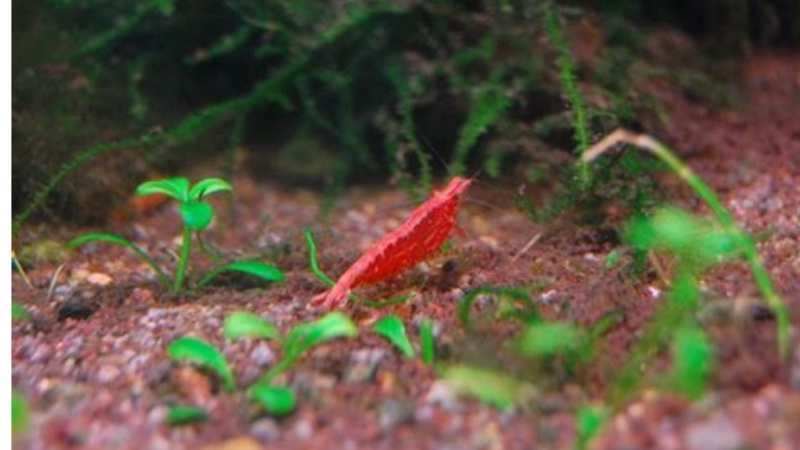
The first question is which shrimp you keep, because soft-water Caridina like bee and crystal shrimp want low pH and hardness, while Neocaridina such as cherries prefer neutral, harder water. An ion-exchange active soil suits the former, while an inert substrate suits the latter, so there is no one-size answer.
Do not assume all shrimp breed best at pH 6.5, because that target belongs to soft-water species, not Neocaridina. Identify your shrimp first, then choose an active soil to soften and acidify or an inert bed to hold neutral parameters, rather than picking by a generic shrimp label.
pH and KH Behavior
Active soils work by ion exchange, pulling KH and pH down, which is exactly what soft-water shrimp need. Dennerle Shrimp King Active Soil targets roughly pH 6.0-6.5 and KH 0-2 dKH, and UNS Controsoil tests around pH 6.8, so these create the acidic, low-buffer conditions Caridina favor.
That behavior is wrong for Neocaridina, which do better with some KH, so lower KH does not always improve breeding. Match the substrate’s chemistry to the species, and remember that source water matters too, since a soil can only pull parameters so far before it depletes.
Shrimplet Refuge
Newly hatched shrimplets are tiny and vulnerable, so surface texture and biofilm matter for survival. Fluval Stratum carries a newborn shrimp refuge claim, and in practice a textured substrate combined with moss and fine plants gives shrimplets places to hide and graze biofilm.
Substrate alone is not a survival guarantee, so pair it with dense cover regardless of which product you choose. The goal is a scape where shrimplets can shelter from flow and larger tankmates while grazing the biofilm that a maturing substrate and plants support.
Startup Ammonia
Active soils can leach ammonia when new, which is dangerous to shrimp, so cycling is non-negotiable. UNS Controsoil carries a minimal-initial-ammonia claim, but with a test caveat, meaning you should still verify your own readings rather than trusting the claim blindly.
Because active soil does not guarantee survival, cycle fully and confirm ammonia and nitrite read zero before adding shrimp. Inert substrates avoid this startup spike, which is one more reason Neocaridina keepers often prefer them over an ion-exchange soil.
Top Picks
Four substrates span the shrimp range from a dedicated bee-shrimp soil to an inert bed for Neocaridina, with no single overall winner because species chemistry differs. Prices are relative and current as of 09/2026, and because packages use different units, compare by the volume your tank needs.
| Product | Best For | Key Spec | Watch Out For |
|---|---|---|---|
| Dennerle Shrimp King Active Soil | Best for bee shrimp breeding | pH ~6.0-6.5; KH ~0-2 dKH; 3-5 cm | Wrong for neutral-water Neocaridina |
| Fluval Stratum | Best for broad planted shrimp tanks | 3-5 mm; neutral to slightly acidic | Coarser; not a strong KH driver |
| UNS Controsoil Black | Best controlled slightly acidic setup | Active; tests around pH 6.8 | Initial ammonia; cycle and test first |
| CaribSea Peace River (inert) | Best for Neocaridina and neutral water | 1.0-2.0 mm; neutral, no hardness rise | Won’t create soft-water conditions |
Dennerle Shrimp King Active Soil – Best for Bee Shrimp Breeding
Shrimp King Active Soil is purpose-built for soft-water bee shrimp, targeting roughly pH 6.0-6.5 and KH 0-2 dKH with a recommended 3-5 cm depth. It is the pick when you breed Caridina and want the substrate itself to create acidic, low-buffer conditions, sold around $35 for 4 L as of 09/2026.
It is the wrong tool for Neocaridina, which prefer some hardness, so match it to species rather than treating it as a universal shrimp soil. Like any active soil it can release ammonia when new, so cycle fully and confirm safe readings before adding valuable shrimp.
Fluval Stratum – Best for Broad Planted Shrimp Tanks
Fluval Stratum is the flexible choice for a broadly planted shrimp tank, a 3-5 mm granule that reads neutral to slightly acidic and carries a newborn shrimp refuge claim. It runs around $15 on sale or under $30 regular for an 8.8 lb bag as of 09/2026, making it an accessible starting substrate.
Its coarser granule is not a strong KH driver, so it will not soften water as aggressively as a dedicated bee-shrimp soil. That makes it a middle option: friendlier for mixed planted shrimp setups than for hardcore Caridina breeding projects that need tight low-KH control.
UNS Controsoil Black – Best for a Controlled Slightly Acidic Setup
Controsoil Black is an active soil that tests around pH 6.8, suiting keepers who want a controlled, mildly acidic environment with a minimal-initial-ammonia claim. It sells around $30 for 3 L as of 09/2026 and gives soft-water shrimp a gentler acidic push than the lowest-pH soils.
Treat the low-ammonia claim with the test caveat it carries, since you should verify your own readings before stocking. It is a solid choice for Caridina keepers who want active-soil behavior without pushing pH to the bottom of the range, provided you cycle and test first.
CaribSea Peace River (inert) – Best for Neocaridina and Neutral Water
Peace River is the inert answer for Neocaridina such as cherry shrimp, which prefer neutral, harder water that an active soil would work against. It is a 1.0-2.0 mm natural gravel, neutral with no hardness increase, sold as a 20 lb bag around $20 as of 09/2026.
Because it holds rather than pushes chemistry, it will not create the soft-water conditions Caridina need, so it is species-specific in the opposite direction from the soils above. It also avoids the startup ammonia spike of active soils, which simplifies a neutral-water breeding setup.
Frequently Asked Questions
Shrimp-substrate questions focus on whether active soil is necessary, the pH bee shrimp want, startup ammonia release, and substrate depth. Each answer leads with the direct call, then the species-specific exception that changes it for your particular tank.
Do I Need Active Soil for Shrimp?
Only for soft-water species, because active soils exist to lower pH and KH for Caridina like bee and crystal shrimp that need acidic, low-buffer water. Neocaridina such as cherries prefer neutral, harder water, so an inert substrate is the better fit for them and active soil would actively fight their chemistry.
So the honest answer is that active soil is necessary for some shrimp and clearly wrong for others in the same hobby. Identify your species first, then choose an ion-exchange soil to soften and acidify for Caridina, or an inert bed like Peace River to hold neutral parameters for Neocaridina.
What pH Do Bee Shrimp Want?
Bee shrimp generally favor soft, acidic water, which is why substrates like Dennerle Shrimp King target roughly pH 6.0-6.5 with KH 0-2 dKH. An active soil helps hold those conditions, especially when it is paired with soft source water or remineralized RO rather than hard, high-KH tap water.
Do not generalize that figure to all shrimp, because Neocaridina do not want that low pH or the near-zero KH bee shrimp prefer. The target belongs specifically to soft-water Caridina, so match the number to the species you keep rather than applying one pH across every shrimp tank you run.
Do Active Soils Release Ammonia?
Many do when new, which is why cycling an active-soil shrimp tank fully is essential before you add any livestock. Some products, like UNS Controsoil, carry a minimal-initial-ammonia claim, but with a test caveat, so you should confirm your own zero readings rather than trusting the printed claim on faith.
Because active soil does not guarantee survival, verify that ammonia and nitrite both read zero before stocking valuable shrimp. Inert substrates avoid this startup spike entirely, which is one more reason neutral-water Neocaridina keepers often skip active soil in favor of a simple inert bed.
How Deep Should Shrimp Substrate Be?
For active soils, a common depth is around 3-5 cm, as Dennerle specifies, which is enough to establish the substrate’s chemistry and give plants a rooting base. That depth also provides surface area for the biofilm that shrimplets graze as the tank matures over its first weeks and months.
Deeper is not automatically better, since very deep fine beds can develop stagnant pockets that harm water quality. Match depth to the product’s guidance and your planting, keep the active-soil layer within the recommended range, and let plants and moss add the cover that shrimplets need for refuge, since dense cover does more for shrimplet survival than a few extra centimeters of plain substrate depth ever will provide.
Final Thoughts
The best substrate for shrimp breeding tank builds is the one matched to your species’ chemistry, which is why Dennerle Shrimp King suits bee shrimp, Fluval Stratum fits broad planted setups, UNS Controsoil gives a controlled acidic bed, and inert Peace River serves Neocaridina. Put species chemistry ahead of generic shrimp branding, cycle active soils fully before stocking, and pair any substrate with dense cover so shrimplets have refuge.
As an Amazon Associate we earn from qualifying purchases at no extra cost to you. Prices and availability are accurate as of the date shown and are subject to change.
Ready to decide? Our #1 pick for 2026 is the Dennerle Shrimp King Active Soil.
Live price & availability on Amazon.
Related Reviews & Guides
Best Canister Filter for Turtle and Koi Tank: Expert Picks
Best Budget Auto Top Off System: Smart Affordable Picks