Last Updated: October 4, 2026
- Manual Siphons vs. Electric Battery Vacuums
- Tube Diameter and Flow Control
- Substrate Compatibility: Sand, Gravel, and Active Aquasoil
- Nozzle Attachments and Maneuverability
- Self-Priming Mechanisms: Bulb vs. Shake vs. Traditional Sucking
- When to Spend More on Premium Maintenance Tools
- Related Guides
- FAQ
- Related Guides
Maintaining a planted aquarium requires a completely different approach to substrate cleaning than a standard fish-only setup. In a planted tank, the substrate is an active biological zone housing delicate root systems, beneficial microbial colonies, and nutrient-rich aquasoil that easily crushes into powder. Using an overly aggressive gravel vacuum can uproot fragile carpeting plants, destroy the delicate porous structure of active substrates, and strip away essential nutrients needed for healthy plant growth.
Choosing the right vacuum means balancing waste removal with plant preservation. As we look at the aquarium maintenance gear available in 2026, the market offers everything from micro-siphons and adjustable flow tubes to motorized, filter-sock vacuums. This guide cuts through marketing gimmicks to highlight the exact features, sizing rules, and design choices that protect your aquascape while keeping organic debris under control.
As an Amazon Associate we earn from qualifying purchases at no extra cost to you.

Manual Siphons vs. Electric Battery Vacuums
The first major decision is choosing between traditional gravity siphons and powered, recirculating vacuums. Gravity siphons remove water along with detritus, making them the standard tool during scheduled water changes. For planted tanks, narrow manual siphons offer superior tactile control, allowing you to regulate suction pressure with your thumb or a flow-control valve instantly.
Electric, battery-powered vacuums use internal impellers to draw water through a micro-mesh filter bag and return the water to the tank. While convenient for spot-cleaning without dropping the water level, they come with caveats in planted tanks. Fine plant debris and melting leaves can quickly clog the internal impeller or fine collection sock. Furthermore, if you accidentally vacuum loose active substrate, the hard granules can jam or damage the motor. For heavily planted setups, manual siphons remain the safer, more precise choice, while electric models work best in large tanks with sandy foregrounds.
Tube Diameter and Flow Control
In standard aquariums, wide-mouth vacuums (around 2 inches in diameter) are used to tumble deep gravel beds. In a planted tank, wide tubes are disastrous. They pull massive volumes of water too quickly, leaving you with empty water levels before you have finished precision cleaning, while exerting too much pull on lightweight plants like Glossostigma or Hemianthus micranthemoides.
Look for narrow intake tubes, ideally between 0.5 inches and 0.75 inches in diameter. Narrow tubes generate a focused, low-volume suction stream that lets you target waste between stems without creating wide disruption zones. Additionally, always prioritize vacuums equipped with an integrated flow-control valve or a pinch clamp on the discharge hose. Being able to throttle the siphon flow to a slow trickle is essential when navigating delicate mosses and stem groupings.
Substrate Compatibility: Sand, Gravel, and Active Aquasoil
Your vacuum strategy must match your substrate type:
- Active Substrate / Aquasoil: Never push a vacuum deep into active soil pellets. Deep plunging crushes the clay matrix, turning nutrient granules into dense mud that suffocates roots. Instead, choose a siphon with an angled or flared nozzle designed to hover roughly half an inch above the soil surface, pulling up loose mulm without drawing in the pellets.
- Cosmetic Sand: Fine cosmetic sand caps are notorious for being sucked out of the tank. Use a vacuum with a wide gravel guard or a micro-nozzle. Swirl the siphon tip in small circles one inch above the sand; this creates a localized vortex that lifts light fish waste and brown diatoms into the water column while leaving the heavier sand grains behind.
- Inert Fine Gravel: Gravel can handle gentle plunging, but you should still keep the intake away from base root tabs or slow-release fertilizer capsules buried beneath the surface.
Nozzle Attachments and Maneuverability
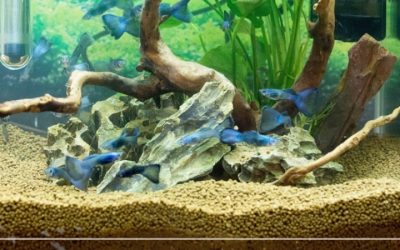
Hardscape arrangements with extensive driftwood branches and heavy rockwork create dead spots where detritus naturally settles. Standard straight-tube vacuums cannot reach these tight crevices without snapping delicate plant stems or disturbing your layout.
Opt for modular vacuum kits that include interchangeable tips. Specialized narrow duckbill nozzles, angled corner tools, and flexible extension tubes make it easy to reach behind rocks and between dense stem forests. Rigid vacuum tubes should be long enough to reach the bottom of your aquarium without requiring you to submerge your entire hand, which limits fine finger control of the siphon tube.
Self-Priming Mechanisms: Bulb vs. Shake vs. Traditional Sucking
Starting a siphon in a planted tank requires gentle mechanics to avoid jolting your hardscape. The three common priming methods have distinct pros and cons:
- Squeeze Bulbs: Integrated hand-squeeze bulbs are the safest option for aquascapes. A few gentle squeezes initiate flow smoothly without creating sudden pressure waves that blow fine sand onto plant leaves.
- Shake / Check-Valve Primers: These mechanisms require you to rapidly shake the vacuum tube up and down in the water to build suction. This violent motion is hazardous in planted tanks, as it can easily snap brittle stems or dislodge unrooted foreground plants.
- Mouth Siphoning: While traditional, starting a siphon by mouth carries health risks and offers no control over the initial rush of water, which can create a sudden crater in soft aquasoil.
When to Spend More on Premium Maintenance Tools
Budget siphons made from stiff, rigid vinyl hoses tend to hold their coil shape out of the box, making them unwieldy. When navigating a delicate planted tank, a stiff hose can act like a spring, knocking over rocks, scraping glass, or snapping high-end stem plants. Spending more on a specialized aquascaping maintenance set usually gets you ultra-flexible, food-grade silicone tubing that drapes naturally without fighting your movements. Premium tools also feature smoother plastic molding free of sharp burrs that could tear broad leaves like Anubias or Echinodorus.
Related Guides
To see which specific models excel across these categories and perform best in real-world testing, read our comprehensive roundup of the Best Vaccums for Planted Tank in 2026: Compared and Ranked to find the ideal match for your aquarium setup.
FAQ
Can I deep-vacuum the substrate around live plant roots?
No, you should avoid deep-vacuuming directly around plant root zones. Deep gravel cleaning damages sensitive root hairs and removes the beneficial organic mulm that plants break down for nutrients; instead, skim the vacuum just above the surface to collect free-floating waste.
How do I vacuum waste off delicate carpet plants without uprooting them?
Use a narrow siphon tube fitted with a flow-control valve throttled down to a low-speed siphon. Hover the intake nozzle approximately half an inch above the carpet, gently waving your free hand above the plants to lift trapped detritus into the suction stream.
Will a gravel vacuum pull up my fine cosmetic sand?
It can if used incorrectly, but you can prevent sand loss by using the swirling technique. Hold the siphon tip an inch above the sand and swirl it in tiny circles to lift lighter fish waste into the water column without disturbing the heavier sand bed.
How often should I vacuum a heavily planted aquarium?
Most heavily planted tanks only need targeted surface vacuuming once every one to two weeks during regular water changes. In densely planted setups, plant roots utilize organic breakdown as fertilizer, so aggressive substrate cleaning is rarely necessary.
Related Reviews & Guides




Low Tech Planted Tank Setup Guide: No CO2, No Drama

Aquarium Liquid Co2 Carbon Supplement Review