Last Updated: October 21, 2026
- Top Pick: Protein Skimmer for 50-100 Gallon Saltwater Aquarium
- Best Value: Coralife Biocube Protein Skimmer, Aquarium Skimmer
- Premium Choice: AQQA Aquarium Protein Skimmer for Saltwater Fish Tank
🛒 Best Price Today on Amazon
Prime members get fast, free shipping on everything above, plus member-only deals. New members get a 30-day free trial — cancel anytime.
Top Choose Protein Skimmer Complete Picks for 2026
Here are our current top choose protein skimmer complete picks, compared on real Amazon owner reviews, price, and features. Live prices update below.
As an Amazon Associate we earn from qualifying purchases at no extra cost to you.


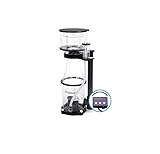


Maintaining a healthy and vibrant saltwater aquarium is a rewarding endeavor, but it comes with its unique challenges. Among the most crucial pieces of equipment for any reef keeper is the protein skimmer. Often referred to as the “lungs” of a saltwater aquarium, a protein skimmer plays a vital role in waste removal, directly impacting water quality and the overall well-being of your aquatic inhabitants. Without an efficient skimmer, dissolved organic compounds can accumulate, leading to murky water, algae blooms, and stress for your fish and corals. Choosing the right protein skimmer, however, can feel overwhelming with the vast array of options available.
This comprehensive buying guide is designed to demystify the process of selecting the perfect protein skimmer for your specific aquarium needs. We’ll delve into the different types of skimmers, break down the essential features to consider, discuss budget implications, highlight common pitfalls to avoid, and answer your most pressing questions. By the end of this guide, you’ll be equipped with the knowledge to make an informed decision and invest in a protein skimmer that will contribute significantly to the long-term success of your reef tank.
Types of Protein Skimmer
Protein skimmers come in various designs, each with its own method of operation and suitability for different aquarium setups. Understanding these distinctions is the first step towards selecting the most effective model for your needs.
Hang-on-Back (HOB) Skimmers
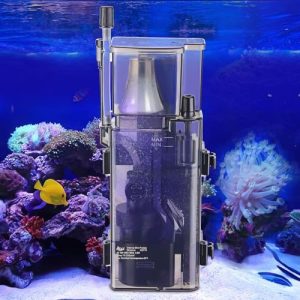
These skimmers are designed to hang on the back of your aquarium, making them a popular choice for smaller tanks or nano reef setups where internal space is limited. They are generally easy to install and remove, requiring no drilling or modification to your sump. HOB skimmers work by drawing water from the aquarium, injecting air, and then returning the skimmed water back into the tank. Their primary advantage is their convenience and ease of use for smaller systems.
Internal (In-Sump) Skimmers
The most common type of protein skimmer, internal skimmers are designed to be placed directly inside your aquarium’s sump. This placement allows for a more efficient and often more powerful skimming process as they operate on the main water flow returning from the display tank. Internal skimmers are available in a wide range of sizes and capacities, making them suitable for a vast spectrum of aquarium volumes. They are generally considered more effective than HOB skimmers due to their ability to process a larger volume of water and their often more robust construction.
External (In-Line) Skimmers
External skimmers are plumbed directly into your aquarium’s return plumbing, meaning water is diverted to the skimmer and then returned to the tank. This setup is ideal for aquariums where space is at an absolute premium, or for those who prefer to keep all equipment outside the display tank and sump. External skimmers can be very efficient and are often used in larger or more complex systems. Installation requires some plumbing work, but the result is a clean and unobtrusive setup.
Circulating/Recirculating Skimmers
These skimmers are designed to recirculate water within the sump, rather than processing the main return flow. They are often used in conjunction with other filtration methods or as a supplemental skimmer. While they can be effective at removing some organics, they are generally not as powerful as in-sump or in-line skimmers for primary waste removal in a reef tank. They can be a good option for smaller systems or as a secondary polishing step.
Key Features to Look For
Beyond the basic type, several key features will significantly influence a protein skimmer’s performance, efficiency, and longevity. Carefully evaluating these aspects will help you select a model that best suits your aquarium’s unique demands.
Skimmer Size and Capacity
This is arguably the most critical factor. Protein skimmers are rated by the volume of water they can effectively process. It’s crucial to choose a skimmer rated for a larger volume than your actual tank size to ensure optimal performance and provide a buffer for increased bioloads. Over-skimming is generally not a concern, but under-skimming will lead to poor water quality.
Pump Power and Water-to-Air Ratio
The pump is the heart of the protein skimmer, responsible for drawing water and injecting air. A powerful pump that can create a fine, dense bubble appears is essential for efficient protein skimming. Look for specifications that indicate a high water-to-air ratio, meaning the pump can move a significant volume of water while simultaneously producing a large quantity of air bubbles.
Bubble Size and Distribution
The effectiveness of a protein skimmer is directly related to the size and consistency of the bubbles it produces. Finer bubbles (ideally 0.5mm to 1.5mm in diameter) have a larger surface area, allowing them to attract and adhere to organic waste more effectively. Look for skimmers that utilize needle wheel impellers or venturi-based air injection systems known for producing micro-bubbles.
Construction Materials and Durability
Protein skimmers operate in a corrosive saltwater environment, so the materials used in their construction are paramount for longevity. High-quality acrylic and durable PVC are common. Look for robust construction, well-sealed components, and resistance to saltwater degradation. A well-built skimmer will last for many years.
Ease of Cleaning and Maintenance
Protein skimmers require regular cleaning to maintain optimal performance. Consider how easy it is to disassemble and reassemble the skimmer for cleaning. Features like removable collection cups, easy-access pump components, and straightforward disassembly procedures will save you time and effort in the long run.
Noise Level
While not as critical as performance, the noise generated by a protein skimmer can be a factor, especially for smaller living spaces. Pumps and air diffusers can produce varying levels of sound. Some manufacturers focus on quiet operation, and user reviews can often provide insight into the noise levels of specific models.
Footprint and Dimensions
Especially for in-sump skimmers, the physical size of the unit is crucial. You need to ensure the skimmer will fit comfortably within your sump, leaving adequate space for other equipment and water flow. Always measure your sump before purchasing to avoid compatibility issues.
Adjustability and Control
The ability to adjust the skimmer’s performance is a valuable feature. This often comes in the form of adjustable water levels within the skimmer body or control over the air intake. This allows you to fine-tune the skimmer’s output based on your aquarium’s specific needs and the type of waste being produced.
How Much Should You Spend?
The price of protein skimmers can vary significantly, reflecting their size, features, and build quality. Understanding the different price tiers can help you set realistic expectations and make a purchase that offers the best value for your aquarium.
Budget-Friendly Options (Under $200)
At this price point, you’ll typically find smaller HOB skimmers or entry-level in-sump skimmers suitable for nano reefs or smaller freshwater setups with a light bioload. These skimmers may offer basic functionality and might not be as efficient or durable as their more expensive counterparts. They can be a good starting point for beginners or those on a very tight budget, but it’s important to manage expectations regarding their long-term performance and capacity for larger or more demanding marine environments.
Mid-Range Skimmers ($200
This is the sweet spot for many reef keepers. In this range, you can expect to find well-built in-sump skimmers with reliable pumps and good bubble production, capable of handling moderate to large reef tanks. These skimmers often feature improved construction materials, better adjustability, and more efficient designs. They offer a significant upgrade in performance and durability over budget options and represent a solid investment for most hobbyists seeking effective waste removal.
Premium Skimmers
High-end protein skimmers in this category are engineered for maximum performance and longevity. They often feature high-performance pumps, advanced bubble-generating technologies, exceptional build quality, and robust construction. These are ideal for large, heavily stocked reef tanks, advanced aquascapes, or for hobbyists who demand the absolute best in water quality. While a significant investment, premium skimmers can provide years of reliable service and contribute to a truly pristine aquarium environment.
Common Mistakes to Avoid
Even with the best intentions, aquarists can make mistakes when choosing and operating a protein skimmer. Being aware of these common pitfalls can save you frustration and ensure your investment pays off.
- Undersizing the Skimmer: This is perhaps the most frequent error. Choosing a skimmer that is too small for your aquarium’s volume will result in inadequate waste removal and poor water quality, negating the purpose of having a skimmer at all. Always err on the side of caution and select a skimmer rated for a larger tank volume than you currently have.
- Not Considering the Sump: For in-sump skimmers, failing to measure your sump dimensions and ensure adequate clearance for the skimmer, plumbing, and water flow can lead to a frustratingly ill-fitting purchase. Always double-check your sump’s internal measurements before buying.
- Ignoring Maintenance: A protein skimmer is not a “set it and forget it” device. Neglecting regular cleaning of the collection cup, skimmer body, and pump will drastically reduce its efficiency and can even lead to it ceasing to function effectively.
- Setting Expectations Too High Initially: It takes time for a new protein skimmer to break in and reach optimal performance. During the initial break-in period (which can last a few days to a couple of weeks), the skimmer might produce less foam or a different consistency of foam. Be patient and allow it to acclimate.
- Placing it Incorrectly in the Sump: The placement of an in-sump skimmer is critical for its efficiency. It needs to be in an area with stable water levels and sufficient flow to ensure it’s processing water effectively. Avoid placing it in areas with turbulent water or where the water level fluctuates wildly.
Frequently Asked Questions
Q: How do I know if my protein skimmer is working correctly?
A: A properly functioning protein skimmer will produce a dark, moist foam in its collection cup. The consistency of this foam can vary depending on your tank’s bioload and the skimmer’s break-in status, but seeing any foam at all is a good sign. You should also notice a reduction in dissolved organic compounds and potentially clearer water over time.
Q: How often should I clean my protein skimmer?
A: The collection cup should be emptied and cleaned at least every few days, or whenever it is about 2/3 full. The entire skimmer body and pump should be thoroughly cleaned every 1-3 months, depending on its usage and the build-up of organic material.
Q: Will a protein skimmer remove beneficial bacteria?
A: While a protein skimmer does remove dissolved organic waste, it does not directly remove beneficial nitrifying bacteria, which primarily reside on surfaces like live rock and substrate. In fact, by removing waste that could fuel nuisance algae and other undesirable organisms, a skimmer indirectly supports a healthier environment for beneficial bacteria.
Q: My skimmer isn’t producing foam. What could be wrong?
A: Several factors can cause a lack of foam. The skimmer might be undersized for the tank, it may need cleaning, or it could still be in its break-in period. Ensure the water level in the sump is stable and appropriate for the skimmer, and check for any blockages in the pump or air intake.
Q: Can I run my protein skimmer 24/7?
A: Yes, it is highly recommended to run your protein skimmer 24 hours a day, 7 days a week. Protein skimming is a continuous process of waste removal, and turning it off will allow dissolved organic compounds to accumulate in your aquarium water.
Final Thoughts
Choosing the right protein skimmer is a cornerstone of successful saltwater aquarium keeping. By understanding the different types, carefully evaluating key features, considering your budget, and avoiding common mistakes, you can invest in a piece of equipment that will significantly contribute to the health and beauty of your aquatic ecosystem. A well-chosen and properly maintained protein skimmer is an investment in the long-term stability and vibrancy of your reef tank, providing a cleaner, healthier environment for all your inhabitants to thrive.
Recommended Protein Skimmer Guides
- Best Protein Skimmer For Saltwater Tank 2026
- Best Protein Skimmer For Aquarium 2026
- Best Coral Foods for Reef Aquariums
- Best Nano Protein Skimmers for Small Reef Tanks
How Much Does Reef Automation Cost To Set Up: Top Compared
4 Best Reef Aquarium Chillers 2026