Last Updated: October 4, 2026
Almost every municipal water supply contains chlorine or chloramine added to kill bacteria. Those same chemicals are toxic to fish gills and will wipe out the beneficial bacteria in your filter, which is why you should never add untreated tap water to a stocked aquarium. A water conditioner, or dechlorinator, neutralizes these chemicals instantly so tap water becomes safe in seconds. Some conditioners go further, detoxifying ammonia and heavy metals or adding a protective slime coat. Below are five trusted water conditioners, what each does best, and how to dose them correctly.
As an Amazon Associate we earn from qualifying purchases at no extra cost to you.




🛒 Best Price Today on Amazon
Prime members get fast, free shipping on everything above, plus member-only deals. New members get a 30-day free trial — cancel anytime.
Top Picks Reviewed
1. Seachem Prime
A highly concentrated conditioner that removes chlorine and chloramine while also detoxifying ammonia, nitrite, and heavy metals at typical tap levels. Because just 5 mL treats 50 gallons, one bottle lasts a long time, making it a favorite for value and versatility. Check it on Amazon
2. API Stress Coat
A dual-action conditioner that neutralizes chlorine, chloramine, and heavy metals while adding aloe vera to help heal damaged fins and skin. It is a great pick when adding new or stressed fish, since it works to reduce stress as it conditions. Check it on Amazon
3. Tetra AquaSafe Plus
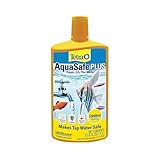
An easy-dosing conditioner that removes chlorine, chloramines, and heavy metals and enhances the protective slime coat to help wounds heal. At 1 teaspoon per 10 gallons it is simple to measure and works in freshwater and marine tanks. Check it on Amazon
4. Fluval Water Conditioner
A reliable conditioner from a long-established aquatics brand that makes tap water safe by neutralizing chlorine and chloramine. The compact bottle is a solid everyday choice for routine water changes on community tanks. Check it on Amazon
5. Aqueon Water Conditioner
A straightforward, budget-friendly conditioner that neutralizes the chlorine and chloramines found in most tap water. It is an uncomplicated option for keepers who want dependable dechlorination without extra additives. Check it on Amazon
What a Water Conditioner Actually Does
At minimum, every conditioner neutralizes chlorine. The better products also break the bond in chloramine, a more stable chlorine-ammonia compound many cities now use, and then lock up the released ammonia so it cannot harm fish. Premium options add more protection:
- Heavy metal detox: Tap water can carry copper, lead, and zinc that stress fish; many conditioners bind these into a harmless form.
- Ammonia and nitrite detox: Products like Seachem Prime temporarily detoxify ammonia and nitrite, which is a lifesaver during a cycle or a spike.
- Slime coat support: Aloe-based formulas such as API Stress Coat help fish heal and handle the stress of new water.
How to Dose a Conditioner Correctly
Always dose for the volume of new water you are adding, not the whole tank, unless you are treating an emergency. Concentrated products like Seachem Prime use as little as 5 mL per 50 gallons, while others such as Tetra AquaSafe use about 1 teaspoon per 10 gallons, so read your specific label. Add the conditioner to the fresh water before or as it enters the tank during a water change. For exceptionally high chloramine levels, a double dose of most conditioners is safe.
Conditioners work instantly, so there is no need to let treated water sit for hours. This makes them a core part of every water change. For the full routine, follow our step-by-step guide on how to do an aquarium water change correctly, and for the science behind these products, read our water conditioner and dechlorinator explainer.
Choosing the Right Conditioner for Your Tank
If you want the best value and the most protection, a concentrated all-rounder like Seachem Prime covers chlorine, chloramine, ammonia, nitrite, and metals in tiny doses. If you frequently add new or injured fish, an aloe-based formula helps them recover. For simple, no-frills dechlorination on a hardy community tank, a basic conditioner from Fluval or Aqueon does the job affordably. Whatever you choose, keep a bottle on hand at all times; running out is not a reason to skip treating tap water. It also helps to keep more than one type on the shelf: a concentrated all-rounder for routine changes and emergencies, plus an aloe-based formula for the days you introduce or treat fish. Storing conditioners in a cool, dark spot keeps them effective for years, so buying a larger bottle of a concentrated product is usually the most economical choice over the long run.
Frequently Asked Questions
Do I need a water conditioner for every water change?
Yes, any time you add tap water containing chlorine or chloramine. Skipping it exposes fish to toxic chemicals and can kill the beneficial bacteria in your filter, leading to ammonia spikes.
What is the difference between chlorine and chloramine?
Chlorine gasses off over time, but chloramine is a stable chlorine-ammonia bond that does not. Many modern conditioners break chloramine apart and then detoxify the ammonia it releases, which basic dechlorinators may not fully handle.
Can I use too much water conditioner?
Most conditioners are safe at up to double the standard dose, which is recommended for high chloramine levels. Still, follow the label and avoid heavily overdosing, since extreme amounts can lower oxygen in rare cases.
Does conditioner remove ammonia and nitrite?
Some do temporarily. Products like Seachem Prime detoxify ammonia and nitrite for about 24 to 48 hours, which buys time during a cycle or spike, but they are not a substitute for a working biological filter.
How long does treated water take to become safe?
Conditioners work almost instantly, so treated water is safe within seconds to a minute. There is no need to let it sit, which is why you can condition new water right as you add it during a change.
Conditioners are one piece of healthy water management. Understand the chemistry in our dechlorinator explainer, build the habit with our maintenance schedule, and master the routine with our water change guide. Confirm your water is truly safe with the best aquarium water test kits, and prevent early losses by reading about new tank syndrome.
Related Reviews & Guides


Best Quiet Canister Filter for Bedroom Tanks: Expert Picks
Best Adjustable Flow Aquarium Air Pump: Careful Buyer Guide