Last Updated: October 4, 2026
- Top Clean Aquarium Filter Without Killing Picks for 2026
- Why Beneficial Bacteria Live in Your Filter
- The Golden Rule: Rinse Media in Tank Water
- Never Replace All Your Media at Once
- Mechanical vs Biological Media: Handle Them Differently
- Cleaning the Impeller, Tubing, and Housing
- How Often Should You Clean the Filter?
- Frequently Asked Questions
- Related Articles
- Related Guides
- Top Pick: MICROBE-LIFT Nite-Out II Aquarium Bacteria for Start-up, Instantly Cycle Aquariums, Add Fish on Day 1, Rapid Ammonia and Nitrite Reducer for Freshwater & Saltwater Fish Tank, 8 Ounces (NITEH08)
- Best Value: Brightwell Aquatics MicroBacter Clean Marine Aquarium Cleaner Aid, 250 ml
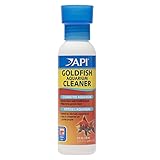
- Premium Choice: API GOLDFISH AQUARIUM CLEANER Aquarium Cleaner 4-Ounce Bottle
🛒 Best Price Today on Amazon
Prime members get fast, free shipping on everything above, plus member-only deals. New members get a 30-day free trial — cancel anytime.
Top Clean Aquarium Filter Without Killing Picks for 2026
Here are our current top clean aquarium filter without killing picks, compared on real Amazon owner reviews, price, and features. Live prices update below.
As an Amazon Associate we earn from qualifying purchases at no extra cost to you.





Cleaning your aquarium filter is one of the most important maintenance tasks — and one of the easiest to get catastrophically wrong. A surprising number of mysterious “mini-cycles,” ammonia spikes, and sudden fish deaths trace back to a well-meaning aquarist who scrubbed their filter clean under the kitchen tap. The problem is that your filter is not just a mechanical strainer; it is the primary home of the beneficial bacteria that keep your fish alive. This guide explains where those bacteria live, how to clean filter media without destroying them, and how to service the whole unit safely.
Why Beneficial Bacteria Live in Your Filter
The colonies of nitrifying bacteria that drive the aquarium nitrogen cycle need three things: a constant supply of oxygen, a steady flow of ammonia-rich water, and lots of surface area to cling to. Your filter provides all three better than anywhere else in the tank. Water is continuously pumped through the media, delivering both oxygen and the waste compounds the bacteria consume.
That is why the porous sponges, ceramic rings, and bio-balls inside your filter host the densest bacterial population in the entire system. When you sterilize that media, you wipe out the colony, and the tank effectively re-enters cycling — producing toxic ammonia and nitrite all over again, just as in a brand-new tank. Understanding this is the key to cleaning your filter the right way.
The Golden Rule: Rinse Media in Tank Water
Here is the single most important rule of filter maintenance: never rinse biological media under the tap. Tap water almost always contains chlorine or chloramine, disinfectants specifically designed to kill bacteria. They cannot tell the difference between harmful pathogens and the beneficial nitrifiers you depend on, so they slaughter your colony in seconds.
Instead, follow this process during a routine water change:
- Scoop out a bucket of water siphoned from the aquarium itself.
- Switch off and open the filter, and remove the sponges or media you intend to clean.
- Gently swish and squeeze the media in the bucket of tank water until the worst of the gunk releases. The water will turn brown — that is exactly what you want.
- Return the media to the filter and pour the dirty bucket down the drain, not back into the tank.
Because the bucket holds the same dechlorinated, temperature-matched water your fish live in, the bacteria survive the cleaning. The goal is simply to clear clogged debris so water flows freely again — not to make the media look new. A little discoloration is healthy.
Never Replace All Your Media at Once
Filter cartridge manufacturers often print “replace monthly” on the box, which tempts beginners to throw out the entire cartridge on a schedule. Doing so discards your whole bacterial colony in one move. Even worse is replacing every piece of media simultaneously, which guarantees a mini-cycle.
Follow these principles instead:
- Keep biological media as long as possible. Ceramic rings and mature sponges can last for years. Rinse them, do not replace them.
- Stagger any replacements. If a sponge is genuinely falling apart, replace only one piece at a time and leave the rest untouched so the surviving bacteria can recolonize the new material.
- Ignore “disposable cartridge” marketing when you can. Where the filter design allows, supplement throwaway cartridges with permanent sponge or ceramic media so you always retain a bacterial reserve.
This staggered approach matters more in heavily stocked tanks. If you are pushing your bioload, review our stocking density and bioload guide to make sure your filter can keep up in the first place.
Mechanical vs Biological Media: Handle Them Differently
Not all filter media serve the same purpose, and knowing the difference tells you how aggressively to clean each type.
| Media Type | Job | How to Service |
|---|---|---|
| Mechanical (floss, fine pads, filter wool) | Traps physical debris and particles | Rinse frequently in tank water; replace when it falls apart |
| Biological (ceramic rings, bio-balls, mature sponges) | Houses nitrifying bacteria | Rinse gently and rarely; keep as long as possible |
| Chemical (activated carbon, resins) | Adsorbs dissolved compounds | Replace on schedule; exhausted carbon stops working |
Mechanical media clogs fastest and can be rinsed often, because its job is just to strain particles. Biological media should be disturbed as little as possible. Chemical media like activated carbon genuinely does get used up and is the one category you replace rather than rinse. The choice of media is shaped by your filter type, which our comparison of canister, HOB, and sponge filters breaks down in detail.
Cleaning the Impeller, Tubing, and Housing
Bacteria-friendly media handling is only half the job. Over time, the mechanical parts of the filter accumulate sludge and biofilm that reduce flow and can make the unit noisy.
- Impeller: The spinning magnet that drives water flow collects grime and slime. Remove it periodically and clean it with a soft brush. A grinding or rattling filter usually means a dirty or worn impeller.
- Intake and output tubing: Biofilm narrows the tubes and chokes flow. A flexible cleaning brush run through them restores full circulation.
- Filter housing: Wipe out heavy sludge, but do not obsess over sterilizing it — you only need to remove blockages, not every trace of biofilm.
Because the impeller and tubing hold far fewer bacteria than the media, you can clean them more thoroughly. Just avoid soap or detergent of any kind, which leaves toxic residues. Reduced flow is also a common cause of cloudy water and poor oxygenation, so keeping these parts clear has real benefits.
How Often Should You Clean the Filter?
For most tanks, rinsing the mechanical media and checking flow every two to four weeks is plenty. Heavily stocked tanks may need more frequent attention; lightly stocked or planted tanks need less. The best schedule is driven by observation rather than the calendar: if flow noticeably weakens, it is time to clean. Crucially, do not clean the filter on the same day you do a large water change or substrate vacuum. Spacing these tasks out avoids disturbing too much of the bacterial population at once. Keeping conditions stable also reduces stress-related illness, a theme covered in our fish disease diagnostic guide.
Frequently Asked Questions
Can I rinse my filter media under the tap if I am quick?
No. Chlorine and chloramine kill bacteria almost instantly, so even a brief rinse under untreated tap water can devastate your colony. Always use water siphoned from the tank, or dechlorinated water if none is available.
Why did my tank get an ammonia spike after I cleaned the filter?
You most likely killed too much of your beneficial bacteria, either by rinsing media in tap water or by replacing or cleaning too much at once. The tank responded by partially re-cycling. Test the water and do partial changes until it stabilizes.
How long does activated carbon last?
Activated carbon typically becomes exhausted within a few weeks, after which it stops adsorbing compounds. Unlike biological media, carbon is meant to be replaced rather than rinsed and reused.
Should I clean a brand-new filter on a new tank?
No. A new filter has barely begun building its bacterial colony, so leave it undisturbed while the tank cycles. Premature cleaning only slows establishment of the nitrogen cycle.
Is it normal for filter media to look brown and dirty?
Yes. A brown, established sponge is colonized with beneficial bacteria and biofilm. The aim of cleaning is to restore flow, not to make the media look new, so some discoloration is a sign of a healthy, mature filter.
Related Reviews & Guides

Best Surface Skimmer Filter for Aquarium: Smart Top Picks
Best Aquarium Sump Setup For Large Tanks: Top Compared Guide