Last Updated: October 4, 2026
- Top Pick: 18W Aquarium UV Light for 100-1000 Gallon, UV Pond Water Clarifier for Koi Pond, Swimming Pool, Spa, Large Fish Tank, Cold Plunge UV Light for Pond Algae Control
- Best Value: hygger 9W Aquarium U-V Light with Timer, 360° Protective Shield Clean Light for Crystal Clear Green Water, Submersible Fish Tank Cleaner for 60–100 Gallon Freshwater & Saltwater Aquariums
- Premium Choice: COODIA Internal Green Water Killer Aquarium Filter Tank U-V Pump
🛒 Best Price Today on Amazon
Prime members get fast, free shipping on everything above, plus member-only deals. New members get a 30-day free trial — cancel anytime.
UV Sterilizer for Aquarium: Clearer Water, Healthier Fish
A UV sterilizer is one of the most effective tools for maintaining crystal-clear aquarium water and reducing disease outbreaks. By exposing water to ultraviolet light, these devices destroy free-floating algae cells, bacteria, and parasites before they can establish in your tank. The result is noticeably clearer water and a reduced likelihood of green water blooms and ich outbreaks. If you’re battling persistent cloudy water or recurring fish illness, a UV sterilizer could be the solution you’ve been searching for.
As an Amazon Associate we earn from qualifying purchases at no extra cost to you.
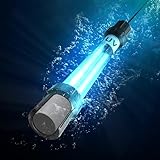


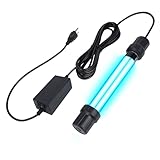


1. AA Aquarium Green Killing Machine UV Sterilizer
The Green Killing Machine is an inline UV sterilizer designed for tanks up to 30 gallons. It runs inline with your existing filter tubing, making installation simple. The 9W UV bulb effectively eliminates green water algae and significantly reduces bacterial load. The unit is submersible or hang-on-back compatible. It’s a favorite among hobbyists dealing with chronic green water issues and comes with a replacement bulb indicator so you know exactly when to swap the lamp.
2. Coralife Turbo-Twist UV Sterilizer
The Coralife Turbo-Twist uses a helical water flow design that maximizes exposure time to the UV bulb, improving sterilization efficiency. Available in 3W, 6W, and 12W versions for tanks up to 125 gallons, it connects inline with canister filters or can be plumbed directly into a sump. The twist-lock housing makes bulb replacement easy, and the quartz sleeve protects the bulb while allowing maximum UV transmission. Widely used in both freshwater and marine setups.
3. Aqua Ultraviolet Advantage UV Sterilizer
For serious freshwater and reef aquarists, Aqua Ultraviolet’s Advantage series is a professional-grade option built in the USA. Available from 8W to 120W, these units feature a wiper-style sleeve cleaning mechanism so you don’t have to disassemble the unit to clean mineral deposits off the quartz sleeve. They’re built to last years with proper bulb replacement (every 6–12 months) and are trusted by public aquariums and dedicated hobbyists alike.
UV Sterilizer Buying Guide
- Wattage sizing: Match wattage to tank size; underpowered units provide minimal benefit.
- Flow rate: Slower flow = more UV exposure = better sterilization; most units specify optimal GPH range.
- Bulb replacement: UV output degrades before bulbs burn out; replace every 6–12 months.
- Placement: Install after mechanical filtration so debris doesn’t block UV light.
- Limitations: UV sterilizers kill free-floating organisms but won’t eliminate established ich on fish bodies; treat infections with medication too.
- Beneficial bacteria: Run UV sterilizer away from your biofilter media to avoid killing nitrifying bacteria.
How a UV Sterilizer Works
An ultraviolet sterilizer is a simple but effective tool for tackling green water and certain waterborne pathogens. Water is pumped through a chamber containing a UV-C lamp, and as microscopic organisms pass close to the bulb, the ultraviolet light damages their DNA and prevents them from reproducing. This is particularly effective against free-floating algae, the cause of pea-green water, which can clear within a few days of running a properly sized unit. It can also reduce free-floating bacteria and parasites in the water column.
For the sterilizer to work, two factors matter most: flow rate and bulb condition. Water must pass slowly enough for the UV light to do its job, so each unit is rated for a maximum flow at which it remains effective; pushing too much water through reduces the contact time and the results. UV bulbs also lose their germicidal output long before they stop glowing, so most need replacing roughly every six to twelve months even if they still light up.
Getting the Most From Your Sterilizer
A UV sterilizer is a supplement to good husbandry, not a replacement for it. It does not remove ammonia, nitrite, or nitrate, and it cannot fix the underlying causes of algae such as excess light and nutrients. Used alongside sensible maintenance, though, it keeps water crystal clear and adds a layer of protection.
- Match flow to the unit: Use a pump rated near the sterilizer’s recommended flow for algae control; slower flow improves contact time.
- Replace bulbs on schedule: Swap the UV-C lamp on the manufacturer’s timeline since output fades invisibly.
- Keep the quartz sleeve clean: Mineral film on the protective sleeve blocks UV light, so wipe it during maintenance.
UV Sterilizers in Disease Management
Beyond clearing green water, a UV sterilizer can play a supporting role in disease management by reducing free-floating bacteria and some parasites in the water column. It is important to understand its limits, though: it only acts on organisms that pass through the chamber, so it does not treat parasites attached to fish or buried in the substrate, and it is not a substitute for quarantine or targeted medication. Used as part of a broader approach to husbandry, it lowers the background load of waterborne pathogens and can reduce the spread of certain illnesses. Think of it as preventative support rather than a cure for an active outbreak.
Related Guides
- Best Automatic Fish Feeder: Top Picks for 2026
- Best Aquarium Auto Top Off Systems: Maintaining Stable Water Levels
- Quick Picks: Best Fish Tank Background Decorations
- Aquarium Auto Top Off (ATO) System
Frequently Asked Questions
What does a UV sterilizer actually do?
It passes water past a UV-C lamp that disrupts the DNA of free-floating algae, bacteria, and parasites so they cannot reproduce. Its most visible benefit is clearing the green water caused by suspended algae.
Will a UV sterilizer harm my fish or beneficial bacteria?
No. The UV light only acts on organisms passing through the sealed chamber, so it does not affect fish or the beneficial bacteria living in your filter and substrate.
How often do I need to replace the UV bulb?
Most UV-C bulbs need replacing every six to twelve months because their germicidal output fades long before the bulb stops glowing. Mark your calendar rather than waiting for the light to go out.
Does a UV sterilizer remove ammonia or nitrate?
No, it has no effect on dissolved waste like ammonia, nitrite, or nitrate. You still need proper filtration and regular water changes to manage those parameters.
How long until I see clear water?
For green water, a correctly sized sterilizer running continuously often clears the tank within a few days. Make sure the flow rate is slow enough for the light to work effectively.
Final Thoughts
A UV sterilizer is a smart investment for any aquarist dealing with green water, persistent cloudiness, or frequent disease outbreaks. Pair it with regular maintenance and good filtration, and you’ll notice a marked improvement in water clarity and fish health. Choose a wattage appropriate for your tank size and replace the bulb on schedule to keep your sterilizer working at peak efficiency.
Related Reviews & Guides


Best Quiet Aquarium Chiller for Bedroom Tanks: Smart Picks
What Size Aquarium Overflow Box Do You Need? Easy Guide