Last Updated: October 9, 2026
- Top Pick: majoywoo Natural Driftwood for Aquarium Decor Fish Tank Decor Reptile Decor
- Best Value: YZHZOM Small Natural Driftwood for Aquarium Styling Carefully Selected Natural Aquarium Decor Driftwood for Reptile Tank Reptile Tank Wood Decor (Driftwood 4-6inch 4pcs)
- Premium Choice: majoywoo Natural Large Driftwood for Aquarium Decor Fish Tank Decorations
🛒 Best Price Today on Amazon
Prime members get fast, free shipping on everything above, plus member-only deals. New members get a 30-day free trial — cancel anytime.
Why Aquarium Driftwood Is a Must-Have for Your Tank
Aquarium driftwood is one of the most popular and functional natural decorations you can add to a freshwater tank. Beyond its striking visual appeal, driftwood releases beneficial tannins that naturally lower pH and soften water — ideal for fish species like bettas, discus, and tetras that thrive in acidic conditions. It also provides hiding spots for shy fish, surfaces for beneficial bacteria to colonize, and anchor points for mosses and ferns. Here are the top picks and what to know before you buy.
As an Amazon Associate we earn from qualifying purchases at no extra cost to you.
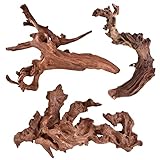

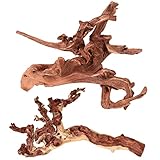


1. Mopani Driftwood
Mopani wood is one of the most dense and long-lasting driftwood types available for aquariums. It features a beautiful two-tone appearance with dark brown crevices and lighter tan areas that create a natural, aged look. Mopani sinks quickly compared to many other wood types and is highly resistant to decomposition. It does release significant tannins initially, so a thorough pre-soaking and boiling is recommended before placing it in your tank.
2. Spider Wood (Azalea Root)
Spider wood features an intricate, branching structure that mimics the look of submerged tree roots or fallen branches. Its web-like form provides excellent cover for small fish and shrimp and creates a dramatic centerpiece in any aquascape. Spider wood is lighter than Mopani and may require anchoring with rocks or suction cups during initial setup. It tends to grow a temporary white fungal bloom when first submerged, which is harmless and disappears within a few weeks.
3. Malaysian Driftwood
Malaysian driftwood is a classic aquarium staple known for its smooth, curved branches and rich brown tones. It sinks reliably, resists rotting, and pairs beautifully with java fern, anubias, and mosses. The tannin release from Malaysian wood is moderate compared to Mopani, making it a good option if you want subtle water conditioning without dramatically discoloring your aquarium water.
Buying Guide: What to Look for in Aquarium Driftwood
- Preparation: Always soak or boil new driftwood before adding it to your tank to remove excess tannins and sterilize the surface.
- Size: Match driftwood size to your tank volume. Large pieces suit tanks 30 gallons and above; smaller specimens work for nano tanks.
- Sinking ability: Dense woods sink on their own; lighter woods may need to be waterlogged for days or weeks before they stay submerged.
- Tannin output: Tannins lower pH and tint water amber — great for blackwater species but undesirable if you want crystal-clear water.
- Safety: Only purchase driftwood labeled specifically for aquarium use. Avoid outdoor wood, which may carry pesticides or pathogens.
Preparing Driftwood for Your Aquarium
Driftwood is one of the most natural-looking additions you can make to an aquarium, providing structure, hiding places, and a centerpiece for aquascaping. Before it goes in the tank, though, most driftwood needs preparation. Freshly purchased pieces often float until they become waterlogged, and they leach tannins that tint the water a tea-like brown. To speed up sinking and reduce tannins, many aquarists soak or boil the wood for an extended period, changing the water repeatedly until it runs clearer. Soaking can take days to weeks depending on the size and density of the piece.
The tannins driftwood releases are harmless and even beneficial for many fish, gently lowering pH and creating the soft, blackwater conditions that species like tetras and bettas appreciate. If you prefer crystal-clear water, running activated carbon in your filter absorbs much of the tint, and continued water changes gradually reduce it. A thin layer of biofilm may also appear on new wood; this is normal, harmless, and usually grazed away by snails, shrimp, and some fish.
Choosing the Right Driftwood
Different types of driftwood offer different looks and behaviors in the tank. Dense hardwoods sink more readily, while lighter woods may need to be weighted down or attached to rock until waterlogged. Always choose wood sold specifically for aquarium use, since driftwood collected from unknown sources can carry pests, pollutants, or rot.
- Use aquarium-safe wood: Buy pieces intended for aquariums rather than collecting unknown wood that may foul the water.
- Anchor floaters: Tie or weight buoyant pieces to rock or slate until they absorb enough water to sink on their own.
- Pair with plants: Driftwood makes an ideal anchor for attaching java fern, anubias, and mosses.
Aquascaping With Driftwood
Driftwood is a cornerstone of natural aquascaping, providing height, structure, and a sense of age that rock alone cannot. Branchy pieces create the impression of submerged roots or fallen trees, while flatter, chunkier wood anchors a layout and offers shelter for shy fish. Position driftwood before adding plants and fish so you can adjust the composition freely, and consider attaching java fern, anubias, or moss to its surface for a lush, established look. Combining driftwood with stone and a thoughtful planting scheme produces the immersive biotope and nature-style layouts aquascapers love, and the wood’s tannins reinforce the soft, natural blackwater feel many fish appreciate.
Frequently Asked Questions
Why does my driftwood turn the water brown?
Driftwood releases tannins as it soaks, tinting the water a tea-like brown. The tint is harmless and actually beneficial for many fish, but you can reduce it by pre-soaking the wood, using activated carbon, and doing regular water changes.
How do I make driftwood sink?
Soak the wood for days or weeks until it becomes waterlogged, or boil smaller pieces to speed the process. Until it sinks on its own, you can anchor buoyant wood to a rock or piece of slate.
Is the brown tannin water bad for fish?
No, tannins are harmless and even mimic the soft, slightly acidic blackwater conditions many fish like tetras and bettas come from. If you simply dislike the color, carbon and water changes will clear it over time.
Can I collect my own driftwood?
It is safer to use driftwood sold for aquariums, since collected wood can carry pests, pollutants, or rot that harm your fish. If you do collect wood, it must be properly identified, cleaned, and cured first.
What is the white film on my new driftwood?
A white, fuzzy biofilm sometimes forms on new driftwood and is completely normal and harmless. It usually disappears within a few weeks, and snails, shrimp, and some fish will happily graze it away.
Final Thoughts
Aquarium driftwood elevates the natural aesthetics of any freshwater setup while providing real biological benefits for your fish. Whether you choose the dramatic spider wood, the dense Mopani, or the classic Malaysian variety, proper preparation ensures a safe and beautiful result. Pick the piece that best fits your tank size and aquascape style for lasting impact.
Related Reviews & Guides



Best Pond Filter System for Winter: Cold-Weather Smart Picks

Quick Picks: Best Aquarium Algae Scrapers and Glass Cleaners