Last Updated: October 4, 2026
- Top Pick: Aqueon Aquarium Algae Scraper, Fish Tank Magnetic Glass Cleaner for Glass/Acrylic, Medium
- Best Value: DaToo Aquarium Mini Magnetic Scrubber Scraper Small Fish Tank Cleaner Nano Glass Aquarium Cleaning Tools with Super Strong Magnet
- Premium Choice: AQQA Aquarium Glass Cleaner, Double Side Algae Scraper with 2 Blades
As an Amazon Associate we earn from qualifying purchases at no extra cost to you.
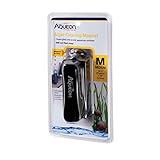

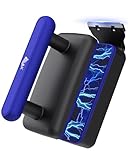
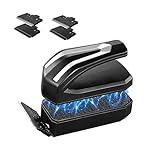


Algae on the glass is one of those aquarium inevitabilities that no amount of careful water chemistry can fully prevent — light exposure, nutrient levels, and CO2 all play a role, and at some point every tank keeper faces a cloudy pane. The right magnetic scraper turns a tedious chore into a thirty-second ritual, and the difference between a quality magnet and a cheap one isn’t minor: inferior scrapers scratch acrylic, lose their grip mid-pull, or simply fail to cut through stubborn coralline deposits. This guide covers the best options currently available for both glass and acrylic tanks.
🛒 Best Price Today on Amazon
Prime members get fast, free shipping on everything above, plus member-only deals. New members get a 30-day free trial — cancel anytime.
Start 30-Day Prime Free Trial →See Today’s Amazon DealsQuick Picks
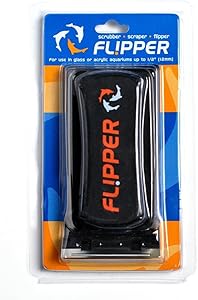
Flipper Standard Magnetic Algae Scraper
- Dual-sided blade and felt pads
- Works on glass up to 1/2 inch thick
- Replaceable blade cartridges


As an Amazon Associate we earn from qualifying purchases. Product prices and availability are accurate as of the date/time indicated.
Mag-Float Glass Aquarium Cleaner
- Floats if separated — no sinking
- Excellent for standard glass tanks
- Multiple sizes for all tank depths

As an Amazon Associate we earn from qualifying purchases. Product prices and availability are accurate as of the date/time indicated.
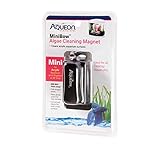
Aqueon Algae Cleaning Magnet
- Strong magnet at low price
- Felt pad safe for acrylic
- Available in small and large sizes

As an Amazon Associate we earn from qualifying purchases. Product prices and availability are accurate as of the date/time indicated.
Why Trust Our Picks
The team at Aquarium Guides has maintained freshwater, planted, and reef tanks for a combined thirty-plus years. We’ve scratched an acrylic sump with the wrong scraper (expensive lesson), and we’ve tested more magnetic cleaners than we care to count. The recommendations below are based on hands-on use across tank sizes from 10-gallon nano setups to 180-gallon display tanks.
The Best Magnetic Algae Scrapers, Reviewed
1. Flipper Standard Magnetic Algae Scraper — Best Overall
The Flipper’s design insight is elegant: a dual-sided head that carries both a stainless steel blade (for cutting through coralline and hard deposits) and a soft felt pad (for light algae and sensitive surfaces) — switchable with a flick of the wrist without removing your hand from the tank. The magnetic coupling is strong enough to handle glass up to half an inch thick, and the blade cartridges are user-replaceable, which matters over the years of ownership. It’s the scraper that professional aquarists reach for because it genuinely eliminates the need for multiple tools, and the build quality feels like it’ll last a decade with proper care.
- Pros: Blade + felt pad in one tool, replaceable cartridges, strong magnet, professional-grade quality
- Cons: Premium price; blade side not safe for acrylic (use felt pad only)
2. Mag-Float Glass Aquarium Cleaner — Runner-Up
The Mag-Float’s defining feature is right in the name: the outer float piece doesn’t sink if the magnet separates mid-use — a common and maddening problem with cheaper magnets when they lose grip and tumble to the substrate. Mag-Float engineered this out of the equation, and aquarists with substrate-heavy planted tanks or delicate sand beds will immediately appreciate it. Available in small, medium, large, and extra-large configurations, there’s a Mag-Float for every glass tank from a 10-gallon nano to a 300-gallon display. Not recommended for acrylic — use the acrylic-specific version instead.
- Pros: Floating outer magnet, multiple sizes, reliable grip on standard glass
- Cons: Separate acrylic version needed for acrylic tanks; less effective on coralline without blade
3. Aqueon Algae Cleaning Magnet — Best Budget
Aqueon’s magnet is the sensible starter choice — widely available, reasonably priced, and perfectly adequate for tanks up to about 55 gallons with standard glass. The felt cleaning pad is safe for acrylic in a pinch (always verify your acrylic’s hardness before introducing any scraper), and the magnet coupling is stronger than its price suggests. It won’t handle coralline in a reef tank, and it will separate if you try to use it on glass thicker than 3/8 inch — but within its design parameters, it’s a solid, no-fuss daily maintenance tool.
- Pros: Affordable, acrylic-safe felt pad, adequate strength for standard tanks
- Cons: Limited to thinner glass; not suitable for coralline removal or very large tanks
4. Two Little Fishies Nano MagNav Magnetic Cleaner
For nano tanks — especially those with curved or rimless fronts — standard-size scrapers are often awkward or too powerful for thin glass. Two Little Fishies designed the MagNav specifically for tanks under 20 gallons, with a scaled-down magnet that provides clean, controlled movement without the risk of over-pulling on thin acrylic or glass. If you’re maintaining a desktop nano or a small planted cube, this is the scraper that fits the application correctly.
- Pros: Designed specifically for nano tanks, precise control, gentle on thin glass and acrylic
- Cons: Not scalable to larger tanks; limited availability compared to mainstream brands
Buyer’s Guide: Choosing the Right Magnetic Scraper
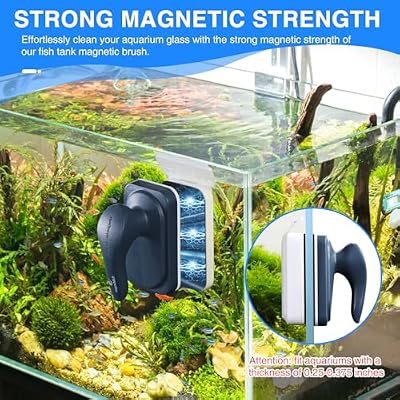
Glass vs. acrylic is the most critical choice. Stainless steel blades will permanently scratch acrylic — use felt or fabric pads only on acrylic tanks. For glass, blades are safe and dramatically more effective against coralline algae. Second consideration is magnet strength relative to your glass thickness: check the product specifications carefully, as using an underpowered magnet on thick glass means constant separation, while an overpowered magnet can be dangerous on thin glass. When in doubt, size up — you can control a strong magnet, but you can’t compensate for a weak one.
FAQ
Will a magnetic scraper scratch my aquarium glass?
High-quality glass scrapers with proper pads won’t scratch glass under normal use. The risk comes from trapped substrate particles — if sand or gravel gets caught between the magnet pad and the glass, it will scratch. Always inspect the pad before use and clean it between sessions.
How do I remove coralline algae with a magnetic scraper?
You need a blade-equipped scraper like the Flipper for coralline — soft pads simply can’t cut through calcified algae. Keep the blade at a low angle, apply steady pressure, and work in short strokes. Soaking coralline-heavy glass overnight with a vinegar solution (safe when done before filling or after draining) softens it significantly.
What size magnetic scraper do I need?
Match the scraper size to your glass thickness, not just your tank size. Most magnetic cleaners specify maximum glass thickness in their product description — this is the specification that matters most. As a general guide: up to 3/8 inch for small/medium tanks, up to 1/2 inch for large tanks, and 3/4 inch or more for very large display tanks.
Can I use a magnetic scraper in a reef tank?
Yes — magnetic scrapers are reef-safe. Choose stainless steel components (not iron, which can rust and leach into saltwater), and avoid plastic components that can degrade in saltwater over time. The Flipper and Mag-Float are both reef-proven options.
How often should I clean my tank glass?
Weekly maintenance prevents buildup from becoming a problem. A quick once-over during your water change routine — before adding new water — takes less than two minutes and keeps the glass optically clear between deep cleans.
Final Verdict
The Flipper Standard is the most versatile magnetic scraper available — the dual-sided design eliminates the need for multiple tools, and replaceable blades make it a one-time investment. For glass-only tanks where coralline isn’t an issue, the Mag-Float’s floating design and size variety make it the most practical choice. And for new aquarists setting up standard glass tanks, the Aqueon Algae Cleaning Magnet is a sensible, no-risk starting point before committing to a premium scraper.
Related Guides
- Aquarium Hang On Back Filter Review
- Inkbird Aquarium Heater & Temperature Controller…
- Quick Picks: Best UV Sterilizers for Aquariums at a Glance
Frequently Asked Questions
How do I pick a magnet strong enough for my glass?
Match the magnet to your glass or acrylic thickness, which is printed on most product listings. A 10 to 29 gallon tank usually has 5 to 8 millimeter glass and needs only a light magnet, while a 120 gallon may run 12 millimeters or more. An underpowered magnet drops constantly; an overpowered one is hard to separate and can pinch fingers.
Will a magnet scratch my tank?
Only if grit gets trapped underneath. A single grain of sand dragged across the pane leaves a permanent arc, which is why you should never scrape near the substrate line and should rinse the pads before every use. Acrylic tanks scratch far more easily than glass and require a magnet specifically sold as acrylic-safe with felt pads.
How often should I scrape the glass?
Weekly is typical, ideally the day before or of a water change so debris gets siphoned out. Scraping more often is fine and easier, since thin fresh algae wipes off with almost no pressure while a two-week-old green film needs real force. Only clean the viewing panes and leave the back glass as grazing surface if you keep otocinclus or shrimp.
Do magnetic scrapers work on coralline algae in a reef tank?
Standard pads will not remove hardened coralline. That needs a blade attachment or a dedicated plastic razor on acrylic. Many reef-rated magnets accept a stainless or plastic blade, but stainless can rust and leave orange stains, so choose a blade explicitly sold for saltwater use and dry it after each session.
What if the inner half falls into the tank?
Most quality models are designed to float so you can retrieve them from the surface instead of reaching to the bottom. Non-floating models mean sleeves rolled up and a disturbed aquascape. If yours sinks, retrieve it with the outer magnet slid down the glass and drag it up the pane rather than plunging your arm in.
Related Reviews & Guides



Best Aquarium Stand: Load Rating, Footprint and Material

How Often to Replace Filter Media: A Layer-by-Layer Guide