Last Updated: October 4, 2026
🛒 Best Price Today on Amazon
Prime members get fast, free shipping on everything above, plus member-only deals. New members get a 30-day free trial — cancel anytime.
Why Aquarium Cave Decorations Are Essential for Fish Health
Aquarium cave decorations are more than just aesthetic additions — they are critical enrichment items for many fish species. Caves provide shelter from perceived threats, reduce stress in shy or territorial fish, offer spawning sites for cave-spawning species like German blue rams and plecos, and establish territory boundaries in community tanks. Without adequate hiding spots, fish display chronic stress behaviors that weaken their immune systems. Here are the best aquarium cave options and what to consider when choosing them.
As an Amazon Associate we earn from qualifying purchases at no extra cost to you.



1. Natural Stone Caves and Slate Formations
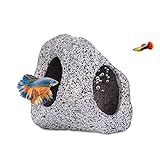
Natural stone aquarium caves — crafted from real slate, shale, or lava rock — provide the most authentic cave-like structure with real texture, weight, and pore structure for beneficial bacteria colonization. Slate is pH neutral and does not affect water chemistry, making it compatible with softwater and hardwater setups. You can purchase pre-built slate cave structures or stack flat pieces to create custom formations. These are especially popular in cichlid tanks, where territorial fish benefit from clearly defined stone cave territories.
2. Ceramic Aquarium Cave Decorations
Ceramic caves come in a wide variety of shapes and sizes specifically designed for fishkeeping. They are kiln-fired at high temperatures, making them completely inert, pH stable, and safe for even the most sensitive fish and invertebrates. Popular ceramic cave shapes include curved tubes for plecos, flat-topped spawning caves for rams and discus, and textured rock-look caves for general community tanks. Many pleco keepers prefer ceramic breeding caves because they closely mimic natural hollow log conditions.
3. Resin Themed Cave Decorations
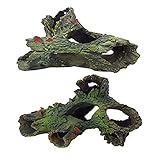
Resin cave decorations combine hiding functionality with decorative flair. They come in designs ranging from natural-looking rock formations and hollow logs to themed structures like sunken ruins, skulls, and fantasy castles. Fish-safe resin is non-toxic and does not alter water chemistry, and many resin caves include multiple entry points so fish do not feel trapped. They are particularly popular in community tanks and betta setups where visual variety is desired alongside functional shelter.
Buying Guide: Choosing the Right Aquarium Cave
- Fish size: The cave opening must be large enough for your fish to enter and exit comfortably, but not so large that it provides no sense of security. Measure your fish before selecting cave dimensions.
- Species needs: Plecos need long tube-shaped caves; cichlids prefer flat-topped or rock-overhang styles; bettas like small, partially enclosed shelters they can dart in and out of easily.
- Material safety: Stick to ceramic, natural stone, or fish-safe resin. Avoid painted decorations where paint may flake, and skip any material that fizzes when tested with vinegar (indicates calcium carbonate).
- Multiple caves: In community tanks with more than one territorial fish, provide at least one cave per fish to reduce aggression over prime shelter spots.
- Placement: Place caves in corners and along the back wall to create natural-feeling retreats. Leave open swimming lanes in the center of the tank.
Why Hiding Spots Matter for Fish
Caves and other hiding places are far more than decoration; they are essential for the psychological well-being of many fish. In nature, fish constantly seek shelter from predators, and even in a safe aquarium that instinct remains. Without places to retreat, fish can become chronically stressed, which weakens their immune systems and dulls their colors. Providing caves gives timid species a sense of security, and paradoxically, fish that feel safe enough to hide tend to spend more time out in the open. Many species, including plecos, loaches, certain catfish, and cichlids, depend on caves for resting and breeding.
Caves also play a vital role in managing aggression. Territorial fish like cichlids use caves to establish and defend their own space, and providing multiple hiding spots breaks up lines of sight so a dominant fish cannot constantly harass others. This spreading out of territories dramatically reduces fighting and injury in a busy tank, making the difference between a peaceful community and a stressful one.
Choosing and Placing Cave Decorations
When selecting cave decorations, safety and material matter. Choose ornaments made for aquarium use, with smooth surfaces and no sharp edges that could injure fish or tear fins. Make sure any openings are large enough that fish cannot become trapped, and that the cave is stable so it will not collapse on burrowing or digging inhabitants.
- Use aquarium-safe materials: Ceramic, resin, and certain rocks made for aquariums will not leach harmful substances.
- Provide several caves: Multiple hiding spots reduce aggression and give every fish a refuge.
- Ensure stability: Anchor stacked rock caves so digging fish cannot cause a collapse.
Combining Caves With Planting
Caves work even better when paired with plants and other natural cover, creating layered hiding spots that suit a wide range of fish. Broad-leaved plants, dense bushy growth, and floating plants that dim the light from above all add to the sense of security that caves provide. This combination is especially valuable for nocturnal or shy species, which appreciate shade during the day and dark retreats at night. Arranging caves among planted areas also looks more natural than ornaments standing alone on bare substrate. By blending hard structure with soft planting, you give fish varied refuges while creating an attractive, biotope-style layout that feels like a slice of a real habitat.
Frequently Asked Questions
Do fish really need hiding places?
Yes, most fish feel more secure with caves and shelters available, which reduces stress and supports their immune health. Fish that have refuges available actually tend to be bolder and spend more time in view.
How many caves should I provide?
Provide enough that every fish, and especially every territorial individual, can claim a spot, which usually means several caves spread around the tank. Multiple hiding places also break up sight lines and reduce aggression.
Are cave decorations safe for all fish?
They are as long as you choose aquarium-safe materials with smooth surfaces and no openings small enough to trap a fish. Avoid sharp edges that can damage fins and ensure stacked caves are stable.
Will adding caves stop my fish from fighting?
Caves and hiding spots significantly reduce aggression by giving fish defined territories and refuges, though they cannot eliminate conflict entirely. Combining caves with appropriate stocking and tank size is the best approach.
Can I use rocks from outside as caves?
Only if they are aquarium-safe, properly cleaned, and free of metals or minerals that could alter your water. Using rocks and ornaments sold for aquariums is the safest, most reliable option.
Final Thoughts
Aquarium cave decorations are essential for the behavioral health and stress reduction of many popular fish species. Whether you choose natural slate formations, inert ceramic spawning caves, or decorative resin hideouts, providing adequate shelter is one of the most important welfare decisions a fishkeeper can make. Match the cave to your fish species and tank size for the best results.
Related Reviews & Guides

Best Display Rack For Multiple Fish Tanks: Top Ultimate
Best Aquarium Light With Timer Built In: Smart Top Picks