Last Updated: October 9, 2026
- Top Pick: hygger Small Aquarium Betta Heater, Submersible Fish Tank Heater 10W/25W/50W/100W with LED Digital Display, Suitable for Marine Saltwater and Freshwater up to 5/10/16/26 Gallon
- Best Value: Novique 50W Aquarium Heater Adjustable Temperature Submersible Fish Tank Heater Water Thermostat with Thermometer for Freshwater and Saltwater Tanks
- Premium Choice: hygger Mini Fish Tank Submersible Heater 20W for 1-5 Gallons Desktop Betta Aquarium Heater with Digital Display Controller Adjustable Temperature
🛒 Best Price Today on Amazon
Prime members get fast, free shipping on everything above, plus member-only deals. New members get a 30-day free trial — cancel anytime.
Fish Tank Heater for Betta: Keep Your Fish Warm and Healthy
Betta fish are tropical fish native to Southeast Asia’s warm, shallow waters. They need stable water temperatures between 76–82°F to stay healthy, active, and colorful. Without a heater, room temperature water (often 65–70°F in most homes) causes cold stress, suppressed immune function, and a shortened lifespan. A reliable betta tank heater is one of the most important purchases you’ll make. Here are the top-rated options for tanks from 2.5 to 20 gallons.
As an Amazon Associate we earn from qualifying purchases at no extra cost to you.


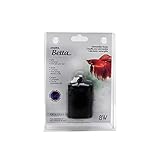
1. Aqueon Pro Adjustable Heater
The Aqueon Pro is fully submersible with an adjustable temperature dial ranging from 68–88°F. Its auto shut-off feature activates if removed from water, preventing burnout—a common failure mode in cheaper heaters. The indicator light turns red when heating and green when the target temperature is reached, so you can verify it’s working at a glance. Available in 50W (best for 5–15 gallon tanks) and 100W sizes, it’s praised for accuracy and durability in countless hobbyist reviews.
2. Hygger Titanium Aquarium Heater
Hygger’s titanium-bodied heater is a step up in precision and safety. Unlike glass heaters that shatter if dropped, titanium is unbreakable. The external digital controller allows you to set temperature precisely without reaching into the tank. At 50W, it’s ideal for 5–15 gallon betta tanks. The dual temperature sensor monitors both set and actual temperatures simultaneously, and the auto-shutoff triggers if water temperature deviates more than 9°F from setpoint—protecting your betta from temperature runaway.
3. Cobalt Aquatics Neo-Therm Heater
The Cobalt Neo-Therm is ultra-slim, flat-profiled, and virtually unbreakable with its polycarbonate housing. It holds temperature within ±0.5°F—exceptional accuracy for a heater at this price point. The single-touch button cycles through temperature settings, and the bright LED display shows current vs. set temperature at a glance. Available from 25W to 200W, the 25W or 50W sizes work perfectly for betta tanks up to 10 gallons.
Betta Heater Buying Guide
- Wattage rule: Use 3–5 watts per gallon; a 10-gallon tank needs a 30–50W heater.
- Preset vs. adjustable: Avoid preset heaters that lock at 78°F; adjustable heaters give you flexibility.
- Placement: Position near the filter outlet for even heat distribution throughout the tank.
- Thermometer: Always use a separate digital or analog thermometer to verify the heater is holding the correct temperature.
- Guard: Bettas sometimes rest on heaters; a heater guard prevents burns on delicate fins.
- Redundancy: For valuable bettas, consider two heaters at half the wattage each; if one fails, the other maintains temperature.
Choosing the Right Heater Size for a Betta Tank
Bettas are tropical fish that need stable, warm water, ideally between 78 and 80F, so a thermostatically controlled heater is essential rather than optional. Room-temperature water that drifts cooler weakens a betta’s immune system, suppresses its activity, and shortens its life. A reliable adjustable heater holds a steady temperature and switches off automatically once the target is reached, avoiding the dangerous swings that stress these fish.
Heater wattage should match tank volume, with a common guideline of about three to five watts per gallon. A small betta tank of three to five gallons typically needs a heater in the 25- to 50-watt range, while larger setups need proportionally more power. In a cold room, choose toward the higher end of that range so the heater is not constantly struggling. For very small nano tanks, look for a heater specifically rated for low volumes, since an oversized heater in a tiny tank can overshoot the target temperature and overheat the water. Pairing a correctly sized heater with a thermostat ensures the unit cycles on and off comfortably rather than running continuously, which extends its working life and keeps the temperature rock-steady.
Safe Heater Placement and Monitoring
Where and how you install a heater affects both safety and performance. Place the heater near the filter outflow or another area of good water movement so that warmed water circulates evenly instead of forming hot and cold zones. Submersible heaters can be mounted horizontally low in the tank for the most even heating. Always let a newly placed heater sit unplugged for fifteen minutes so the glass adjusts to the water temperature before powering it on, which helps prevent cracking.
Never rely on a heater’s built-in dial alone. Add an independent thermometer so you can verify the actual water temperature, and check it regularly, since a stuck heater is a real hazard that can cook a tank or let it go cold. Many experienced keepers prefer shatter-resistant or titanium heaters, especially for tanks where a betta might bump the unit. If you notice the temperature creeping up or down, unplug the heater immediately and investigate; catching a malfunction early can save your fish. A small, gentle, well-placed heater paired with a thermometer keeps a betta comfortable and healthy year-round. During seasonal temperature swings, check the thermometer more frequently, since a heater that kept the tank stable in summer may need a small adjustment as the room cools in winter.
Frequently Asked Questions
Do betta fish really need a heater?
Yes. Bettas are tropical fish that need stable water around 78 to 80F. Unheated tanks that drift cooler weaken their immune system and shorten their lifespan, so a thermostatic heater is essential.
What size heater does a betta tank need?
A common rule is about three to five watts per gallon, so a typical three- to five-gallon betta tank needs a 25- to 50-watt heater. Choose toward the higher end if the room runs cold.
What temperature should a betta tank be?
Aim for a steady 78 to 80F. Consistency matters as much as the number itself, since sudden temperature swings stress bettas and make them prone to illness.
Can a heater be too powerful for a betta tank?
Yes. An oversized heater in a small tank can overshoot the target temperature and overheat the water. For nano tanks, choose a heater specifically rated for the low volume.
Should I use a thermometer with my heater?
Absolutely. A separate thermometer lets you verify the actual water temperature rather than trusting the heater’s dial alone. Checking it regularly helps you catch a malfunctioning heater before it harms your fish.
Final Thoughts
Your betta’s health depends on stable, warm water. Any of the heaters above will serve your fish well, but pay special attention to accuracy ratings and safety features. Always verify your heater’s performance with a quality thermometer during the first few days after installation, and replace heaters that can’t hold a steady temperature before they harm your fish.
Related Reviews & Guides



Best Aquarium Silicone Sealant Fish Safe: Top Compared Guide
Best Dosing Pump for Beginners: Top Expert Buying Guide