Last Updated: October 4, 2026
- Understanding the Importance of Filtration in a 20-Gallon Tank
- Types of Filters Best Suited for a 20-Gallon Aquarium
- Top Aquarium Filter 20 Gallon Recommendations
- Essential Features to Look For When Shopping
- How to Set Up and Maintain Your 20-Gallon Filter
- Common Filtration Mistakes to Avoid
- Frequently Asked Questions
- Wrap Up
- Related Articles
- Related Guides
Setting up a 20-gallon fish tank is one of the most exciting milestones for both beginner and experienced aquarium hobbyists. It is widely considered the perfect “sweet spot” size: large enough to build a diverse, thriving community of colorful fish and live plants, yet compact enough to fit comfortably in a variety of living spaces. However, maintaining clean, crystal-clear water in a medium-sized setup requires the right support systems. Selecting a reliable aquarium filter 20 gallon system is the single most important decision you will make to protect your aquatic ecosystem.
Without adequate filtration, waste products from your fish, leftover food, and decaying plant matter will quickly accumulate. This leads to spikes in harmful toxins like ammonia and nitrite, which can be fatal to your fish. In a 20-gallon environment, changes in water chemistry can happen rapidly, making high-quality biological, mechanical, and chemical filtration absolutely essential. This comprehensive guide will walk you through everything you need to know to select, set up, and maintain the perfect filter for your 20-gallon aquarium.
As an Amazon Associate we earn from qualifying purchases at no extra cost to you.

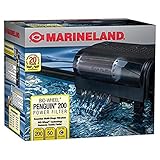

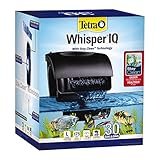


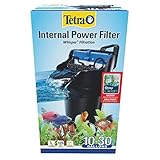

🛒 Best Price Today on Amazon
Prime members get fast, free shipping on everything above, plus member-only deals. New members get a 30-day free trial — cancel anytime.
Understanding the Importance of Filtration in a 20-Gallon Tank
A 20-gallon aquarium has a relatively small volume of water compared to massive showcase tanks. This means that any chemical imbalance can escalate quickly, leaving you with very little margin for error. While a tiny sponge filter might suffice for a micro-tank, a 20-gallon setup requires a robust system capable of processing water efficiently without creating a disruptive current. To keep your water safe, you must understand how a filter processes waste through three distinct methods.
First is mechanical filtration, which physically traps floating debris, fish waste, and uneaten food. This keeps the water visually clear and prevents debris from settling into the substrate. Second is chemical filtration, which utilizes activated carbon or specialized resins to neutralize dissolved impurities, odors, discoloration, and heavy metals. Finally, and most importantly, is biological filtration. This process relies on beneficial bacteria colonizing your filter media to convert highly toxic ammonia into less harmful nitrates, maintaining the natural nitrogen cycle.
The efficiency of this three-stage process depends heavily on the filter’s flow rate, which is measured in Gallons Per Hour (GPH). As a general rule of thumb, an aquarium filter 20 gallon system should have a flow rate that is at least four to five times the volume of the tank. This means you should target a filter with a minimum rating of 80 to 100 GPH. If you plan to keep high-waste species, such as goldfish or heavily stocked livebearer communities, you may want to aim even higher, targeting a flow rate of 120 GPH or more.
Types of Filters Best Suited for a 20-Gallon Aquarium
When shopping for a 20-gallon filtration system, you will quickly find that several different styles of filters are available. Each type has its own set of advantages, drawbacks, and optimal use cases. Understanding these differences will help you match the filter to your specific aquascaping goals and livestock choices.
Hang-On-Back (HOB) Filters
Hang-On-Back filters are the most popular choice for 20-gallon aquariums, and for good reason. They are incredibly easy to install, hanging directly on the rear rim of the glass. They draw water up through an intake tube, pass it through various media chambers, and cascade it back into the tank via a spillway. HOB filters offer excellent accessibility, making routine maintenance quick and stress-free. Many modern HOB models also allow you to customize the filter media inside, rather than forcing you to rely on expensive proprietary cartridges.
Canister Filters
Once reserved exclusively for massive show tanks, canister filters designed for smaller tanks have become incredibly popular. These external units sit underneath your aquarium cabinet, connected to the tank by flexible hosing. Canister filters offer unmatched media capacity, allowing you to load them with massive amounts of biological ceramic rings, specialized chemical chemical pads, and coarse mechanical sponges. Because they are pressurized, they provide exceptional water clarity and can easily handle heavy biological loads. They also keep the inside of your tank looking clean and uncluttered.
Sponge and Internal Filters
Internal filters are placed entirely inside the aquarium, usually suctioned to one of the glass walls. They are compact and highly efficient for low-flow environments. Sponge filters, powered by an external air pump, are a specific type of internal filtration that relies entirely on a sponge block. These are perfect for delicate species, fry grow-out tanks, or shrimp breeding setups, as they provide gentle water movement and cannot accidentally suck up tiny tank inhabitants. However, they lack chemical filtration capabilities and can take up valuable real estate inside your aquascape.
Top Aquarium Filter 20 Gallon Recommendations
To help you narrow down your search, we have compared and analyzed several popular models. Depending on your budget, your aesthetic preferences, and the specific fish you plan to keep, one of these top-performing options will fit your needs perfectly.



As an Amazon Associate we earn from qualifying purchases. Product prices and availability are accurate as of the date/time indicated.
Hang-on-back filters remain the benchmark for convenience, and the top-tier HOB models focus heavily on media customization. A great HOB system should feature a large media chamber that lets you layer sponge pre-filters, high-grade carbon, and highly porous ceramic rings. Look for units that feature a maintenance indicator or an adjustable flow control knob. Reducing the flow is particularly useful during feeding times or if you are housing fish that prefer calmer waters, such as bettas or dwarf gouramis.




As an Amazon Associate we earn from qualifying purchases. Product prices and availability are accurate as of the date/time indicated.
If you are looking to create a high-tech planted tank or want to stock your 20-gallon aquarium to its maximum safe capacity, investing in a compact canister filter is a wise decision. Because canister filters operate outside the tank, they do not clutter your visual landscape. The massive volume of media space inside a canister means you will not have to clean it nearly as often as a hang-on-back filter. They are also exceptionally quiet, making them the preferred choice for aquariums located in bedrooms or quiet offices.



As an Amazon Associate we earn from qualifying purchases. Product prices and availability are accurate as of the date/time indicated.
For specialized setups, such as a dedicated breeding tank, a shrimp colony, or a hospital tank, internal sponge filtration is incredibly effective. Sponges act as massive mechanical and biological filters. Over time, they accumulate a layer of biofilm that serves as a highly nutritious foraging ground for dwarf shrimp and baby fish. While they do not offer the polished water clarity of a pressurized canister filter, their simplicity, reliability, and safety for delicate tank inhabitants make them indispensable tools for many aquarists.
Essential Features to Look For When Shopping
Finding the best aquarium filter 20 gallon unit requires evaluating several key features beyond just the brand name. Keeping these aspects in mind while shopping will ensure you choose a filter that makes your life easier and your fish healthier.
- Media Customization: Avoid filters that lock you into buying proprietary, single-use slide-in cartridges. These cartridges often force you to throw away your beneficial biological bacteria every time you replace the clogged mechanical pad. Instead, look for filters with open baskets that allow you to wash and reuse sponges while retaining your biological media indefinitely.
- Self-Priming Capabilities: Standard filters often require you to manually fill the siphon tube with water before turning them on. If you experience a power outage, a non-priming filter can run dry and burn out its motor. Self-priming filters place the pump motor directly inside the water, ensuring they restart automatically and safely after any power interruption.
- Flow Rate Adjustment: Not all fish enjoy strong currents. Species like guppies, neon tetras, and Bettas can quickly become exhausted if they are forced to constantly battle a high-velocity stream of water. A built-in flow adjuster allows you to dial down the water output without putting strain on the motor.
- Noise Levels: A buzzing filter can quickly ruin the relaxing ambiance of a home aquarium. Look for models designed with dampened motor housings, rubberized vibration pads, or submerged pumps, which help minimize operational noise.
How to Set Up and Maintain Your 20-Gallon Filter
Buying a top-tier filter is only half the battle; proper setup and consistent maintenance are what truly keep your tank pristine. When setting up a new filter, always rinse your mechanical and biological media thoroughly in clean, room-temperature dechlorinated water before putting it in the filter. This removes manufacturing dust and debris that could otherwise cloud your tank water upon startup.
To preserve your beneficial bacterial colonies during routine maintenance, you must follow one golden rule: never rinse your filter media in raw tap water. The chlorine and chloramines present in municipal tap water will immediately sterilize your biological media, destroying the bacteria and forcing your aquarium to cycle all over again. Instead, perform your routine water change, siphon some old tank water into a clean bucket, and gently squeeze or rinse your filter sponges in that bucket to remove accumulated sludge.
As a general maintenance schedule, plan to clean your hang-on-back filter every two to four weeks. If you are utilizing a canister filter, you can usually extend this interval to once every two to three months due to their larger holding capacity. Always keep an eye on your filter’s intake tube to ensure it remains free of dead plant leaves or floating debris, which can choke the water flow and put unwanted stress on the motor.
Common Filtration Mistakes to Avoid
Even experienced fish keepers occasionally fall into common pitfalls that can compromise their tank’s health. By being aware of these mistakes, you can prevent water quality issues before they start.
One of the most frequent errors is over-cleaning the filter. It can be tempting to scrub every component of your filter until it looks brand new. However, the brown “gunk” that builds up on your ceramic rings and sponge pads is actually the living biological colony that keeps your water safe. Clean your media only when the water flow visibly slows down, and only clean one section of your filter media at a time to prevent biological crashes.
Another common mistake is turning off your filter overnight. Some beginners do this to reduce noise while sleeping or because they believe the fish need a break from the current. Turning off your filter starves the beneficial bacteria of oxygen, causing them to die off within hours. This can lead to a massive ammonia spike the next morning. Your aquarium filter must run continuously, 24 hours a day, 7 days a week.
Frequently Asked Questions
Is a 20-gallon filter big enough for a 20-gallon tank?
Yes, provided the filter’s GPH (Gallons Per Hour) rating is appropriate. You should verify that the filter is rated for at least 80 to 100 GPH. If you plan on keeping high-waste fish like goldfish, or if you plan to heavily stock your tank, it is often wise to purchase a filter rated for a 30-gallon or 40-gallon tank to ensure adequate waste processing.
Can I use a canister filter on a 20-gallon tank?
Absolutely! In fact, canister filters are highly recommended for heavily planted tanks or community setups. They offer superior biological capacity and keep the display area clutter-free. Just ensure that the flow rate is adjustable, so you do not accidentally create a whirlpool that exhausts your fish.
How often should I change the filter cartridges?
If you are using a cartridge-based filter, you should avoid throwing away the cartridges on a strict monthly schedule. Doing so discards your beneficial bacteria. Instead, gently rinse the cartridge in a bucket of tank water during your regular water changes. Only replace the cartridge when the physical fabric begins to tear or break down completely.
Why is my 20-gallon filter making a rattling noise?
Rattling noises are usually caused by tiny particles of sand, gravel, or snails getting trapped inside the impeller chamber. To fix this, unplug the filter, remove the motor assembly, and clean the spinning magnetic impeller and its seating well with a soft brush. Vibrations against the tank glass can also cause noise; placing a small piece of foam between the filter body and the aquarium glass can solve this instantly.
Wrap Up
Choosing the right aquarium filter 20 gallon system is a cornerstone of long-term fish-keeping success. By matching your filter’s flow rate, media capacity, and design style to your specific aquatic plants and fish species, you ensure a healthy, self-sustaining environment. Remember to prioritize biological filtration, avoid over-cleaning your media, and run your system continuously. With a proper filtration setup in place, your 20-gallon aquarium will remain a clean, beautiful, and peaceful slice of nature in your home for years to come.
Related Reviews & Guides

Best Leak Detection Sensor for Fish Tanks: Expert Picks
11 Best Aquarium Thermometers for Accurate Readings