Last Updated: October 4, 2026
- Top Pick: HiTauing Aquarium Heater, Upgraded 300W/500W Fish Tank Heater with Intelligent Leaving Water Automatically Stop Heating and Advanced Temperature Control System, Suitable for Saltwater and Freshwater
- Best Value: hygger Small Aquarium Betta Heater, Submersible Fish Tank Heater 10W/25W/50W/100W with LED Digital Display, Suitable for Marine Saltwater and Freshwater up to 5/10/16/26 Gallon
- Premium Choice: HiTauing Aquarium Heater 25W/50W/100W/200W/300W, Adjustable Knob Fish Tank Heater with Digital Thermometer, Submersible Betta/Turtle Tank Heater for Freshwater and Saltwater Tanks
A reliable aquarium heater is the most overlooked piece of equipment in tropical fish-keeping — until it fails and you discover dead fish floating at the surface. This guide covers the best aquarium heater for 2026, comparing submersible vs hang-on, glass vs titanium, wattage selection, and the safety features that separate quality heaters from death traps.
As an Amazon Associate we earn from qualifying purchases at no extra cost to you.


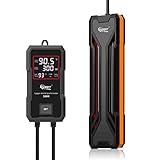

- Best Overall: Fluval E Series Electronic Heater
- Runner-Up: Cobalt Aquatics Neo-Therm Pro
- Best Budget: Eheim Jager TruTemp
🛒 Best Price Today on Amazon
Prime members get fast, free shipping on everything above, plus member-only deals. New members get a 30-day free trial — cancel anytime.
Why Heater Quality Matters More Than You Think
Aquarium heaters fail in three ways: stuck on (cooks fish), stuck off (chills fish), or shattering glass (electrocutes everything). Cheap heaters fail at significantly higher rates than premium models — sometimes within months of use. The price difference between disaster and reliability is $20-40 per heater. Skip the savings and buy quality.
Statistics from aquarium forums consistently show:
- ~25% of $10-20 cheap heaters fail within 18 months
- ~5% of $40-80 quality heaters fail within 5 years
- ~1% of premium $100+ titanium heaters fail in 10+ years
For tropical fish costing $20-200 each, the math heavily favors quality heaters.
How to Pick the Right Wattage
Underrated heaters never reach target temperature in winter. Oversized heaters cycle too aggressively and cook fish if the thermostat fails. The sweet spot is 3-5 watts per gallon, adjusted for room temperature and target tank temp.
| Tank Size | Wattage (Room 70°F+) | Wattage (Room Below 70°F) |
|---|---|---|
| 5 gallons | 25W | 50W |
| 10 gallons | 50W | 75W |
| 20 gallons | 100W | 150W |
| 29 gallons | 150W | 200W |
| 40-55 gallons | 200W | 300W |
| 75-90 gallons | 300W | 2 × 200W |
| 125+ gallons | 2 × 300W | 2 × 400W |
Two heater strategy: For tanks over 55 gallons, use two smaller heaters instead of one large unit. If one fails on (or off), the other prevents catastrophe. Two 200W heaters cost about the same as one 400W heater and provide redundancy.
Submersible vs Hang-on-Back (HOB)
Submersible Heaters (Recommended)
Fully submerged, can mount horizontally or vertically. Most accurate temperature regulation (sensor surrounded by water). Modern aquarium standard.
Pros:
- Better temperature accuracy
- More even heat distribution
- Can hide behind decor
- Available in all wattages
Cons:
- Glass models can crack from rapid temperature changes during water changes
- Must be unplugged before exposed to air (or it cracks)
Hang-on-Back Heaters
Older design, hangs partially out of water with the heating element submerged. Largely obsolete except for cheap startup kits.
Pros:
- Slightly easier to install and remove
- Cheap
Cons:
- Less accurate temperature
- Visible above water line
- Risk of falling into tank
- Discontinued by most quality brands
Inline Heaters
Mounted in the filter return line, completely hidden from the tank. Premium aquascaping choice.
Pros:
- Zero visual clutter inside tank
- Continuous water flow over heating element prevents hot spots
- Very even temperature
Cons:
- Expensive ($80-200)
- Requires canister filter or sump
- Complex installation
- Stops working if filter stops
Glass vs Titanium vs Quartz
Glass Heaters (Most Common)
Traditional sealed glass tube with heating element inside. 95% of aquarium heaters sold are glass. Affordable, generally reliable when from quality brands.
Pros: Inexpensive ($15-50), widely available, sufficient for most tanks.
Cons: Can crack if exposed to air while running, can shatter from impact, glass shards are dangerous to fish if it breaks.
Titanium Heaters
Heating element wrapped in titanium tube. Used in saltwater, large tanks, and high-end freshwater setups.
Pros: Cannot shatter, can run dry briefly without damage, longer lifespan (10+ years typical), saltwater-safe.
Cons: Expensive ($80-200), requires separate external controller for accurate temperature, can corrode in some water chemistries.
Quartz Heaters
Premium glass alternative — quartz is more thermally stable and impact-resistant than borosilicate glass. Less common than glass or titanium.
Pros: More durable than glass, transparent (some models), excellent thermal accuracy.
Cons: Limited brand selection, mid-tier pricing ($40-100).
Safety Features to Demand
Automatic Shut-off (Thermal Cutoff)
If the thermostat fails, the heater detects overheating and disconnects power. The single most important safety feature. Cheap heaters lack this; quality heaters have it built in.
Dry-Run Protection
If water level drops below the heater (forgotten during water change), the heater detects no water and shuts off instead of cracking. Standard on premium glass heaters, mandatory on titanium.
Shatter-Resistant Glass
Borosilicate glass (Pyrex-style) resists thermal shock better than standard glass. Premium heaters specify borosilicate. Cheap heaters use standard glass that cracks under temperature differentials.
External Controller Compatibility
Premium aquarists run heaters through external thermostats (Inkbird ITC-308 or similar) that override the heater’s built-in thermostat. The external controller measures water temperature and turns the heater on/off via outlet, providing redundant temperature control. If the heater’s internal thermostat fails on, the external controller cuts power.
LED Indicator
Visual indicator showing when heater is actively heating vs cycled off. Helps diagnose problems quickly. Standard on most modern heaters.
Top Picks for 2026
Best Overall: Fluval E Series Electronic Heater
The Fluval E series combines reliability, accuracy, and modern features. LCD display shows current temperature, color-changing LED indicates if temperature is on-target or off (turns blue if too cold, red if too hot). Built-in thermal cutoff. Available 100W, 200W, 300W. Slim profile fits well in modern tanks.
Best for: Most aquarists with 20-90 gallon tanks who want premium features without titanium prices.
Best Premium: Cobalt Aquatics Neo-Therm Pro
Shatter-proof, dry-run safe, and accurate to ±0.5°F. Slim 1-inch profile is the thinnest on the market — disappears behind decor. Comes in 50W to 300W. The Neo-Therm Pro version adds a remote display.
Best for: Aquascapers who want the heater hidden, premium tanks where space matters.
Best Titanium: Finnex TH-300S Plus Titanium Heater
Indestructible titanium tube, external controller included, accurate to ±0.5°F. The controller separately monitors water temperature and provides redundant safety. Recommended for any tank over 75 gallons or any saltwater setup.
Best for: Saltwater, large tanks, anyone who’s experienced a heater failure.
Best Budget: Eheim Jager TruTemp
The Eheim Jager has been the German engineering standard for 30+ years. Reliable, accurate, available in every common wattage. Glass construction (caveat: don’t run dry). 3-year warranty. Costs about half of the Fluval E series with 90% of the performance.
Best for: Aquarists who want proven quality at moderate price.
Best Inline: Hydor ETH Inline Heater
Mounts inline with canister filter return. Completely hidden from tank view. 200W or 300W versions for tanks up to 90 gallons. Excellent for aquascapers and reef tanks.
Best Nano Tank Heater: AquaTop Submersible Mini 25W
For 5-10 gallon nano tanks, full-size heaters are overkill. The AquaTop mini fits behind nano decor while providing accurate temperature control. Pre-set 78°F for most tropical species.
Installation and Maintenance
Mount Position
Install heater near filter intake or output for water flow over the element. Without flow, hot water rises and creates a hot spot near the heater while the rest of the tank stays cold. Most submersibles work better horizontally (full element submerged) than vertically.
Temperature Setting
Set heater to your target temperature, then verify with a separate thermometer placed at the opposite end of the tank. Heater built-in thermometers can read 2-4°F different from actual water temperature. Adjust the setting based on what your separate thermometer says.
Acclimation
When adding a heater to a tank, let it sit unplugged in the water for 30 minutes to equalize temperature before powering on. Cold glass + hot heating element = cracked tube.
Water Changes
Always unplug heaters during water changes if water level drops below the heater. Plug back in only after water is refilled to normal level. Wait 15 minutes after refilling before powering on.
Monthly Inspection
Check for cracks, calcium buildup on the heating element, and proper LED operation. Replace at first sign of crack or erratic operation. Don’t wait for total failure — schedule replacement at 3-5 years for glass heaters, 8-10 years for titanium.
Common Mistakes
Buying the Cheapest Heater
Cheap heaters cost the same fish you wanted to keep. Spend $40-80 once instead of replacing fish + heater every 18 months.
Single Heater for Large Tank
A single 300W heater for a 75-gallon tank is a single point of failure. Two 150W heaters provide redundancy. If one fails on, the other doesn’t have enough wattage to cook the tank. If one fails off, the other prevents temperature crash.
Trusting the Built-in Thermometer
Always use a separate thermometer (digital probe, sticker strip, or floating). Heater thermostats drift over time. A $5 separate thermometer can save a $200 fish collection.
Ignoring Room Temperature Swings
If your room varies 65°F (winter) to 78°F (summer), your heater works harder than people in stable-temperature homes. Size up wattage by 50% for variable rooms. Or run two smaller heaters that share the load.
Not Using an External Controller
An Inkbird ITC-308 ($35) connects between heater and outlet. Sets your target temp; turns heater on/off via outlet relay regardless of heater’s internal thermostat. This catches thermostat failure-on disasters.
Frequently Asked Questions
What temperature should my aquarium be?
Most tropical freshwater fish thrive at 76-80°F. Discus and angelfish prefer 82-85°F. Bettas need 78-82°F. Coldwater fish (goldfish) prefer 65-72°F (no heater needed). Marine reef tanks run 76-79°F. Check the species spec for your fish — temperature is critical for health and breeding.
How do I know if my heater is broken?
Signs of failure: temperature reading on separate thermometer differs significantly from setting, LED stays on continuously or never lights, visible glass cracks, water appears cloudy when heater runs (indicates heating element exposed), erratic temperature swings throughout the day.
Can I use a heater rated for higher wattage than I need?
You can but shouldn’t. Oversized heaters cycle aggressively — many on/off cycles per hour — which wears the thermostat faster and creates uneven heat. Match heater wattage to tank size with the 3-5 watts/gallon guideline.
How long do aquarium heaters typically last?
Quality glass heaters last 3-5 years with proper care. Titanium heaters last 8-15 years. Cheap heaters often fail within 12-24 months. Replace heaters at scheduled intervals even if they appear working — thermostats degrade silently.
Do I need a heater for goldfish?
Most goldfish species are coldwater and don’t need heaters. Fancy goldfish (Ranchu, Oranda) prefer stable 65-72°F. If your room consistently stays in this range, no heater needed. If your room drops below 60°F in winter, a low-wattage heater set to 68°F prevents stress.
Why are saltwater aquarium heaters more expensive?
Saltwater corrodes most metals including the metal alloys in standard glass heaters. Marine-rated heaters use titanium or specialized non-corrosive materials. The cost premium reflects more expensive components, not marketing markup.
Final Thoughts
The aquarium heater is the most overlooked yet most critical piece of equipment in tropical fish-keeping. A failed heater can wipe out a $500 fish collection overnight. Spend $40-80 on a quality glass heater from Fluval, Cobalt, or Eheim. For tanks over 75 gallons, use two heaters for redundancy. Add an external controller (Inkbird ITC-308) for any setup with expensive fish. Replace heaters proactively at 4-5 years for glass, 8-10 years for titanium. Quality heaters are insurance against catastrophic loss — the cheapest investment with the highest payoff in the hobby.
Ready to decide? Our #1 pick for 2026 is the 5 gallons.
Live price & availability on Amazon.
Related Reviews & Guides


Best Pond Liner for a 1000 Gallon Pond: Top Expert Picks
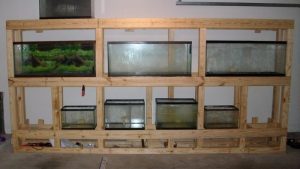
Best Multi Tier Steel Aquarium Rack For Fish Room: Compared