Last Updated: October 4, 2026
- Top Pick: ChaoLeHo Aquarium Rocks Seiryu Stones Natural Hardscape Stone for Aquariums, Fish Tanks, Bonsai, Terrariums, Wargaming Dioramas, Indoor or Outdoor Gardens-5lb(2-6 Inch)
- Best Value: YISZM Slate Rock for Aquarium, 5-7 Inch Polished Natural Stone Rocks,10 lbs
- Premium Choice: YISZM Slate Rock for Aquarium, 3-5 Inch Polished Natural Stone Rocks, 5 lbs
🛒 Best Price Today on Amazon
Prime members get fast, free shipping on everything above, plus member-only deals. New members get a 30-day free trial — cancel anytime.
Transform Your Tank With Aquarium Rocks and Stones
Aquarium rocks and stones are essential building blocks of a great aquascape. They create natural-looking landscapes, provide territory boundaries for cichlids, offer hiding spots for shy species, and can be used to anchor plants and mosses. Not all rocks are aquarium-safe — some can raise pH dangerously or leach harmful minerals — so choosing the right type matters. Here are the best options and a guide to help you choose wisely.
As an Amazon Associate we earn from qualifying purchases at no extra cost to you.


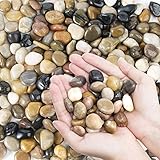


1. Dragon Stone (Ohko Stone)
Dragon stone is a lightweight, porous rock with dramatic texture and earthy tones that make it a favorite in Nature-style aquascapes. Its intricate surface is perfect for attaching mosses and ferns, and its irregular crevices create natural-looking cave structures. Dragon stone is relatively pH neutral and does not significantly alter water chemistry, making it compatible with a wide range of freshwater setups. It is available in small, medium, and large sizes.
2. Seiryu Stone
Seiryu stone features distinctive angular edges, blue-gray coloration, and white mineral veining that creates a striking visual in planted tanks. It is widely used in Iwagumi-style aquascapes — the minimalist rock-focused layout popularized by Takashi Amano. One consideration: Seiryu stone contains calcium carbonate and can gradually raise pH and hardness, which benefits African cichlids but may not suit softwater species. Test your water regularly if using Seiryu in a sensitive setup.
3. Lava Rock
Lava rock is a porous, lightweight volcanic rock that is extremely popular for both freshwater and saltwater aquariums. Its rough, cellular structure provides massive surface area for beneficial nitrifying bacteria, making it an excellent biological filter medium in addition to a decoration. Lava rock comes in red and black varieties and is pH neutral. It is especially useful in cichlid tanks, sumps, and refugiums where biological filtration is a priority.
Buying Guide: Selecting Safe Aquarium Rocks
- Safety test: Drop a few drops of vinegar on any rock before using it. If it fizzes, it contains calcium carbonate and will raise pH — avoid for softwater tanks.
- Weight: Dense rocks like slate add stability to aquascapes; lighter rocks like dragon stone are easier to reposition and stack.
- Size variety: Combine large focal pieces with medium and small accent stones for a more natural composition.
- Rinse before use: Always rinse rocks thoroughly under hot water to remove dust and debris before placing them in your tank.
- Water chemistry impact: Monitor pH and hardness weekly when introducing new rocks until you confirm stable parameters.
Choosing Safe, Aquarium-Friendly Rocks
Not every rock is safe for an aquarium, because some stones leach minerals that alter water chemistry. Inert rocks like dragon stone, lava rock, and most slate are aquarium-safe and will not significantly change pH or hardness. Calcareous rocks such as limestone, marble, and many seiryu-type stones contain carbonates that raise pH and hardness over time, which can be beneficial for African cichlids and hard-water fish but problematic for soft-water species and shrimp.
A simple way to test a stone is the vinegar test: place a few drops of household vinegar on the rock, and if it fizzes, it contains carbonates that will buffer your water harder and more alkaline. Always avoid rocks with metallic veins, rust-colored deposits, or sharp edges that could injure fish. If you collect stones from outside, clean them thoroughly and avoid any from areas exposed to fertilizers, pesticides, or pollution. When in doubt, aquarium-labeled stones from a trusted source remove the guesswork. It is also worth considering how a rock’s color and texture will complement your fish and plants, since a cohesive selection of stone creates a far more natural and pleasing aquascape.
Cleaning and Aquascaping With Stone
Before adding any rock to your tank, clean it well to remove dust and debris. Scrub it under running water with a stiff brush, and for porous stones like dragon stone, soak or boil them to release trapped air and dirt; never use soap or detergents, which leave harmful residues. A short soak helps waterlogged stones sink and settle rather than trapping bubbles that cloud the water.
When aquascaping, build stable, secure structures, since a toppling rock can crack the glass or crush fish. Place heavier stones directly on the glass bottom or on a protective mat rather than balancing them on substrate, and consider using aquarium-safe putty or bonding glue for taller arrangements. Rocks do more than decorate: they create caves and territories that reduce aggression, give shy fish hiding spots, and provide surfaces for beneficial bacteria and biofilm. Grouping stones of the same type in odd numbers and creating a sense of depth produces the most natural, visually pleasing layouts. Over time, rocks develop a natural patina of algae and biofilm that softens their appearance and helps them blend into a mature, established-looking aquascape.
Related Guides
- Canister vs HOB vs Sponge Filter: Which Aquarium Filter Should You Choose?
- Quick Picks: Best Aquarium Breeding Boxes and Fry Separators
- Fluval 207 Canister Filter Review 2026
Frequently Asked Questions
How do I know if a rock is safe for my aquarium?
Use the vinegar test: if a stone fizzes when you apply a few drops of vinegar, it contains carbonates that will raise pH and hardness. Inert rocks like dragon stone and lava rock are generally safe for most tanks.
Do I need to clean rocks before adding them?
Yes. Scrub rocks under running water and soak or boil porous stones to remove dust and trapped air, but never use soap or detergent. Cleaning prevents cloudy water and harmful residues.
Will rocks change my water parameters?
Calcareous rocks like limestone and seiryu stone raise pH and hardness, which suits hard-water fish but not soft-water species or shrimp. Inert rocks have little effect on water chemistry.
How do I stack aquarium rocks safely?
Build on a stable base, ideally directly on the glass or a protective mat rather than on shifting substrate. For tall arrangements, use aquarium-safe putty or bonding glue to prevent rockslides that could crack the tank.
Do rocks benefit fish beyond decoration?
Yes. Rocks create caves and territories that reduce aggression, offer hiding spots for shy fish, and provide surface area for beneficial bacteria. Many species feel more secure in a tank with natural cover.
Final Thoughts
Aquarium rocks and stones are among the most versatile and impactful decorations in the hobby. Whether you are building an Iwagumi layout with Seiryu stone or a naturalistic cichlid habitat with lava rock, the right choice enhances both aesthetics and fish health. Use the guide above to select rocks that complement your water parameters and aquascape vision.
Related Reviews & Guides


Air Stone vs Sponge Filter for Oxygen: A Clear Expert Guide

Titanium vs Glass Aquarium Heater Which Is Safer: Compared