Last Updated: October 4, 2026
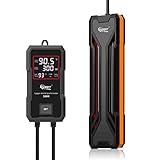
- Top Pick: HiTauing Aquarium Heater, Upgraded 300W/500W Fish Tank Heater with Intelligent Leaving Water Automatically Stop Heating and Advanced Temperature Control System, Suitable for Saltwater and Freshwater
- Best Value: hygger Small Aquarium Betta Heater, Submersible Fish Tank Heater 10W/25W/50W/100W with LED Digital Display, Suitable for Marine Saltwater and Freshwater up to 5/10/16/26 Gallon
- Premium Choice: Novique 50W Aquarium Heater Adjustable Temperature Submersible Fish Tank Heater Water Thermostat with Thermometer for Freshwater and Saltwater Tanks
🛒 Best Price Today on Amazon
Prime members get fast, free shipping on everything above, plus member-only deals. New members get a 30-day free trial — cancel anytime.
Introduction
A reliable aquarium heater is one of the most critical pieces of equipment in any tropical fish tank — temperature instability is a leading cause of fish stress, immune suppression, and disease outbreaks. With dozens of heater options ranging from basic submersibles to sophisticated inline and titanium models, choosing the right heater for your tank size and livestock is essential. This guide covers the key selection criteria and our top picks across different tank sizes and applications.
As an Amazon Associate we earn from qualifying purchases at no extra cost to you.



What to Look For
- Wattage rule: The standard guideline is 3–5 watts of heating power per gallon of tank water for typical room temperatures. In cooler environments or large tanks, err toward the higher end. Using two smaller heaters (each sized for the full tank) provides redundancy — if one fails stuck-on, the other prevents a dangerous temperature spike.
- Heater type: Submersible glass heaters are the most common and affordable; titanium heaters are unbreakable and ideal for aggressive fish that might damage glass; inline heaters connect to canister filter outflow tubing and keep the display tank completely equipment-free.
- Thermostat accuracy: Cheaper heaters often have thermostats accurate only to ±2–3°F, which is problematic for temperature-sensitive species. Invest in a heater with a verified accurate thermostat, and independently verify the temperature with a quality digital thermometer rather than relying solely on the heater's built-in dial.
Top Picks
Eheim Jager TruTemp Submersible Aquarium Heater
The Eheim Jager is consistently rated as the most accurate and reliable glass submersible heater available to hobbyists. Its laboratory-grade Schott glass construction, precise TruTemp thermostat (adjustable and recalibratable), and dry-run safety shut-off set it apart from cheaper alternatives. Available in wattages from 25W to 300W, it covers tanks from 5 to over 100 gallons and is trusted by professional aquarists and serious hobbyists worldwide.
Aqueon Pro Adjustable Aquarium Heater
The Aqueon Pro is an excellent budget-friendly alternative that delivers reliable performance in tanks up to 55 gallons. Its shatterproof housing is a significant advantage over glass heaters in tanks with larger, more active fish, and its auto-shutoff feature activates if accidentally left out of water. The LED indicator clearly shows whether the heater is in heating mode or holding temperature, making monitoring straightforward.
Inkbird IBS-TH2 Smart Aquarium Thermometer
No heater guide is complete without recommending an independent thermometer for verification. The Inkbird smart thermometer continuously monitors water temperature and sends smartphone alerts if the temperature exceeds your programmed thresholds — providing critical early warning of heater failure before your fish are harmed. Pairing this with your primary heater creates an automatic safety net that every tropical fish keeper should have.
Sizing Your Heater to Your Tank and Room
Choosing the right heater starts with matching wattage to tank volume and the temperature gap you need to bridge. A widely used guideline is about 3 to 5 watts per gallon, leaning higher when the room runs cool relative to the target temperature. For example, a 20-gallon tropical tank often needs 75 to 100 watts, while a 55-gallon tank usually calls for 150 to 200 watts. An undersized heater runs constantly and cannot recover on cold nights, whereas a correctly sized unit cycles on and off and holds a stable temperature comfortably.
For larger tanks, dividing the heating load between two smaller heaters at opposite ends improves even heat distribution and adds a built-in safety margin. If one heater sticks off, the other limits how far the temperature can fall, and if one sticks on, a single smaller unit is less likely to overheat the whole tank. Whatever wattage you choose, confirm the actual water temperature with an independent thermometer, since heater dials are frequently inaccurate by a degree or two.
Heater Types, Placement, and Safety
Aquarium heaters come in several forms suited to different setups. Submersible glass heaters are affordable and effective but can crack if exposed to air while hot. Titanium heaters are nearly unbreakable and often pair with an external controller for precise, reliable temperature regulation, making them popular for larger or high-value tanks. Inline heaters install in a canister filter’s return line, keeping equipment hidden, which is favored in aquascaped displays. Each type heats the same water, so the choice comes down to durability, aesthetics, and budget.
Placement and safe handling matter regardless of type. Position the heater in an area of good water flow, such as near a filter intake or outflow, so warmed water circulates instead of forming hot and cold pockets. Keep the unit fully submerged to its marked water line at all times, and switch it off and let it cool for several minutes before lowering the water level during a water change, since thermal shock can crack a hot glass heater. Because a failed heater can overheat or chill a tank, a separate temperature controller is a worthwhile safeguard, and checking the thermometer daily for the first week after installation catches any problems early.
Frequently Asked Questions
How do I choose the right heater wattage?
Use a guideline of about 3 to 5 watts per gallon, leaning higher when the room is cool relative to your target temperature. A 20-gallon tank often needs 75 to 100 watts, and a 55-gallon tank 150 to 200 watts.
Are two heaters better than one in a big tank?
Yes. Splitting the load between two smaller heaters at opposite ends improves even heating and adds safety, since one failing heater can only push the temperature so far on its own.
What type of aquarium heater is most reliable?
Titanium heaters paired with an external controller are among the most reliable and durable, especially for larger tanks. Glass submersibles are cheaper and effective but more fragile.
Where should I place the heater?
Place it in an area of good water flow, such as near the filter intake or outflow, so heat circulates evenly. Keep it fully submerged to its water line at all times.
Do I need a thermometer if the heater has a dial?
Yes. Heater dials are often off by a degree or two, so an independent thermometer is the only reliable way to confirm the true water temperature.
Final Thoughts
Temperature stability is as important as water chemistry for the health and longevity of tropical aquarium fish. Invest in a quality heater from a reputable brand, size it correctly for your tank volume, and always verify temperature independently with a digital thermometer. For tanks housing sensitive or valuable fish, using two heaters at half-wattage each provides the redundancy that ensures your fish are protected even if one unit fails.
Related Reviews & Guides


5 Best Aquarium Brands 2026: Fluval vs Aqueon vs Eheim vs Marineland
10 Best Aquarium Water Test Kits: Top Picks for 2026