Last Updated: October 4, 2026
- Top Pick: Ameliade Aquarium Artificial Plants & Rock Cave Betta Fish Tank Decor Set
- Best Value: Tetra LED Half Moon 1.1 Gallon Fish Tank Kit for Betta Fish
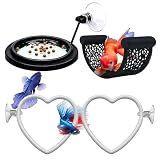
- Premium Choice: Beta Fish Toys,2 PCS Betta Fish Leaf Hammock,Betta Fish Tank Decorations Aquarium Decor for Sleeping Resting Hiding Playing Breeding
🛒 Best Price Today on Amazon
Prime members get fast, free shipping on everything above, plus member-only deals. New members get a 30-day free trial — cancel anytime.
Choosing the Right Betta Fish Tank
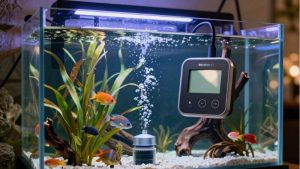
Betta fish are among the most popular freshwater fish in the hobby, and for good reason — they are vibrant, personable, and relatively easy to care for. However, bettas have specific needs that many beginners overlook. A proper betta fish tank provides adequate space, stable water conditions, and a gentle filtration system that won't stress your fish with strong currents. The minimum recommended tank size for a single betta is 5 gallons, though 10 gallons gives you much more room for stable water parameters and decoration.
As an Amazon Associate we earn from qualifying purchases at no extra cost to you.



Bettas breathe atmospheric air using a specialized organ called the labyrinth organ, so the tank must not be sealed airtight. They also prefer warmer water between 76–82°F, meaning a heater is essential in most homes. A lid is a must since bettas are notorious jumpers.
Fluval Spec V 5-Gallon Aquarium Kit
The Fluval Spec V is a sleek, all-in-one kit perfectly sized for a single betta. It includes a powerful yet adjustable three-stage filtration system and an energy-efficient LED light that supports low-light plants. The side-mounted filter compartment keeps equipment hidden, giving you a clean, modern look. The flow rate is adjustable, which is important since bettas dislike strong currents. This tank is a top choice for anyone who wants a stylish setup right out of the box.
Marineland Contour 5 Glass Aquarium Kit
The Marineland Contour 5 offers a curved-front glass design that provides a panoramic view of your betta. It comes with a hinged lid, a low-profile LED light with both daylight and moonlight settings, and a hidden back-panel filtration system. The filter output is gentle enough for bettas, and the rounded corners make it easy to clean. This is a great mid-range option that balances aesthetics with functionality.
Tetra ColorFusion Aquarium 3-Gallon Kit
For those with limited space or budget, the Tetra ColorFusion kit is a compact starter option. While 3 gallons is on the small side, it can work for a minimalist betta setup if you stay on top of water changes. It comes with an LED light that cycles through colors (you can set it to white for normal viewing), a quiet internal filter, and a lid. It's a decent beginner kit, though upgrading to 5+ gallons when possible is always recommended.
What to Look For in a Betta Fish Tank
- Minimum 5 gallons: Larger tanks have more stable water parameters and give your betta room to swim.
- Adjustable or gentle filtration: Strong currents stress bettas; look for flow control or a baffle option.
- Secure lid: Bettas jump. A lid with small ventilation gaps is ideal.
- Heater compatibility: Make sure the tank can fit a small submersible heater.
- Good lighting: LED lights are energy-efficient and support plant growth.
- Easy access for maintenance: Wide openings make water changes and feeding simpler.
Cycling and Maintaining Your Betta Tank
Before a betta ever enters its new home, the tank needs to complete the nitrogen cycle. This biological process establishes colonies of beneficial bacteria that convert toxic ammonia from fish waste into nitrite, and then into far less harmful nitrate. A fishless cycle typically takes four to six weeks, and rushing it is the most common cause of early betta loss. Once cycled, aim to keep ammonia and nitrite at zero and nitrate below 20 ppm through regular partial water changes of around 25 percent each week. Always treat tap water with a conditioner to neutralize chlorine and chloramine before it touches the tank.
Bettas are tropical fish and need stable warmth to stay healthy. A thermostatically controlled heater holding the water at 76 to 82 degrees Fahrenheit (24 to 28 degrees Celsius) is essential, since cold water weakens their immune system and dulls their color. Pair the heater with a reliable thermometer so you can spot temperature swings early. Keep the filter flow gentle, as bettas have long, flowing fins that tire easily in strong currents, and add live or silk plants near the surface where your fish can rest.
Decorating Safely for a Betta
The decor you choose has a direct impact on your betta’s comfort and fin health. Bettas explore every corner of their tank, so anything with sharp edges or rough surfaces can tear their delicate fins, leaving them prone to infection. Run a nylon stocking over any new ornament: if it snags, the surface is too rough. Prioritize smooth driftwood, rounded stones, ceramic caves, and soft silk or live plants over stiff plastic foliage.
- Resting spots: Broad-leaved plants like anubias and a floating leaf hammock give your betta a place to lounge near the surface where it gulps air.
- Hiding caves: A cave or two reduces stress and gives shy bettas a sense of security.
- Surface access: Never fill the tank completely; bettas are labyrinth breathers and must reach the surface to breathe atmospheric air.
Common Betta Care Mistakes to Avoid
Many betta problems trace back to a few avoidable mistakes. Housing a betta in an unheated bowl is the most common, leaving the fish chronically cold, sluggish, and vulnerable to disease. Overfeeding is another frequent error, since a betta’s stomach is tiny and uneaten food quickly fouls a small tank. Adding a male betta to a tank with another male, or with fin-nipping tank mates like tiger barbs, almost guarantees stress and torn fins. Finally, skipping the nitrogen cycle before introducing your fish exposes it to ammonia. Avoid these pitfalls and your betta will reward you with vivid color, active behavior, and a long, healthy life.
Frequently Asked Questions
What is the minimum tank size for a betta fish?
A single betta should have at least a 5-gallon tank, and 10 gallons is even better. Larger volumes hold more stable water parameters and temperature, which keeps your betta healthier than the tiny bowls bettas are often sold in.
Do betta fish need a heater and filter?
Yes to both. Bettas are tropical and need water held steadily between 76 and 82 degrees Fahrenheit, which usually requires a heater. A gentle filter keeps the water clean and cycled, but the flow should be soft so it does not stress their flowing fins.
Can betta fish live with other fish?
Male bettas are territorial and should never be housed with another male betta. In a larger tank they can sometimes share space with calm, non-nippy tank mates like corydoras catfish or snails, but always watch closely and have a backup plan if aggression appears.
How often should I clean a betta tank?
In a properly cycled and filtered tank, a weekly partial water change of about 25 percent is usually enough. Avoid full tank cleanouts, which destroy beneficial bacteria and can crash your water quality.
Why is my betta not active?
Lethargy is most often caused by water that is too cold or by poor water quality. Check that the temperature is in range and test for ammonia and nitrite. Bettas also naturally rest a lot, so occasional stillness on a leaf is normal.
Final Thoughts
Investing in the right betta fish tank from the start sets you up for a healthy, thriving fish and an enjoyable hobby experience. Prioritize tank size, gentle filtration, and a secure lid over flashy features. Any of the three options above will give your betta a comfortable home — just add a heater, some silk or live plants for enrichment, and a quality betta food, and you're well on your way to being a confident betta keeper.
Related Reviews & Guides

Best Licensed Aquarium Ornaments SpongeBob: Proven Top Picks
Best Quiet Auto Top Off System: Low-Noise Smart Reef Picks