Last Updated: October 4, 2026
- Top Pick: Tetra Goldfish Flakes Fish Food, 7.06 oz
- Best Value: Aqueon Goldfish Granules, Goldfish Food, 5.8 Ounces
- Premium Choice: Tetra Goldfish Flakes Fish Food, 2.2 oz
🛒 Best Price Today on Amazon
Prime members get fast, free shipping on everything above, plus member-only deals. New members get a 30-day free trial — cancel anytime.
Feeding Goldfish the Right Way
Goldfish are omnivores with a hearty appetite, and choosing the right food is crucial for their health and longevity. Unlike tropical fish, goldfish are cold-water species with slower digestive systems. They lack a true stomach, meaning food passes through them quickly and incompletely digested food can foul the water. Goldfish are particularly prone to bloating and constipation, so a low-fat, plant-enriched diet with easy digestibility is a priority.
As an Amazon Associate we earn from qualifying purchases at no extra cost to you.

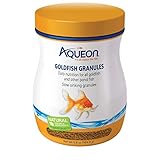


Goldfish food comes in pellets, flakes, and gel foods. Pellets are generally preferred over flakes because they absorb less water before consumption and are easier to portion accurately. Gel foods are an excellent option for fancy goldfish varieties prone to buoyancy issues. Avoid high-protein foods designed for tropical carnivores — goldfish do best with foods containing more carbohydrates and plant matter.
Hikari Lionhead Sinking Pellets
Hikari Lionhead pellets are specially formulated for fancy goldfish varieties like orandas, ryukins, and moors. These sinking pellets contain wheat germ, spirulina, and other plant-based ingredients that are gentle on the digestive system. The sinking format prevents fancy goldfish from gulping air at the surface, which contributes to swim bladder issues. Hikari uses a proprietary process to make each pellet highly digestible, and the results show — fish on this diet have excellent form, vibrant color, and healthy growth.
Omega One Goldfish Pellets
Omega One Goldfish Pellets use whole salmon and other marine proteins alongside plant ingredients, resulting in a nutritionally balanced diet that enhances color and supports immune health. These medium-sized pellets are appropriate for standard and fancy goldfish alike. The formula is low in starch and ash, meaning less waste in the water — a big plus for goldfish keepers who already deal with high bioloads. Available in floating and sinking versions.
Repashy Super Gold Goldfish Gel Food
Repashy Super Gold is a powdered food that you mix with boiling water to create a firm gel. This gel food closely mimics the natural texture and moisture content of fresh foods, making it highly palatable and digestible. It is particularly recommended for fancy goldfish with chronic buoyancy problems, as the gel format prevents air ingestion during feeding. Mix a batch, refrigerate, and slice off portions as needed. It keeps for about a week in the fridge.
What to Look For in Goldfish Food
- Plant-based ingredients: Spirulina, wheat germ, and vegetable matter support digestive health.
- Sinking vs. floating: Sinking pellets reduce air ingestion in fancy varieties; floating is fine for common/comet goldfish.
- Low fat content: Goldfish do not need high-fat diets; excess fat leads to fatty liver disease.
- Digestibility: Look for foods specifically designed for goldfish, not generic tropical fish food.
- Supplement with vegetables: Blanched peas, spinach, and zucchini are excellent additions to any goldfish diet.
- Feed small amounts 2–3 times daily: Only give what goldfish can consume in 2 minutes to prevent water fouling.
Feeding Schedule and Portion Sizes for Goldfish
Goldfish are notorious for begging constantly, but overfeeding is one of the most common causes of poor water quality and digestive trouble in goldfish tanks. As a general guideline, feed only as much as your goldfish can finish in about two minutes, once or twice a day, and remove any uneaten food afterward. Young, growing fish benefit from slightly more frequent small meals, while adults do well on a steady once or twice daily routine. Because goldfish lack a true stomach and digest continuously, small regular portions suit them far better than one large feeding.
Sinking pellets are often preferable to floating flakes for goldfish, especially fancy varieties, because gulping food at the surface causes them to swallow air, which can contribute to buoyancy and swim bladder issues. Soaking dry pellets for a few seconds before feeding can further reduce trapped air. Vary the diet with occasional blanched vegetables like deshelled peas, zucchini, or spinach, which add fiber and help digestion. A fasting day once a week is a common practice that gives the digestive system a rest and helps prevent constipation.
Reading Goldfish Food Ingredients and Nutrition
When choosing a goldfish food, look at the first few ingredients on the label, since they make up the bulk of the formula. Goldfish are omnivores that lean toward a plant-rich diet, so quality formulas balance digestible proteins with vegetable matter and fiber. Wheat germ–based foods are popular for cooler months and for fancy goldfish because they are easy to digest. Foods overloaded with cheap fillers and excessive plant starch offer less nutrition and can cloud the water.
Color-enhancing formulas containing natural carotenoids like spirulina and astaxanthin can deepen orange, red, and yellow tones over time, though genetics ultimately set a fish’s potential. Avoid feeding a single food type exclusively; rotating between a staple pellet, occasional vegetables, and the odd protein treat such as bloodworms or brine shrimp provides a more complete nutritional profile. Store dry food in a cool, dry, sealed container and replace it every few months, as vitamins degrade once a package is opened and exposed to air and humidity.
Related Guides
- Best Aquarium Powerheads: Top Picks for Water Circulation and Flow
- Quick Picks: Aquarium Air Stone Bubble Diffuser
- Best Aquarium pH Test Kit: Accurate Water Testing
- Fish Food Storage Airtight
Frequently Asked Questions
How often should I feed my goldfish?
Once or twice a day is plenty for most goldfish. Offer only what they can eat in about two minutes and remove leftovers to keep the water clean.
Why are sinking pellets better than flakes for goldfish?
Sinking pellets reduce the amount of air goldfish gulp at the surface, which helps prevent buoyancy and swim bladder problems. This is especially helpful for round-bodied fancy goldfish.
Can goldfish eat vegetables?
Yes. Goldfish are omnivores and benefit from blanched, deshelled peas, zucchini, and spinach, which add fiber and aid digestion. Vegetables make an excellent supplement to a staple pellet diet.
Should I fast my goldfish?
A single fasting day each week is a common and gentle practice that lets the digestive system rest and helps prevent constipation. Healthy goldfish easily tolerate skipping a day of food.
Do color-enhancing foods really work?
Foods with natural carotenoids like spirulina and astaxanthin can intensify a goldfish’s existing colors over time. They cannot change a fish’s genetic color potential, but they help it reach its full vibrancy.
Final Thoughts
Goldfish are hardy but they thrive when fed a species-appropriate diet. Hikari Lionhead pellets and Omega One Goldfish Pellets are both outstanding daily staples, while Repashy Super Gold is a game-changer for fancy goldfish prone to swim bladder issues. Combine quality food with regular water changes and appropriate tank size, and your goldfish will reward you with decades of color and personality.
Related Reviews & Guides
Best Aquarium Stand With Power Outlet: Ultimate Trusted
Best 3 Tier Fish Tank Stand: Compared Best Picks for 2026