Last Updated: October 4, 2026
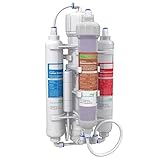
- Top Pick: Aquatic Life RO Buddie 4-Stage Aquarium Water Filter System, Reverse Osmosis RO/DI Filtration Unit for Fish Tank, Fountains, and More, 50 GPD (Gallons Per Day)
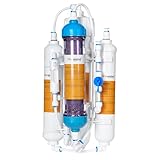
- Best Value: iSpring RCC1DP Tankless RO/DI System – 5-Stage, 150 GPD with Pump
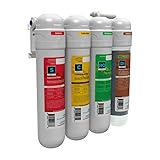
- Premium Choice: Aquatic Life RO Buddie 3-Stage Aquarium Water Filter System, Reverse Osmosis RO Filtration Unit for Fish Tank, Fountains, and More, 50 GPD (Gallons Per Day)
Tap water is full of things you cannot see: chlorine, chloramine, nitrates, phosphates, copper, and a long list of dissolved minerals measured as total dissolved solids (TDS). For sensitive setups like reef tanks, planted aquascapes, and shrimp colonies, those impurities fuel algae, throw off parameters, and stress livestock. A reverse osmosis and deionization (RO/DI) system strips it all out, giving you near-zero TDS water you can remineralize exactly how you want. Below are five reliable RO/DI systems across different output levels, with what each does best and how to choose.
As an Amazon Associate we earn from qualifying purchases at no extra cost to you.




🛒 Best Price Today on Amazon
Prime members get fast, free shipping on everything above, plus member-only deals. New members get a 30-day free trial — cancel anytime.
Top Picks Reviewed
1. LiquaGen 5-Stage RO/DI System (75 GPD)
A pre-assembled five-stage reverse osmosis and deionization unit that brings tap water down toward 0 TDS for reef, planted, and shrimp tanks. The 75 GPD membrane suits most home aquariums, and all filters are included so you can start right away. Check it on Amazon
2. AquaFX Barracuda RO/DI Filter (100 GPD)
A reef-focused 100 GPD system with a sediment filter, chlorine-blocking carbon block, color-indicating DI resin, and a pressure gauge on a rust-free metal bracket. It is a popular choice among residential reef enthusiasts who want pure top-off and makeup water. Check it on Amazon
3. Premier 5-Stage RO/DI System (150 GPD)
A higher-output 150 GPD five-stage system made in the USA for keepers who change a lot of water. It removes chlorine and fine impurities and ships pre-assembled with filters included, making it a strong pick for larger tanks. Check it on Amazon
4. Oceanic Heavy Duty RODI XL (75 GPD)
A heavy-duty portable RO/DI unit with larger 2.5 by 12 inch pre-filters than typical compact systems, which means longer cartridge life between changes. The 75 GPD output covers most aquariums while staying easy to store. Check it on Amazon
5. Aquatic Life RO Buddie 4-Stage RO/DI (50 GPD)
A compact, space-saving four-stage unit with sediment, carbon block, RO membrane, and deionizing resin stages. The 50 GPD output is ideal for nano and mid-size tanks or anyone short on space who still wants 0 TDS water. Check it on Amazon
How an RO/DI System Works
Water passes through several stages, each removing a different class of contaminant. A sediment filter catches sand and silt, a carbon block removes chlorine and chloramine that would otherwise destroy the RO membrane, and the RO membrane rejects up to 98 percent of dissolved solids. The final DI (deionization) resin stage polishes the water down to 0 TDS, which is what makes RO/DI superior to plain RO for reef and shrimp tanks.
- GPD rating: Gallons per day describes output speed. A 50 to 75 GPD unit suits most home tanks; choose 100 to 150 GPD only if you change large volumes frequently.
- Stage count: More stages generally mean longer membrane life and purer water, though they also cost more.
- Replaceable cartridges: Standard-size filters are cheaper and easier to source, so check what the system uses before buying.
How to Choose the Right System
Match the GPD output to how much water you actually use. A nano reef or shrimp tank is fine with a 50 GPD RO Buddie, while a large reef that needs many gallons of makeup water each week benefits from a 100 to 150 GPD unit. Also consider your incoming water pressure: most RO membranes need around 40 to 60 PSI to perform well, and low-pressure homes may need a booster pump. Finally, plan for replacement cartridges, since the DI resin and carbon block are consumables you will replace over time.
Remember that RO/DI water is pure but also empty of minerals, so it should be remineralized before going into most tanks. Pair your system with a TDS meter to confirm output quality and a GH/KH kit to rebuild hardness. Our guide to raising and lowering pH explains why mineral content matters once you start with pure water.
Maintaining Your RO/DI System
The single most important habit is monitoring TDS at the outlet. When the reading begins to climb above 0, your DI resin is exhausted and needs replacing. Sediment and carbon filters typically last six months to a year depending on your water and usage, while the RO membrane can last two years or more if the pre-filters are kept fresh. Always replace the carbon block on schedule, because chlorine breakthrough is the fastest way to ruin an RO membrane.
Frequently Asked Questions
Do I really need RO/DI water for my aquarium?
For reef tanks, sensitive shrimp, and high-tech planted tanks, yes; pure water prevents algae, copper toxicity, and parameter drift. Hardy freshwater community fish can often do fine on dechlorinated tap water, so it depends on your livestock.
What is the difference between RO and RO/DI?
RO alone removes most dissolved solids but leaves a small amount behind. Adding a DI (deionization) resin stage polishes the water to 0 TDS, which is essential for reef and shrimp keeping where purity matters most.
What GPD rating should I get?
Match output to your usage. A 50 to 75 GPD unit handles most home aquariums, while 100 to 150 GPD makes sense only if you produce large volumes of water each week. Higher GPD fills containers faster but is not inherently purer.
Do I need to add minerals back to RO/DI water?
Usually yes. RO/DI water has almost no minerals, so it lacks the GH and KH most fish, plants, and shrimp need. Remineralize it with a suitable salt mix or GH/KH booster before use.
How often do I replace the filters?
Sediment and carbon filters generally last six months to a year, the RO membrane two years or more, and DI resin until your TDS reading rises above 0. Monitoring TDS is the best way to know exactly when each stage is spent.
RO/DI is only one part of clean, stable water. Learn why pure water still needs minerals in our pH guide, confirm your tap-versus-RO needs with the best aquarium water test kits, and understand dechlorination in our water conditioner explainer. Pure water makes water changes safer, and shrimp keepers will want our cherry shrimp care guide too.
Related Reviews & Guides

Common Mistakes When Buying an Aquarium Chiller: Top Guide
Best Quiet Pond Aerator: Top Smart Shortlist for Beginners