Last Updated: October 4, 2026
🛒 Best Price Today on Amazon
Prime members get fast, free shipping on everything above, plus member-only deals. New members get a 30-day free trial — cancel anytime.
Why a Regular Water Change Schedule Is the Foundation of Fish Health
Water changes are the single most important maintenance task in fishkeeping. No filtration system completely eliminates dissolved organic compounds, nitrates, and other waste products — only diluting tank water with fresh, conditioned water keeps these levels safe. A consistent aquarium water change schedule prevents the slow buildup of toxins that causes chronic stress, disease, and premature death in fish. This guide covers recommended schedules, the best tools to use, and how to make water changes easier and more effective.
As an Amazon Associate we earn from qualifying purchases at no extra cost to you.

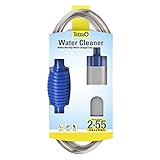

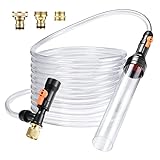


1. Python No Spill Clean and Fill Aquarium Maintenance System
The Python No Spill Clean and Fill system is the most popular water change tool among dedicated fishkeepers. It connects directly to a household faucet and uses water pressure to siphon water out of the tank and vacuum the gravel simultaneously — no buckets required. After draining the desired amount, you reverse the flow to refill the tank directly from the faucet. The Python system dramatically reduces the time and physical effort of water changes, especially for large tanks, and is available in multiple lengths to reach tanks anywhere in the home.
2. Aquarium Gravel Vacuum Siphon Kit
A quality gravel vacuum siphon kit is an essential water change tool for every fishkeeper. The wide cylindrical head creates enough suction to lift detritus, uneaten food, and fish waste from between substrate particles while the flow rate is slow enough to prevent accidentally siphoning small fish or shrimp. Self-starting siphons with a squeeze bulb or auto-start mechanism are easier to use than older dip-start models. Pair your siphon with a bucket marked at common water change volumes for accurate and convenient water removal.
3. Seachem Prime Water Conditioner
Seachem Prime is the most highly regarded water conditioner for water changes. It dechlorinates tap water and detoxifies chloramine, ammonia, nitrite, and nitrate for 24-48 hours, buying critical time if water parameters are slightly elevated after a change. Prime is extremely concentrated — a standard 5mL dose treats 50 gallons — making it highly economical for regular use. Always treat fresh tap water with Prime before adding it to your tank during every water change.
Buying Guide: Building Your Water Change Routine
- Frequency: Most freshwater tanks benefit from 25-30% water changes weekly. Heavily stocked tanks or tanks with messy fish may need 2x weekly; lightly stocked planted tanks can sometimes go biweekly.
- Volume: Change 25-50% per session. Larger, less frequent changes are more disruptive than smaller, regular ones. Consistency is more important than volume.
- Temperature matching: Always match replacement water temperature to tank temperature within 2°F to avoid shocking fish. Use a thermometer to check both.
- Gravel vacuuming: Vacuum the substrate during water changes to remove waste buildup. Rotate which sections of the substrate you clean each week to avoid disturbing the entire biological bed at once.
- Condition first: Add water conditioner to the bucket or directly to the tank before or during the refill — never add untreated tap water directly to a tank with fish.
How Much and How Often to Change Water
For most freshwater community tanks, a weekly partial water change of around 10 to 25 percent strikes a good balance, keeping nitrate and dissolved organics in check without disrupting the tank’s stability. Heavily stocked tanks, tanks with large or messy fish, and breeding setups may need larger or more frequent changes, while lightly stocked, well-planted tanks can sometimes go a little longer. The right schedule is ultimately guided by your test results: if nitrate creeps up between changes, do them more often or in larger volumes.
Consistency is more important than chasing a perfect number. Small, regular changes keep parameters steady, whereas large, infrequent changes can shock fish by abruptly altering temperature and water chemistry. Always match the temperature of the replacement water to the tank, and never change so much at once that you destabilize the established environment your fish are accustomed to.
Doing Water Changes the Right Way
Technique makes water changes safer and easier. The cardinal rule is to always treat replacement tap water with a dechlorinator to neutralize chlorine and chloramine, which are toxic to fish and to the beneficial bacteria in your filter. A gravel vacuum lets you remove debris from the substrate while you drain water, accomplishing two maintenance tasks at once.
- Always dechlorinate: Treat new water for chlorine and chloramine before it enters the tank.
- Match the temperature: Replacement water should be close to the tank’s temperature to avoid shocking fish.
- Vacuum the substrate: Siphon a different section of gravel each time to remove trapped waste.
Tools That Make Water Changes Easier
The right tools turn water changes from a chore into a quick routine. A gravel vacuum siphon lets you drain water and clean the substrate at the same time, and longer hoses that run directly to a sink or drain eliminate hauling buckets for larger tanks. A dedicated bucket reserved only for aquarium use prevents contamination from household cleaners. Keeping your dechlorinator, a thermometer, and a clean refill container together means you can complete a change without hunting for supplies. For bigger tanks, a python-style water changer that connects to a faucet makes draining and refilling almost effortless, which means you are far more likely to keep up with a consistent schedule.
Frequently Asked Questions
How often should I change my aquarium water?
A weekly partial change of about 10 to 25 percent works for most community tanks. Heavily stocked or messy tanks may need more frequent or larger changes, so let your nitrate readings guide the exact schedule.
How much water should I change at once?
Changing 10 to 25 percent at a time is a safe, effective range for routine maintenance. Avoid very large changes unless you are correcting a problem, since abrupt shifts in chemistry and temperature can stress fish.
Do I need to add a water conditioner every time?
Yes, if you use tap water you must dechlorinate every water change to neutralize chlorine and chloramine. These chemicals are harmful to fish and can wipe out the beneficial bacteria in your filter.
Should I turn off equipment during a water change?
Turn off heaters and filters if the water level will drop below them, since running a heater in air or a filter without water can damage the equipment. Switch them back on once the tank is refilled.
Why is my water cloudy after a change?
Mild cloudiness is often disturbed substrate or a brief bacterial bloom and usually clears on its own. Persistent cloudiness can signal overfeeding or an immature cycle, so test your water if it does not settle.
Final Thoughts
A disciplined aquarium water change schedule is the simplest and most effective thing you can do for your fish. Weekly partial water changes paired with a quality gravel vacuum and water conditioner maintain stable, healthy water parameters that disease and poor water quality simply cannot take hold in. Build the habit, and your fish will reward you with vibrant health and behavior for years to come.
Related Reviews & Guides

Sponge Filter vs Hang on Back Filter: Compared by Numbers
Best Aquarium Stand With Power Outlet: Ultimate Trusted