Last Updated: October 9, 2026
🛒 Best Price Today on Amazon
Prime members get fast, free shipping on everything above, plus member-only deals. New members get a 30-day free trial — cancel anytime.
Why Your Aquarium Thermometer Matters More Than You Think
Stable water temperature is one of the most critical factors in fishkeeping. Even small temperature swings can stress fish, suppress immune systems, and trigger disease outbreaks. An accurate aquarium thermometer lets you monitor temperature daily so you can catch heater failures or seasonal shifts before they become emergencies. Whether you keep tropical freshwater fish, bettas, or saltwater reef tanks, here are the best thermometer options and how to choose the right one.
As an Amazon Associate we earn from qualifying purchases at no extra cost to you.
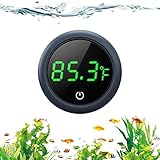


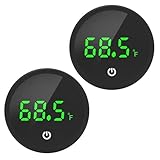


1. Digital LCD Aquarium Thermometer
Digital aquarium thermometers use a submersible probe connected to an external LCD display panel. They provide precise readings to one decimal place and often include high/low temperature alarms that alert you to dangerous fluctuations. The digital display is easy to read at a glance, and the external unit keeps the tank glass uncluttered. Battery-powered models are the most common and require minimal maintenance. They are the go-to choice for serious fishkeepers who want accuracy and convenience.
2. Glass Stick Aquarium Thermometer
Glass stick thermometers are the classic, budget-friendly solution for aquarium temperature monitoring. They use a traditional alcohol or spirit column and suction-cup mount to the inside of the glass. While not as precise as digital models, quality glass thermometers are reliable, require no batteries, and can last for years with careful handling. They are a solid choice for fishkeepers who want a simple, cost-effective monitoring solution without electronics.
3. External Stick-On Aquarium Thermometer
External stick-on thermometers adhere to the outside of the aquarium glass using a temperature-sensitive liquid crystal strip. They provide a general temperature readout without any in-tank hardware. While less accurate than submersible options (affected by room temperature and glass thickness), they are completely non-intrusive and work well as a quick visual check. They are popular for small tanks, quarantine setups, and as secondary monitors alongside a primary digital thermometer.
Buying Guide: Choosing the Right Aquarium Thermometer
- Accuracy: Digital thermometers offer the highest accuracy (±0.1°C); glass and stick-on types are less precise but sufficient for general monitoring.
- Alarm feature: If you run expensive or delicate fish species, choose a digital model with audio or visual alarms for out-of-range temperatures.
- Placement: Position submersible probes near the water flow from your filter to get a representative reading of overall tank temperature.
- Calibration: Test a new thermometer against a calibrated reference before trusting it. Some budget models ship with a ±2°C variance.
- Multiple tanks: If you run several tanks, a handheld infrared thermometer can quickly spot-check multiple setups without a dedicated unit in each.
Why Accurate Temperature Matters
Temperature governs the metabolism, immune function, and comfort of every fish in your tank, which makes an accurate thermometer one of the most important pieces of monitoring gear you own. Tropical community fish generally thrive between 75 and 80 degrees Fahrenheit, but the exact ideal depends on the species, and even a reliable heater can malfunction. A trustworthy thermometer lets you confirm the heater is doing its job and catch dangerous swings before they stress or sicken your fish. Sudden temperature changes are a common trigger for diseases like ich.
Several thermometer styles are available, each with trade-offs. Digital thermometers with a submersible probe tend to be the most precise and easy to read at a glance. Traditional glass thermometers filled with liquid are inexpensive and accurate but can be harder to read and may break. Stick-on LCD strips that adhere to the outside glass are convenient but generally less precise because they are influenced by room temperature. Many aquarists keep two thermometers so they can cross-check readings.
Placement and Reliable Readings
Where you place a thermometer affects what it tells you. Position it away from the heater so it reads the general tank temperature rather than the warm water right at the heating element. A spot toward the opposite end of the tank, in an area of decent flow, gives the most representative reading.
- Keep it away from the heater: Place the thermometer at the far end of the tank for an accurate average reading.
- Check it daily: A quick glance each day helps you catch a failing heater before it harms fish.
- Cross-check accuracy: Comparing two thermometers, or verifying against a known reference, confirms your readings are trustworthy.
Calibrating and Trusting Your Readings
A thermometer is only useful if you can trust it, so it is worth confirming its accuracy. You can sanity-check a thermometer against a second one, or against a reliable reference, and a digital model that reads consistently with another gives you confidence. If two thermometers disagree noticeably, one is likely off, and it is worth identifying which before relying on it. Replace the battery in a digital unit promptly when readings become erratic, and reposition a stick-on strip that may be reading room temperature instead of the water. A small amount of cross-checking ensures the temperature you see is the temperature your fish actually experience.
Frequently Asked Questions
What temperature should my aquarium be?
Most tropical community fish thrive between 75 and 80 degrees Fahrenheit, though the ideal varies by species. The key is keeping the temperature stable, since sudden swings stress fish more than a steady value slightly off the textbook number.
Which type of aquarium thermometer is most accurate?
Digital thermometers with a submersible probe are generally the most precise and easiest to read. Glass thermometers are also accurate and inexpensive, while stick-on strips are convenient but less reliable.
Where should I place the thermometer in the tank?
Place it away from the heater, ideally toward the opposite end of the tank in an area with good water flow. This gives a reading that reflects the overall tank temperature rather than the warm water at the heating element.
How often should I check the water temperature?
A quick daily glance is good practice, as it helps you catch a stuck or failed heater before it harms your fish. Temperature problems can develop quickly, so regular checks are worthwhile.
Do I need a thermometer if I have a heater with a thermostat?
Yes. Heater thermostats can drift or fail, so an independent thermometer is your safeguard to confirm the actual water temperature. Relying on the heater’s dial alone risks missing a malfunction.
Final Thoughts
Never underestimate the value of a good aquarium thermometer. Temperature instability is a leading but preventable cause of fish disease and death. Invest in a reliable digital model with temperature alarms for your primary display tank, and use stick-on types for quarantine or grow-out tanks. Monitoring temperature daily takes seconds and can save your fish’s life.
Related Reviews & Guides

Best Aquarium Rack for a 125 Gallon Tank: Top Top Picks

4 Best Aquarium Chillers for Summer