Last Updated: October 9, 2026
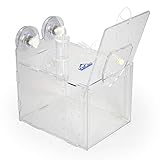
- Top Pick: IOAOI Drip Acclimation Container for Fish & Corals – Hanging Acclimation Box for Saltwater & Freshwater Aquariums, Large
- Best Value: DORMIYA Acrylic Crab Fish Trap – Mini Freshwater Catcher Box for Aquarium Crawfish, One-Way Door, Transparent for Easy Observation, Ideal for Protecting Small Fish and Shrimp, 5.1 x 2.4 x 2.4 Inches
- Premium Choice: IceCap Fish Trap (250 Large)
TL;DR
Bottom line: A fish trap paired with a proper acclimation cup is the low-stress way to catch problem fish and introduce new arrivals without tearing down your aquascape. The Capetsma fish trap catches most species within 24 hours using bait, while a dedicated acclimation box clipped to the tank wall handles drip or float acclimation cleanly. Both tools belong in any serious hobbyist’s cabinet.
As an Amazon Associate we earn from qualifying purchases at no extra cost to you.



Fish Trap & Acclimation Cup: Best Tools for Catching and Introducing Fish (2026)
Two tasks that new fishkeepers dread more than almost anything else: catching a specific fish out of a fully aquascaped tank, and drip-acclimating a new arrival without turning it into a 45-minute ordeal involving buckets, airline tubing, and a clamp that keeps slipping. A dedicated fish trap and a proper acclimation cup make both of these tasks straightforward.
This guide covers how passive fish traps work, which designs catch which species most reliably, how to use an acclimation box correctly, and why the old float-the-bag method misses the most important part of acclimation. Whether you are trying to remove a mildly aggressive damsel from a community reef or introducing a new clownfish pair without an ammonia spike, these tools earn their shelf space.
🛒 Best Price Today on Amazon
Prime members get fast, free shipping on everything above, plus member-only deals. New members get a 30-day free trial — cancel anytime.
Start 30-Day Prime Free Trial →See Today’s Amazon DealsTop 3 fish trap and acclimation products


As an Amazon Associate we earn from qualifying purchases. Product prices and availability are accurate as of the date/time indicated.



As an Amazon Associate we earn from qualifying purchases. Product prices and availability are accurate as of the date/time indicated.


As an Amazon Associate we earn from qualifying purchases. Product prices and availability are accurate as of the date/time indicated.
Fish trap types: feature comparison
| Type | Best for | Catch time | Works on shy species? | Aquascape disruption |
|---|---|---|---|---|
| Passive bait trap (tube) | Damsels, chromis, small wrasses | 1–24 hrs | Moderate | None |
| Trigger trap (box) | Larger fish, tangs, angels | 2–48 hrs | Good | None |
| Mesh net trap | Emergency catch | Minutes (active) | Poor | High |
| Acclimation box (clip-on) | New arrivals, QT bypass | N/A (acclimation) | N/A | None |
How to use a passive fish trap effectively
Passive traps work by exploiting a fish’s natural feeding behavior — the fish enters a tube or chamber to reach bait and cannot find its way back out. The design relies on fish swimming forward toward food and not reversing through a constricted opening. Most species fall for this without any prior conditioning; reef fish that associate a particular corner of the tank with feeding are especially easy to trap.
Setup matters more than bait choice. Place the trap in the same spot where you normally feed the target fish. Leave it unbaited and unset for one to two days so the fish becomes comfortable entering and exiting freely. Then load it with high-value bait — frozen mysis, a small piece of silverside, or the specific food your target fish goes crazy for — and set the trigger or close the entry. Skip the pre-conditioning step and you will often wait much longer for a trap-wary fish.
For fish that ignore bait traps entirely (some wrasses and anthias fall into this category), try pulling back on tank feeding for 24 hours before setting the trap. Hunger dramatically improves catch rates for reluctant species.
Acclimation cup vs float bag: why it matters
The traditional float-the-bag method only equalizes temperature. It does nothing to match water chemistry — pH, salinity, and dissolved oxygen all remain at shipping bag levels while the fish sits in waste-saturated water. The longer the fish was bagged, the higher the ammonia concentration in that water (ammonia is excreted continuously; it converts to toxic ammonium in the acidic bag water and then re-converts to toxic free ammonia as pH rises when the bag opens).
A clip-on acclimation box hung on the inside of your tank allows you to slowly add tank water to the shipping water over 30–60 minutes while the fish stays in your system’s temperature. The gradual dilution shifts pH, salinity, and chemistry at a rate the fish can handle. The box also protects the new arrival from established fish during the introduction period — tankmates can see and smell the new fish through the mesh without physically harassing it, which reduces territorial aggression at the moment of full release.
For small and sensitive species — new shrimp, small gobies, and anything that shipped overnight in a small bag — drip acclimation through the box is the gold standard. Run an airline from your tank over the rim, tie a loose knot in it to reduce flow to two to three drips per second, and let it run for 45–60 minutes before releasing the fish.
Quarantine vs acclimation box: the difference
An acclimation box is not a quarantine tank. It equalizes water parameters over a short period but does not treat or screen for disease. A proper quarantine involves a separate system with cycled water, run for two to four weeks minimum, where you can observe the fish and treat prophylactically if needed. The acclimation box handles the chemistry transition; quarantine handles disease management. Both steps are valuable and serve different purposes.
If you are not running a dedicated quarantine tank, the acclimation box at least lets you observe the new fish for 30–60 minutes before full release — enough time to notice obvious symptoms like rapid breathing, loss of equilibrium, or active lesions that might indicate a serious problem. See our fish quarantine tank setup guide for building a proper QT system.
For breeding and fry separation, the clip-on box format also doubles as a breeding isolation chamber — see our fish breeding box guide for that application. And if you are setting up a new tank that needs livestock soon, our nitrogen cycle beginner guide covers cycling before your first fish goes in.
FAQ
How long should fish trap acclimation take?
Standard acclimation in a clip-on box takes 30–60 minutes for most hardy fish. For sensitive species (mandarins, seahorses, pipefish, new shrimp) extend to 60–90 minutes and use a slow drip rather than adding water by the spoonful. The goal is to dilute the shipping water gradually — a target ratio of roughly 3:1 tank water to shipping water before release is a common benchmark. Never rush acclimation; the fish is already stressed from shipping.
What is the best bait for a fish trap in a reef tank?
Match the bait to what the target fish already eats in your tank. Frozen mysis works for most reef fish. A small piece of raw silverside or prawn works for larger predatory fish. Flake food or pellet scattered inside the trap chamber works for omnivores. The key is using the specific food the target fish responds most strongly to during regular feeding — novelty bait that the fish has never seen often gets ignored while familiar food triggers the feeding response immediately.
Can I use a fish trap to catch a clownfish?
Yes, but clownfish are among the more difficult species because they rarely stray far from their host anemone or coral and tend to be suspicious of new objects. Place the trap near the host and leave it unset for several days until the clownfish is entering and exiting freely. A trigger trap baited with frozen mysis near the host at feeding time typically catches a clownfish within a few hours once it is conditioned to the trap’s presence.
Is drip acclimation necessary for saltwater fish?
For most healthy, hardy saltwater fish arriving in well-oxygenated bags after a short transit, drip acclimation is beneficial but not always critical if you use a float-plus-water-addition method carefully. Where drip acclimation becomes important: sensitive species (seahorses, mandarins, dragonets), fish in bags more than 24 hours old, any invertebrate (shrimp and corals are far more sensitive to salinity and pH swings than fish), and any fish showing stress signs on arrival.
How do I acclimate fish without a drip acclimation kit?
A small container (a clean pitcher or plastic cup), a turkey baster, and patience are the minimum requirements. Float the container in your tank to match temperature. Every five minutes, add a small amount of tank water — roughly 10–15% of the container’s current volume. After 30–45 minutes the shipping water is diluted to near-tank chemistry and you can net the fish into the display. The clip-on acclimation box simplifies this process by containing the fish in your own tank water from the start, but the manual method works if done consistently.
Frequently Asked Questions
When should I use a trap instead of a net?
Whenever chasing would wreck the scape or stress the whole tank, which is most of the time in a planted or reef setup. Traps work well for a single target fish, for fast species that easily outrun a net, and for timid fish that refuse to leave cover.
How do I get a fish into the trap?
Fast the tank for a day, place the trap where the fish already patrols, and leave it open and unattended for a couple of days so the fish learns to swim through without fear. Then bait it and trigger it once your target is inside. Patience beats force every time.
What is an acclimation cup for?
It holds a new fish in display water so it adjusts to temperature and chemistry while staying visible and protected from established tankmates. It is also handy for isolating an aggressor for a day or two, or for timing a drip acclimation without floating a bag in the tank.
Should I drip acclimate or just float the bag?
Freshwater fish from similar parameters usually need only temperature matching plus a slow addition of tank water over twenty to thirty minutes. Saltwater fish, shrimp and anything coming from very different salinity or pH should be drip acclimated at two to four drips per second for one to two hours.
Should I add the shipping water to my tank?
Never. Bag water carries ammonia, waste and potential pathogens, and its pH has fallen in transit so ammonia turns toxic the moment it meets air. Net the fish out of the acclimation container and discard the water. Better still, quarantine every new arrival for two to four weeks.
Ready to decide? Our #1 pick for 2026 is the Passive bait trap (tube).
Live price & availability on Amazon.
Related Reviews & Guides

Best Filter for Goldfish Tank: Top Picks by the Numbers
Best Aquarium Sump Setup For Large Tanks: Top Compared Guide