Last Updated: October 21, 2026
- Top Pick: Kirecoo 25.6" Stainless Steel Aquarium Algae Scraper with 10 Blades
- Best Value: SunGrow Aquarium Glass Cleaner, Long Handheld Tool Cuts Cleaning Time to Half, Keep Hands Dry, Sharp Blade to Scrape Thickest Residue, Frequent Tank Maintenance
- Premium Choice: Olaismln Fish Tank Scraper Cleaner for Glass Aquariums, 21" Handheld Scraper Cleaning Razor with 5 Stainless Steel Blades for Fish Reef Plant Glass Tank

TL;DR: The right aquarium glass cleaner — whether a long-handled scrubber, magnetic float, or razor blade tool — removes algae and hard mineral deposits without scratching glass or disturbing livestock. This guide covers which tools work for which growth types and how to use a razor safely on aquarium glass.
Aquarium Glass Cleaner Razor and Scrubber: Remove Algae and Mineral Deposits Without Scratches
Green spot algae, coralline, calcium carbonate rings, and hard water deposits share one trait: they laugh at sponges. A microfiber pad or basic algae scraper removes soft biofilm and diatoms with ease but stalls completely against calcified coralline or silica-bonded spot algae that has been allowed to cure on glass for weeks. That is the moment hobbyists reach for a razor blade — and either restore crystal-clear panels in 60 seconds or discover, mid-stroke, that their “glass” tank is actually acrylic. Knowing which cleaning tool matches the problem, and how to use a razor on genuine glass safely, saves time, prevents scratches, and keeps the viewing experience the reason you set up the tank in the first place.
As an Amazon Associate we earn from qualifying purchases at no extra cost to you.


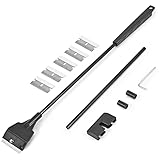
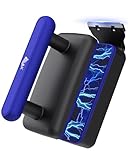


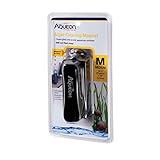
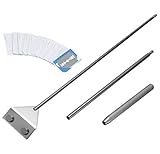
🛒 Best Price Today on Amazon
Prime members get fast, free shipping on everything above, plus member-only deals. New members get a 30-day free trial — cancel anytime.
Start 30-Day Prime Free Trial →See Today’s Amazon DealsMatching the Tool to the Algae Type
Biofilm and diatoms are the weekly maintenance layer — a light film of brown or golden growth that a magnetic cleaner or soft sponge removes easily with minimal pressure. Green hair algae clinging to glass requires a coarser scrubbing pad or a blade, depending on attachment strength. Green spot algae (GSA) is a calcified green crust with strong adhesion; a standard algae pad barely marks it, but a razor or hard plastic scraper cuts through it cleanly. Coralline algae on glass is the most stubborn — only a razor blade or dedicated hard-scraper tool reliably removes it without scoring the glass surface.
The critical rule: never use a razor or metal scraper on acrylic. Even light pressure with a blade produces deep, permanent scratches. Acrylic tanks require plastic-blade scrapers only. If you are unsure whether your tank is glass or acrylic, tap a fingernail on the panel — glass sounds hard and dense; acrylic sounds slightly hollow and flexes faintly under pressure.
Top Glass Cleaning Tool Picks


As an Amazon Associate we earn from qualifying purchases. Product prices and availability are accurate as of the date/time indicated.



As an Amazon Associate we earn from qualifying purchases. Product prices and availability are accurate as of the date/time indicated.


As an Amazon Associate we earn from qualifying purchases. Product prices and availability are accurate as of the date/time indicated.
Aquarium Glass Cleaning Tools at a Glance
| Tool | Best Algae Type | Safe on Acrylic | Reach | Scratch Risk (glass) |
|---|---|---|---|---|
| Magnetic float cleaner | Biofilm, diatoms | Pad-dependent | Full panel (passive) | Low (if no sand trapped) |
| Long-handle soft pad | Biofilm, light GSA | Yes (soft pad) | Arm + handle length | Very low |
| Razor blade scraper | GSA, coralline, mineral scale | Never | Short (direct contact) | Very low on true glass |
| Plastic blade scraper | Moderate GSA | Yes | Short | None |
| Kent-style scraper pad (coarse) | GSA, moderate coralline | No | Handle length | Low–moderate |
How to Use a Razor Blade Safely on Aquarium Glass
Use a purpose-built aquarium razor holder rather than a bare blade — it keeps the blade at a consistent low angle (15–20 degrees) and gives you control. Before scraping, run a soft pad over the glass first to remove loose particles; grit between the blade and glass causes the scratches people blame on the razor itself. Hold the blade at a shallow angle and push in one direction only — do not saw back and forth. Short, overlapping strokes are safer than long sweeping passes that accumulate debris under the blade mid-stroke. Rinse the blade between passes.
Change blades frequently. A dull or nicked blade requires more pressure and drags debris, both of which increase scratch risk. Single-edge utility blades from hardware stores are significantly cheaper than aquarium-branded replacements and are identical in quality. Dispose of used blades in a sealed container — loose blades in waste bins cause injuries.
Removing Hard Water and Calcium Deposits at the Waterline
The evaporation line on glass — that white chalky ring at the water surface — is calcium carbonate and magnesium salt residue that a razor alone will not fully clear above the waterline on dry glass. For exterior mineral deposits, diluted white vinegar (1:1 with water) applied with a paper towel and allowed to dwell for 5 minutes softens the scale significantly before mechanical removal. Never use vinegar inside the tank or on any surface that drains into the water column — even small amounts dramatically drop pH in nano systems. For internal waterline deposits, a razor used at the water surface level while partially submerged removes most buildup; follow with a magnetic cleaner pass to collect loosened particles before they settle on the substrate. Pair your glass-cleaning routine with regular equipment checks — our GFCI power strip guide covers why water near electrical connections matters, and see the magnetic algae cleaner deep dive for daily maintenance between scraping sessions.
Related Guides
- Quick Picks: Aquarium Light Timer Controller Auto
- Aquarium Ammonia Alert
- Best Aquarium Water Conditioners and Dechlorinators
- Best Aquarium Backgrounds for a Stunning Display
- Quick Picks: Aquarium Sponge Block & Bio Media
Frequently Asked Questions
Will a razor blade scratch aquarium glass?
On genuine tempered or plate glass, a razor blade used correctly at a low angle with minimal trapped debris will not scratch the glass surface. Scratches attributed to razor blades are almost always caused by sand or substrate particles caught between the blade and glass during use. Pre-cleaning with a soft pad and rinsing the blade between strokes eliminates this risk in practice.
How do I remove green spot algae from aquarium glass without a razor?
A stiff plastic scraper or hard abrasive pad (like the coarse side of a dedicated aquarium scrubber) can remove light-to-moderate GSA with significant elbow pressure. For heavy buildup, there is no effective substitute for a blade on glass. Preventing recurrence by maintaining phosphate below 0.05 ppm and ensuring adequate flow across the glass panels is more practical than finding a no-blade alternative.
What is the best aquarium glass cleaner for a tall tank I cannot reach the bottom of?
Long-handled scrapers with extendable poles reach the bottom pane of tanks over 24 inches deep. Magnetic cleaners that float passively also clean the bottom if they drift there, but controlled scrubbing requires the long handle. For very deep tanks (36+ inches), purpose-built scraper handles that extend to 36 inches are available and eliminate the wet-arm problem entirely.
Can I use a regular window scraper on an aquarium?
Hardware store razor scrapers work mechanically but are not ergonomically designed for underwater use — handles are typically short, non-waterproof, and lack the angle control of purpose-built aquarium tools. More importantly, some window scrapers have rubber or plastic components treated with chemicals not rated for aquatic environments. Use aquarium-specific tools or verify that any hardware tool is made entirely from stainless steel and untreated plastic before submerging it.
How often should I clean aquarium glass?
Soft biofilm and diatoms warrant weekly cleaning for most tanks. Green spot algae is easier to remove when caught early — weekly light passes prevent the calcification that makes GSA a scraper problem. Coralline algae grows slowly; monthly scraping of the front panel is typically sufficient. Front panels deserve the most attention for aesthetics; side and back panels can be left for less frequent cleaning or left partially with coralline as a natural backdrop in reef setups.
What Size Pond Aerator Do You Need for a Pond: Sizing Help

Aquarium Maintenance Schedule: Tasks by Week, Month and Year